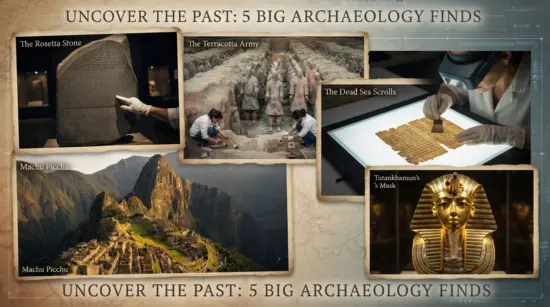
Unveiling the Secrets of the Past: 6 Ancient Discoveries That Changed History
Ancient discoveries have long fascinated humans, providing a glimpse into the lives and cultures of our ancestors. From the mysterious pyramids of Egypt to the lost city of Pompeii, these findings have not only shed light on the past but also helped shape our understanding of the world today. In this article, we will delve into six ancient discoveries that have had a profound impact on our knowledge of history and the world around us.
The Discovery of King Tut’s Tomb
In 1922, British archaeologist Howard Carter made the discovery of a lifetime when he stumbled upon the tomb of Pharaoh Tutankhamun, commonly known as King Tut. The tomb, which was found almost entirely intact, provided a unique insight into the funerary practices of ancient Egypt and sparked a global fascination with the boy king. The discovery of King Tut’s tomb is considered one of the most significant archaeological finds of the 20th century, and its impact can still be felt today.
The tomb was found in the Valley of the Kings, a vast burial ground for pharaohs and other high-ranking officials in ancient Egypt. Carter’s discovery was the result of years of searching, and it is estimated that he excavated over 100 tombs before finally finding the one he was looking for. The tomb itself was found to be remarkably well-preserved, with thousands of artifacts and treasures still intact, including the golden mask that covered King Tut’s face.
The Uncovering of Pompeii and Herculaneum
In 79 AD, the Roman cities of Pompeii and Herculaneum were buried under a thick layer of volcanic ash and pumice when Mount Vesuvius erupted. The cities remained hidden for over 1,700 years, until their rediscovery in the 18th century. The excavation of Pompeii and Herculaneum has provided a unique snapshot of life in ancient Rome, with many of the city’s buildings, artifacts, and even the bodies of its inhabitants preserved in remarkable detail.
The discovery of Pompeii and Herculaneum has been invaluable to historians and archaeologists, providing a glimpse into the daily lives of ancient Romans. The cities’ preservation has allowed researchers to study the architecture, art, and culture of the time, as well as the diets, lifestyles, and even the diseases that affected the people who lived there. The excavation of the cities is ongoing, with new discoveries still being made today.
The Deciphering of the Rosetta Stone
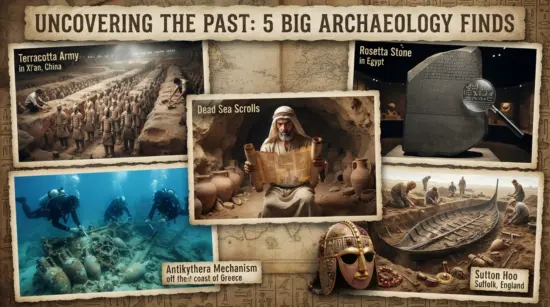
In 1799, French soldiers in Egypt stumbled upon a ancient stone slab inscribed with a decree issued by Egyptian pharaoh Ptolemy V. The stone, which became known as the Rosetta Stone, was a significant discovery because it featured the same text in three different languages: ancient Greek, demotic script, and hieroglyphics. The stone’s discovery allowed scholars to finally decipher the hieroglyphics of ancient Egypt, which had been a mystery for centuries.
The Rosetta Stone is considered one of the most important archaeological discoveries of all time, and its impact on our understanding of ancient Egypt cannot be overstated. The stone’s inscription, which was issued in 196 BC, was a decree that confirmed the privileges and tax exemptions of the priestly class in Egypt. The stone’s discovery allowed scholars to study the language, culture, and politics of ancient Egypt in greater detail than ever before.
The Discovery of the Dead Sea Scrolls
In 1947, a Bedouin shepherd stumbled upon a cave near the Dead Sea, where he discovered a treasure trove of ancient scrolls. The scrolls, which became known as the Dead Sea Scrolls, were found to be over 2,000 years old and featured texts from the Hebrew Bible, as well as other ancient Jewish writings. The discovery of the Dead Sea Scrolls has provided a unique insight into the history of Judaism and early Christianity.
The Dead Sea Scrolls are considered one of the most significant archaeological discoveries of the 20th century, and their impact on our understanding of the ancient world has been profound. The scrolls include texts from the Hebrew Bible, including the books of Isaiah and Genesis, as well as other ancient Jewish writings, such as the Book of Enoch and the Book of Jubilees. The scrolls have also provided valuable insights into the history of the Jewish people and the development of early Christianity.
The Excavation of Angkor Wat
In the early 20th century, French archaeologists began excavating the ancient temple complex of Angkor Wat in Cambodia. The complex, which was built in the 12th century, is considered one of the greatest architectural achievements of all time, with its intricate carvings, imposing stone structures, and beautiful bas-reliefs. The excavation of Angkor Wat has provided a unique insight into the culture and history of the Khmer Empire, which once flourished in the region.
Angkor Wat is considered one of the most impressive archaeological sites in the world, and its discovery has had a profound impact on our understanding of Southeast Asian history and culture. The complex features a vast array of temples, shrines, and other structures, including the imposing central temple, which rises over 70 meters into the air. The site has also provided valuable insights into the art, architecture, and mythology of the Khmer people, who built the complex over 800 years ago.
The Discovery of Machu Picchu
In 1911, American historian and explorer Hiram Bingham stumbled upon the ancient Inca city of Machu Picchu, which was hidden away in the Andes mountains of Peru. The city, which was built in the 15th century, is considered one of the most impressive and mysterious archaeological sites in the world, with its imposing stone structures, intricate stonework, and breathtaking natural surroundings. The discovery of Machu Picchu has provided a unique insight into the culture and history of the Inca Empire, which once flourished in the region.
Machu Picchu is considered one of the most impressive archaeological discoveries of the 20th century, and its impact on our understanding of the Inca Empire has been profound. The city features a vast array of stone structures, including temples, palaces, and other buildings, which were built using advanced stoneworking techniques. The site has also provided valuable insights into the mythology, astronomy, and engineering skills of the Inca people, who built the city over 500 years ago.
Conclusion
Ancient discoveries have the power to captivate and inspire us, providing a glimpse into the lives and cultures of our ancestors. From the pyramids of Egypt to the lost city of Machu Picchu, these findings have not only shed light on the past but also helped shape our understanding of the world today. As we continue to explore and excavate ancient sites, we are reminded of the importance of preserving our cultural heritage and the need to protect these incredible discoveries for future generations.
FAQs
What is the significance of the discovery of King Tut’s tomb?
The discovery of King Tut’s tomb is considered one of the most significant archaeological finds of the 20th century, providing a unique insight into the funerary practices of ancient Egypt and sparking a global fascination with the boy king. The tomb’s discovery has also helped to shed light on the culture and history of ancient Egypt, and its impact can still be felt today.
What was the impact of the deciphering of the Rosetta Stone?
The deciphering of the Rosetta Stone allowed scholars to finally understand the hieroglyphics of ancient Egypt, which had been a mystery for centuries. The stone’s discovery has had a profound impact on our understanding of ancient Egypt, allowing scholars to study the language, culture, and politics of the time in greater detail than ever before.
What are the Dead Sea Scrolls, and why are they important?
The Dead Sea Scrolls are a collection of ancient texts that were discovered near the Dead Sea in 1947. The scrolls, which are over 2,000 years old, feature texts from the Hebrew Bible, as well as other ancient Jewish writings. The discovery of the Dead Sea Scrolls has provided a unique insight into the history of Judaism and early Christianity, and their impact on our understanding of the ancient world has been profound.
How has the excavation of Angkor Wat contributed to our understanding of Southeast Asian history and culture?
The excavation of Angkor Wat has provided a unique insight into the culture and history of the Khmer Empire, which once flourished in the region. The complex features a vast array of temples, shrines, and other structures, which have provided valuable insights into the art, architecture, and mythology of the Khmer people. The site has also helped to shed light on the history of Southeast Asia, and its impact on our understanding of the region has been significant.