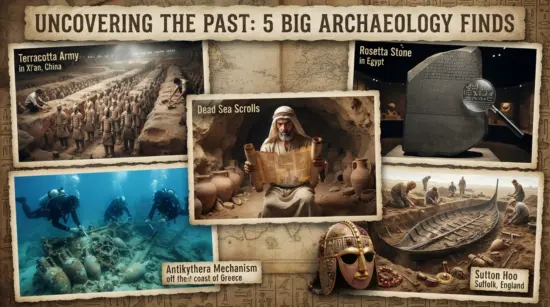
Exploring the Past: A Journey Through History Timeline Facts
Delving into the realm of history can be a fascinating adventure, filled with intriguing events, remarkable figures, and surprising discoveries. A history timeline serves as a valuable tool, providing a chronological framework that helps us understand the progression of human civilization. In this article, we will embark on a journey through time, uncovering key history timeline facts that have shaped the world we live in today.
The Ancient Civilizations
The earliest recorded civilizations date back to around 4000 BCE, with the emergence of Mesopotamia, Egypt, and the Indus Valley. These ancient cultures laid the foundation for modern society, making significant contributions to fields such as agriculture, architecture, and governance. The pyramids of Egypt, the Hanging Gardens of Babylon, and the Great Bath of Mohenjo-Daro are just a few examples of the impressive achievements of these ancient civilizations.
- Mesopotamia is often referred to as the “cradle of civilization,” with the Sumerians developing a system of writing, known as cuneiform, around 3500 BCE.
- Ancient Egypt is famous for its elaborate burial practices, with the construction of elaborate tombs and the use of mummification to preserve the bodies of pharaohs and other high-ranking officials.
- The Indus Valley Civilization is notable for its sophisticated urban planning, with cities such as Harappa and Mohenjo-Daro featuring advanced drainage systems and well-organized street grids.
The Rise and Fall of Empires
Throughout history, various empires have risen to power, only to eventually decline and fall. The Roman Empire, which lasted from 27 BCE to 476 CE, is a prime example of this phenomenon. At its peak, the Roman Empire was a vast and powerful state, spanning across three continents and leaving a lasting legacy in law, architecture, and governance. Other notable empires include the Mongol Empire, the British Empire, and the Ottoman Empire, each with its own unique characteristics and contributions to world history.
The rise and fall of empires has had a profound impact on the development of human civilization, shaping cultural, economic, and political landscapes in lasting ways. By studying these empires, we can gain valuable insights into the complexities of power, the importance of leadership, and the inevitability of change.
Major Historical Events
History is marked by numerous significant events that have had far-reaching consequences. The Renaissance, which took place in Europe from the 14th to the 17th century, saw a resurgence in art, literature, and science, laying the groundwork for the Enlightenment and the Scientific Revolution. The Industrial Revolution, which began in the late 18th century, transformed the way goods were produced and distributed, leading to significant economic and social changes. Other major historical events include the American and French Revolutions, the World Wars, and the Civil Rights Movement, each with its own unique context and impact.
- The Renaissance saw the emergence of iconic figures such as Leonardo da Vinci, Michelangelo, and Galileo Galilei, who made groundbreaking contributions to their respective fields.
- The Industrial Revolution was marked by the development of new technologies, such as the steam engine and the spinning jenny, which greatly increased productivity and efficiency.
- The American and French Revolutions were instrumental in shaping modern democracy, with the establishment of new forms of government and the protection of individual rights and freedoms.
Modern History and Beyond
In recent centuries, human history has been shaped by a complex array of factors, including technological advancements, global conflicts, and social movements. The 20th century saw the rise of totalitarian regimes, the devastation of two world wars, and the emergence of new global powers. The 21st century has been marked by significant challenges, such as climate change, economic inequality, and social injustice, as well as opportunities for growth and progress, including advances in technology, medicine, and human rights.
As we look to the future, it is essential to learn from the past, drawing on the wisdom and experiences of previous generations to build a better world for all. By studying history timeline facts, we can gain a deeper understanding of the complexities and challenges of human civilization, as well as the resilience and adaptability of the human spirit.
Conclusion
In conclusion, exploring history timeline facts can be a rich and rewarding experience, offering insights into the development of human civilization and the complexities of the past. By examining the achievements and challenges of previous generations, we can gain a deeper understanding of the world we live in today and the opportunities and challenges that lie ahead.
FAQs
What is the significance of the ancient civilizations?
The ancient civilizations, such as Mesopotamia, Egypt, and the Indus Valley, played a crucial role in shaping modern society. They developed innovative technologies, established systems of governance, and made significant contributions to fields such as architecture, art, and literature. Their achievements have had a lasting impact on human history, influencing the development of subsequent civilizations and cultures.
How did the rise and fall of empires impact human history?
The rise and fall of empires has had a profound impact on human history, shaping cultural, economic, and political landscapes in lasting ways. Empires have facilitated the exchange of ideas, goods, and technologies, while also perpetuating conflict, inequality, and social injustice. By studying the rise and fall of empires, we can gain valuable insights into the complexities of power, the importance of leadership, and the inevitability of change.
What were the major consequences of the Industrial Revolution?
The Industrial Revolution had far-reaching consequences, transforming the way goods were produced and distributed, and leading to significant economic and social changes. The development of new technologies, such as the steam engine and the spinning jenny, greatly increased productivity and efficiency, while also creating new forms of employment and social inequality. The Industrial Revolution played a key role in shaping the modern world, with its impact still being felt today.
Why is it important to study history timeline facts?
Studying history timeline facts is essential for gaining a deeper understanding of the complexities and challenges of human civilization. By examining the achievements and challenges of previous generations, we can learn from their experiences, draw on their wisdom, and build a better world for all. History timeline facts provide a framework for understanding the progression of human history, highlighting the significance of major events, the impact of cultural and social movements, and the contributions of remarkable individuals.