Unveiling the World’s Most Precious Historical Treasures
Historical treasures have long been a source of fascination for people around the globe. These priceless artifacts not only provide a glimpse into the past but also serve as a testament to human ingenuity, creativity, and perseverance. From ancient civilizations to modern-day marvels, historical treasures come in many forms, shapes, and sizes. In this article, we will delve into the world of historical treasures, exploring their significance, types, and the impact they have on our understanding of history.
The Significance of Historical Treasures
Historical treasures hold immense significance, as they offer a unique window into the past. They provide valuable insights into the culture, traditions, and way of life of ancient civilizations, allowing us to learn from their experiences and mistakes. These treasures also serve as a reminder of the achievements and contributions of our ancestors, inspiring us to build upon their legacy. Furthermore, historical treasures have the power to unite people across cultures and continents, fostering a sense of shared human heritage and promoting cross-cultural understanding.
Types of Historical Treasures
Historical treasures can be broadly categorized into several types, including artifacts, documents, and monuments. Artifacts such as tools, jewelry, and pottery provide tangible evidence of daily life in ancient times. Documents like manuscripts, scrolls, and letters offer a glimpse into the thoughts, beliefs, and values of our ancestors. Monuments, including temples, palaces, and tombs, serve as testaments to the engineering and architectural prowess of ancient civilizations. Other types of historical treasures include works of art, such as paintings and sculptures, as well as historical sites and landscapes.
Examples of Historical Treasures
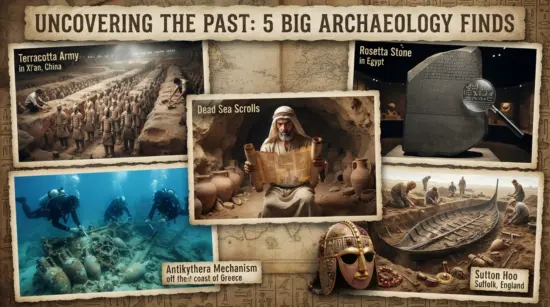
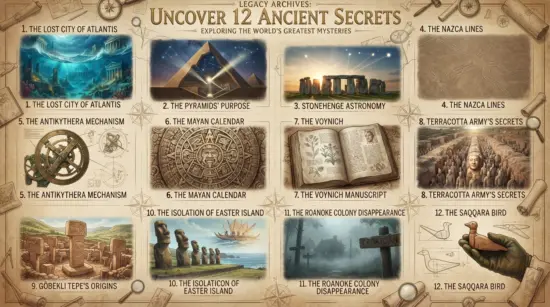
Some of the most famous historical treasures include the Rosetta Stone, the Terracotta Army, and the Dead Sea Scrolls. The Rosetta Stone, discovered in Egypt in 1799, is an ancient decree inscribed on a stone slab, featuring the same text in three languages. The Terracotta Army, unearthed in China in 1974, is a collection of over 8,000 life-sized clay soldiers that date back to the Qin dynasty. The Dead Sea Scrolls, discovered in the 1940s and 1950s, are a treasure trove of ancient texts, including biblical manuscripts and apocryphal works.
- The Great Pyramid of Giza, the oldest and only remaining ancient wonder of the world
- The Mona Lisa, one of the most famous paintings in the world, created by Leonardo da Vinci
- The Magna Carta, a medieval charter that laid the foundation for modern democracy
- The Taj Mahal, a stunning mausoleum built by the Mughal emperor Shah Jahan in memory of his wife
Preservation and Conservation of Historical Treasures
The preservation and conservation of historical treasures are crucial to ensuring their survival for future generations. This involves a range of activities, including restoration, documentation, and protection from environmental and human threats. Museums, archives, and cultural institutions play a vital role in preserving historical treasures, providing a safe and controlled environment for their storage and display. Additionally, international cooperation and agreements, such as the UNESCO World Heritage Convention, help to protect historical treasures from looting, vandalism, and destruction.
Frequently Asked Questions
What is the importance of historical treasures in understanding history?
Historical treasures are essential in understanding history, as they provide tangible evidence of past events, cultures, and civilizations. They offer a unique window into the past, allowing us to learn from the experiences and achievements of our ancestors.
How are historical treasures preserved and conserved?
Historical treasures are preserved and conserved through a range of activities, including restoration, documentation, and protection from environmental and human threats. This involves the use of specialized techniques and materials, as well as collaboration between experts from various fields, including conservation, archaeology, and history.
What are some of the most famous historical treasures in the world?
Some of the most famous historical treasures include the Rosetta Stone, the Terracotta Army, and the Dead Sea Scrolls. Other notable examples include the Great Pyramid of Giza, the Mona Lisa, and the Taj Mahal.
Why is it important to protect historical treasures from looting and vandalism?
It is essential to protect historical treasures from looting and vandalism, as these activities can result in the loss or destruction of priceless artifacts and cultural heritage. This not only deprives future generations of the opportunity to learn from and appreciate these treasures but also erases a part of our shared human history.
Conclusion
In conclusion, historical treasures are a vital part of our shared human heritage, offering a unique glimpse into the past and providing valuable insights into the culture, traditions, and achievements of ancient civilizations. It is our responsibility to preserve and conserve these treasures, ensuring their survival for future generations. By doing so, we can promote cross-cultural understanding, foster a sense of shared human heritage, and inspire future generations to build upon the legacy of our ancestors.