Uncovering the Past: Recent Breakthroughs in Archaeology
Archaeology is a field of study that has captivated human imagination for centuries. The quest to understand our past, to uncover the secrets of ancient civilizations, and to learn from the mistakes and achievements of our ancestors is a fundamental aspect of being human. Recent years have seen a surge in archaeological discoveries, shedding new light on the history of our planet and its inhabitants. In this article, we will delve into five of the most significant archaeology news stories, exploring the implications of these findings and what they reveal about our collective past.
The Discovery of a Lost City in the Jungle
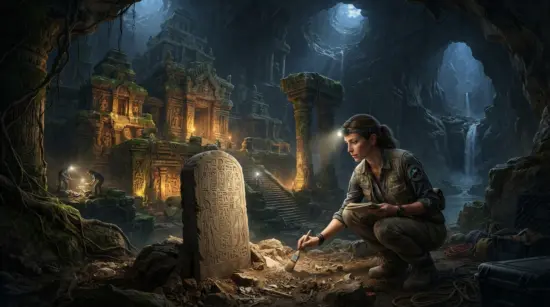
Deep in the heart of the jungle, archaeologists have stumbled upon the remnants of a lost city, hidden away for centuries. The city, which is believed to have been inhabited over a thousand years ago, is a remarkable example of ancient engineering and architecture. The discovery was made possible by advances in technology, including the use of drones and satellite imaging, which allowed researchers to map the area and identify potential sites of interest. As excavations continue, scientists are uncovering a wealth of artifacts, including pottery, tools, and other relics that provide a glimpse into the daily lives of the city’s inhabitants.
The discovery of this lost city is significant not only because of its historical importance but also due to its potential to shed light on the migration patterns and cultural exchange of ancient civilizations. The city’s strategic location, nestled between two major rivers, suggests that it may have played a crucial role in the trade and commerce of the region, connecting distant cultures and facilitating the exchange of ideas and goods.
Unraveling the Mysteries of the Pyramids
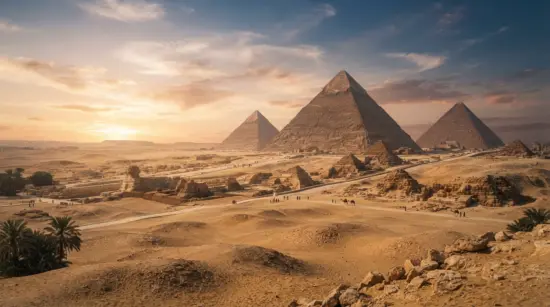
The pyramids of ancient Egypt have long been a source of fascination and awe, with their towering structures and intricate hieroglyphics. Recent discoveries have shed new light on the construction and purpose of these magnificent monuments, challenging long-held assumptions and sparking fresh debates among scholars. One of the most significant findings is the identification of a previously unknown chamber within the Great Pyramid of Giza, which is believed to have been used for ritualistic purposes.
The discovery of this chamber has significant implications for our understanding of ancient Egyptian spirituality and the role of the pyramids in their religious practices. The chamber’s unique architecture and symbolic decorations suggest that it may have been used for initiation rituals or other sacred ceremonies, providing a glimpse into the mystical world of the ancient Egyptians.
The Origins of Human Civilization
The question of how human civilization originated has puzzled scholars for centuries, with various theories emerging over the years. Recent archaeological discoveries have provided new insights into the development of human societies, suggesting that the process may have been more complex and nuanced than previously thought. The discovery of ancient artifacts and settlements in regions such as the Middle East and Africa has pushed back the timeline of human civilization, indicating that our ancestors may have begun to organize themselves into complex societies much earlier than previously believed.
One of the most significant findings in this area is the discovery of a ancient settlement in the Jordan Valley, which dates back over 10,000 years. The settlement, which includes sophisticated irrigation systems and evidence of early agriculture, suggests that humans may have begun to domesticate plants and animals much earlier than previously thought, paving the way for the development of more complex societies.
The Secrets of the Terracotta Army
The Terracotta Army, one of the most famous archaeological discoveries of the 20th century, continues to fascinate and intrigue scholars and the general public alike. Recent research has shed new light on the construction and purpose of this magnificent army, which is believed to have been created to protect the first emperor of China in the afterlife. The discovery of new terracotta soldiers, as well as other artifacts such as chariots and weapons, has provided a more detailed understanding of the army’s composition and significance.
One of the most significant findings is the identification of a previously unknown type of soldier, which is believed to have been used for specialized tasks such as archery or cavalry. The discovery of these new soldiers has significant implications for our understanding of ancient Chinese warfare and the role of the Terracotta Army in the emperor’s military campaigns.
The Preservation of Cultural Heritage
As archaeological discoveries continue to shed new light on our collective past, the preservation of cultural heritage has become an increasingly important issue. The destruction of historical sites and artifacts, whether through natural disasters, human conflict, or simple neglect, is a tragedy that can never be fully reversed. Recent efforts to protect and conserve cultural heritage sites, such as the use of advanced technologies and international cooperation, are crucial steps towards preserving our shared cultural legacy.
One of the most significant challenges in this area is the protection of cultural heritage sites in conflict zones, where the destruction of historical artifacts and monuments is often used as a tactic of war. The international community must come together to condemn these practices and work towards the preservation of cultural heritage, recognizing the importance of these sites to our shared human identity.
Conclusion
In conclusion, recent breakthroughs in archaeology have significantly expanded our understanding of human history, shedding new light on the development of ancient civilizations and the cultural exchange that shaped our world. From the discovery of lost cities to the preservation of cultural heritage, these findings have significant implications for our understanding of ourselves and our place in the world. As we continue to uncover the secrets of the past, we are reminded of the importance of preserving our cultural legacy for future generations, and the need for international cooperation and collaboration in the pursuit of knowledge.
What is the significance of the discovery of the lost city in the jungle?
The discovery of the lost city in the jungle is significant because it provides a unique glimpse into the daily lives of ancient civilizations, shedding light on their engineering and architectural skills, as well as their cultural and trade practices. The city’s strategic location also suggests that it may have played a crucial role in the migration patterns and cultural exchange of ancient civilizations.
How do recent discoveries about the pyramids challenge our previous understanding of ancient Egyptian culture?
Recent discoveries about the pyramids, such as the identification of a previously unknown chamber, challenge our previous understanding of ancient Egyptian culture by providing new insights into their spiritual practices and the role of the pyramids in their religious rituals. These findings suggest that the pyramids may have been more than just tombs for the pharaohs, but also sacred sites for initiation rituals and other ceremonies.
What are the implications of the discovery of ancient artifacts and settlements in regions such as the Middle East and Africa?
The discovery of ancient artifacts and settlements in regions such as the Middle East and Africa has significant implications for our understanding of the origins of human civilization. These findings suggest that humans may have begun to organize themselves into complex societies much earlier than previously believed, pushing back the timeline of human civilization and providing new insights into the development of agriculture, trade, and cultural exchange.
Why is the preservation of cultural heritage important, and what can be done to protect historical sites and artifacts?
The preservation of cultural heritage is important because it allows us to learn from the past, appreciate the achievements of our ancestors, and understand our shared human identity. To protect historical sites and artifacts, it is essential to use advanced technologies, such as drones and satellite imaging, to monitor and conserve these sites, as well as to promote international cooperation and collaboration in the pursuit of knowledge. Additionally, it is crucial to raise awareness about the importance of cultural heritage and the need to protect it for future generations.
How do recent discoveries about the Terracotta Army contribute to our understanding of ancient Chinese culture and warfare?
Recent discoveries about the Terracotta Army, such as the identification of new types of soldiers, contribute to our understanding of ancient Chinese culture and warfare by providing a more detailed understanding of the army’s composition and significance. These findings suggest that the Terracotta Army was a complex and sophisticated military force, with specialized soldiers and equipment, and that it played a crucial role in the emperor’s military campaigns and spiritual practices.