Introduction to Museum Artifacts
Museums are treasure troves of historical and cultural significance, housing a vast array of artifacts that provide a glimpse into the past. These artifacts are not only valuable for their historical significance but also for the stories they tell and the insights they offer into the lives of people from bygone eras. In this article, we will delve into the world of museum artifacts, exploring their significance, the process of acquiring and conserving them, and the role they play in educating the public. We will also examine 11 notable museum artifacts that have captivated the imagination of visitors from around the world.
The Significance of Museum Artifacts
Museum artifacts are more than just relics of the past; they are tangible connections to history, culture, and the human experience. They have the power to evoke emotions, spark curiosity, and inspire learning. By preserving and showcasing these artifacts, museums play a crucial role in promoting cultural understanding, historical awareness, and education. Museum artifacts also serve as a testament to human ingenuity, creativity, and innovation, highlighting the achievements and contributions of individuals and societies throughout history.
Acquiring and Conserving Museum Artifacts
The process of acquiring and conserving museum artifacts is a complex and meticulous one. Museums employ a range of strategies to acquire new artifacts, including donations, purchases, and excavations. Once acquired, artifacts must be carefully conserved and preserved to ensure their longevity and integrity. This involves a range of techniques, including cleaning, restoration, and stabilization, as well as the use of specialized storage and display materials. Museums also employ skilled conservators and curators who work tirelessly to research, document, and interpret the artifacts in their care.
Notable Museum Artifacts
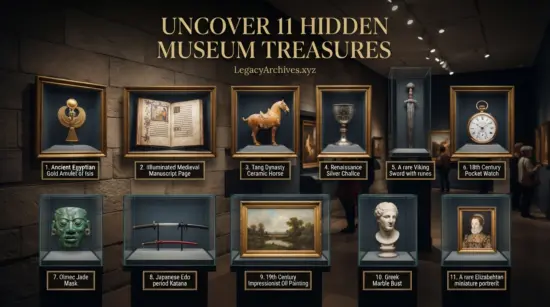
There are countless museum artifacts around the world that are worthy of note. Here are 11 examples of particularly significant and fascinating artifacts:
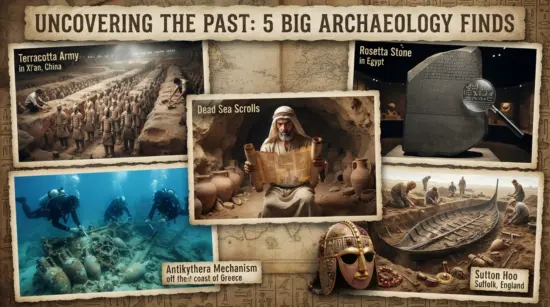
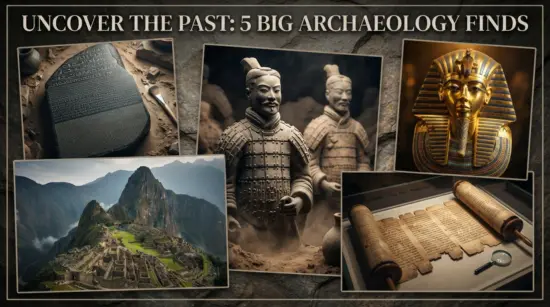
- The Rosetta Stone: This ancient Egyptian artifact is a granite stone inscribed with a decree issued by Egyptian pharaoh Ptolemy V in 196 BC. The stone features the same text in three languages: ancient Greek, demotic script, and hieroglyphics, making it a crucial tool for deciphering the hieroglyphics of ancient Egypt.
- The Mona Lisa: Painted by Leonardo da Vinci in the early 16th century, the Mona Lisa is one of the most famous paintings in the world. Her enigmatic smile has captivated art lovers for centuries, and the painting remains one of the most visited and revered works of art in the world.
- The Terracotta Army: Discovered in China in 1974, the Terracotta Army is a collection of over 8,000 life-sized clay soldiers that were buried with the first emperor of China, Qin Shi Huang, to protect him in the afterlife. The army is a testament to the advanced craftsmanship and military organization of ancient China.
- The Venus de Milo: This ancient Greek statue of the goddess Aphrodite is one of the most famous works of art in the world. Created in the 2nd century BC, the statue is renowned for its beauty, proportion, and intricate detail.
- The Dead Sea Scrolls: Discovered in the 1940s and 1950s, the Dead Sea Scrolls are a collection of ancient texts that include biblical manuscripts, apocryphal works, and other writings. The scrolls provide valuable insights into the history of Judaism and early Christianity.
- The Magna Carta: Signed by King John of England in 1215, the Magna Carta is a foundational document of democracy and human rights. The charter established the principle of the rule of law and protected the rights of individuals from the power of the monarch.
- The Golden Mask of Tutankhamun: Discovered by Howard Carter in 1922, the Golden Mask of Tutankhamun is one of the most iconic artifacts of ancient Egypt. The mask is a masterpiece of goldwork and features the image of the pharaoh Tutankhamun, who ruled Egypt from around 1332 to 1323 BC.
- The Wright Brothers’ Flyer: Built by Orville and Wilbur Wright in 1903, the Wright Brothers’ Flyer is the first powered, heavier-than-air aircraft. The flyer is a testament to the ingenuity and innovation of the Wright brothers, who pioneered the development of modern aviation.
- The Gutenberg Bible: Printed by Johannes Gutenberg in the 15th century, the Gutenberg Bible is one of the earliest printed books in the world. The bible is a landmark of printing technology and marks the beginning of the mass production of books.
- The First Computer Bug: In 1947, a team of engineers working on the Harvard Mark II computer discovered a moth stuck in one of the relays, which they taped to the computer log with the note “First actual case of bug being found.” The moth is now on display at the Smithsonian National Museum of American History and is a symbol of the early days of computing.
- The Apollo 11 Space Suit: Worn by astronaut Neil Armstrong during the first moon landing in 1969, the Apollo 11 space suit is a remarkable artifact of the space age. The suit is a testament to the ingenuity and bravery of the astronauts who explored the moon and paved the way for future space travel.
The Role of Museums in Preserving and Interpreting Artifacts
Museums play a vital role in preserving and interpreting artifacts for the benefit of the public. By collecting, conserving, and displaying artifacts, museums provide a window into the past and offer insights into the cultural, historical, and scientific contexts in which they were created. Museums also provide educational programs, exhibitions, and outreach activities that promote learning, critical thinking, and cultural awareness. Furthermore, museums serve as community hubs, fostering social interaction, cultural exchange, and civic engagement.
Challenges Facing Museums
Despite their importance, museums face a range of challenges, including funding constraints, conservation concerns, and the need to balance preservation with public access. Museums must also navigate the complexities of cultural sensitivity, intellectual property, and community engagement, ensuring that artifacts are presented in a respectful and responsible manner. Additionally, museums must adapt to changing technologies, audience expectations, and societal values, while remaining true to their core mission of preserving and interpreting the past for the benefit of future generations.
Conclusion
In conclusion, museum artifacts are a testament to human creativity, innovation, and perseverance. By preserving and showcasing these artifacts, museums promote cultural understanding, historical awareness, and education, inspiring visitors to learn, reflect, and engage with the world around them. As we continue to navigate the complexities of the modern world, the significance of museum artifacts remains unchanged, offering a powerful reminder of our shared humanity and the importance of preserving our cultural heritage for future generations.
Frequently Asked Questions
What is the purpose of a museum?
The purpose of a museum is to collect, conserve, and display artifacts and objects of historical, cultural, and scientific significance, with the aim of promoting education, research, and community engagement. Museums provide a platform for people to learn about and engage with the past, while also fostering critical thinking, cultural awareness, and social interaction.
How do museums acquire new artifacts?
Museums acquire new artifacts through a range of strategies, including donations, purchases, excavations, and loans. Donations may come from individuals, organizations, or communities, while purchases are often made through auctions, dealers, or other collectors. Excavations involve the systematic recovery of artifacts from archaeological sites, while loans allow museums to borrow artifacts from other institutions or collectors for temporary exhibitions or research purposes.
What is the process of conserving a museum artifact?
The process of conserving a museum artifact involves a range of techniques and strategies, including cleaning, restoration, stabilization, and preservation. Conservators use specialized materials and equipment to clean and stabilize artifacts, while also employing techniques such as X-radiography, infrared reflectography, and scanning electron microscopy to analyze and document the artifact’s condition and composition.
Can I touch or handle museum artifacts?
No, it is generally not recommended to touch or handle museum artifacts, as the oils from human skin and other substances can damage or deteriorate the artifact over time. Museums often provide interactive exhibits or replicas that allow visitors to engage with artifacts in a safe and controlled manner, while also ensuring the long-term preservation and conservation of the original artifact.