Exploring the Ancient World: 5 Historical Kingdoms That Shaped Human History
Human history is filled with the rise and fall of powerful kingdoms, each leaving its mark on the world. From ancient civilizations to medieval empires, these kingdoms have shaped the course of human events, influencing culture, politics, and society. In this article, we will delve into the fascinating world of five historical kingdoms that have had a lasting impact on human history.
The Kingdom of Egypt: A Civilization Born of the Nile
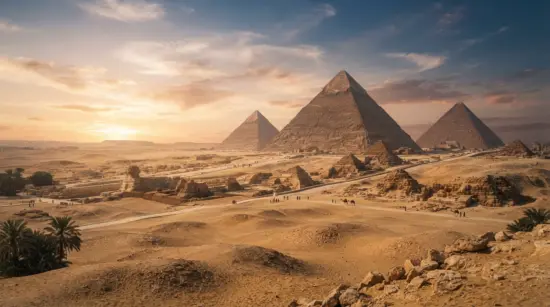
The Kingdom of Egypt is one of the most iconic and enduring civilizations in human history. Emerging around 3100 BCE, Egypt was a major power in the ancient world, known for its impressive pyramids, temples, and tombs. The Egyptians developed a complex system of hieroglyphic writing, a robust system of government, and a rich cultural heritage that included a pantheon of gods and goddesses. The kingdom was ruled by a series of powerful pharaohs, including Ramses II and Hatshepsut, who oversaw the construction of monumental architecture and the expansion of Egyptian trade and influence.
Egypt’s strategic location at the crossroads of Africa, Asia, and Europe made it a hub of international trade and cultural exchange. The kingdom’s merchants and diplomats traveled extensively, exchanging goods, ideas, and technologies with other civilizations. The legacy of ancient Egypt can be seen in the many cultures that followed, from the Greeks and Romans to the Arabs and Europeans, who all borrowed and adapted Egyptian knowledge, art, and architecture.
The Kingdom of Babylon: A Center of Learning and Culture
The Kingdom of Babylon, located in present-day Iraq, was a major center of learning and culture in the ancient world. Founded around 1800 BCE, Babylon was a cosmopolitan city that attracted scholars, poets, and philosophers from across the ancient Near East. The kingdom was ruled by a series of powerful kings, including Hammurabi and Nebuchadnezzar, who oversaw the development of a sophisticated system of law, governance, and education.
Babylon was famous for its impressive libraries, including the legendary Library of Ashurbanipal, which contained thousands of clay tablets inscribed with cuneiform script. The kingdom’s scholars made significant contributions to mathematics, astronomy, and medicine, and their discoveries had a lasting impact on the development of science and technology. The Babylonians also developed a complex system of astrology and divination, which influenced the spiritual practices of many subsequent cultures.
The Kingdom of China: A Dynasty of Emperors and Inventors
The Kingdom of China, also known as the Qin Dynasty, was a vast and powerful empire that emerged in the 3rd century BCE. The Qin emperors, including Qin Shi Huang and Han Wu Di, oversaw the construction of the Great Wall, the development of a standardized system of weights and measures, and the invention of the compass, gunpowder, and paper money. Chinese scholars made significant contributions to mathematics, astronomy, and medicine, and their discoveries had a lasting impact on the development of science and technology.
The Kingdom of China was also a center of artistic and cultural innovation, with the development of calligraphy, painting, and porcelain production. The Chinese invented the silk loom, which revolutionized textile production, and their merchants and traders traveled extensively along the Silk Road, exchanging goods and ideas with other civilizations. The legacy of ancient China can be seen in the many cultures that followed, from the Koreans and Japanese to the Indians and Europeans, who all borrowed and adapted Chinese knowledge, art, and technology.
The Kingdom of Greece: A Cradle of Democracy and Philosophy
The Kingdom of Greece, which emerged in the 8th century BCE, was a major center of culture, philosophy, and politics in the ancient world. The Greeks developed a system of city-states, each with its own government, laws, and institutions. The kingdom was ruled by a series of powerful leaders, including Pericles and Alexander the Great, who oversaw the development of democracy, theater, and the arts.
Greece was famous for its philosophers, including Socrates, Plato, and Aristotle, who made significant contributions to Western thought and culture. The Greeks also developed a robust system of science and mathematics, with major discoveries in astronomy, medicine, and engineering. The legacy of ancient Greece can be seen in the many cultures that followed, from the Romans and Europeans to the Americans and Australians, who all borrowed and adapted Greek knowledge, art, and institutions.
The Kingdom of Maya: A Civilization of Temple Builders and Astronomers
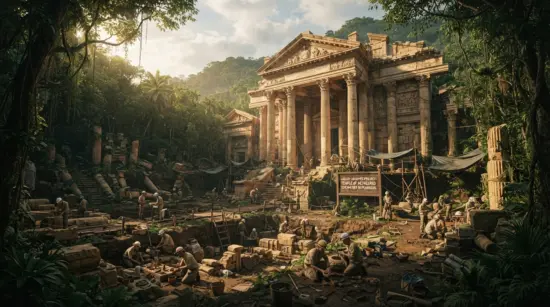
The Kingdom of Maya, which emerged in the 2nd century BCE, was a major center of culture and learning in Mesoamerica. The Maya developed a sophisticated system of writing, astronomy, and mathematics, and their scholars made significant contributions to our understanding of the universe. The kingdom was ruled by a series of powerful leaders, including Pacal the Great and Ah Cacau, who oversaw the construction of impressive temples, palaces, and monuments.
The Maya were skilled architects and engineers, and their cities, including Tikal and Palenque, were renowned for their beauty and sophistication. The kingdom’s merchants and traders traveled extensively, exchanging goods and ideas with other civilizations in Mesoamerica. The legacy of the Maya can be seen in the many cultures that followed, from the Aztecs and Toltecs to the Spanish and Europeans, who all borrowed and adapted Maya knowledge, art, and architecture.
Conclusion: The Lasting Legacy of Historical Kingdoms
The five historical kingdoms explored in this article have had a lasting impact on human history, shaping the course of culture, politics, and society. From the pyramids of Egypt to the temples of Maya, these kingdoms have left an enduring legacy that continues to inspire and fascinate us today. By studying these kingdoms, we can gain a deeper understanding of the complexities and challenges of human history, and appreciate the many contributions that ancient civilizations have made to our modern world.
FAQs: Exploring the World of Historical Kingdoms
What were the main achievements of the Kingdom of Egypt?
The Kingdom of Egypt was known for its impressive pyramids, temples, and tombs, as well as its complex system of hieroglyphic writing and robust system of government. The Egyptians also developed a rich cultural heritage, including a pantheon of gods and goddesses, and made significant contributions to mathematics, medicine, and architecture.
How did the Kingdom of Babylon contribute to the development of science and technology?
The Kingdom of Babylon was a major center of learning and culture, and its scholars made significant contributions to mathematics, astronomy, and medicine. The Babylonians developed a sophisticated system of astrology and divination, and their discoveries had a lasting impact on the development of science and technology.
What was the significance of the Kingdom of China in terms of its inventions and discoveries?
The Kingdom of China was a vast and powerful empire that made significant contributions to science and technology, including the invention of the compass, gunpowder, and paper money. The Chinese also developed a standardized system of weights and measures, and their scholars made major discoveries in mathematics, astronomy, and medicine.
How did the Kingdom of Greece influence Western thought and culture?
The Kingdom of Greece was a major center of culture, philosophy, and politics, and its philosophers, including Socrates, Plato, and Aristotle, made significant contributions to Western thought and culture. The Greeks also developed a robust system of science and mathematics, and their discoveries had a lasting impact on the development of Western civilization.