Unveiling the Mysteries of Forgotten Civilizations
Throughout the annals of human history, numerous civilizations have risen to greatness, only to vanish into the sands of time, leaving behind a trail of mystery and intrigue. These forgotten civilizations have long fascinated historians, archaeologists, and the general public alike, sparking intense curiosity and debate about their origins, achievements, and eventual downfall. In this article, we will delve into the fascinating world of forgotten civilizations, exploring their history, culture, and legacy, as well as the factors that contributed to their decline and disappearance.
The Definition and Characteristics of Forgotten Civilizations
A forgotten civilization is typically defined as a complex society that has been lost to the passage of time, often due to factors such as war, environmental disaster, or cultural assimilation. These civilizations often leave behind a range of artifacts, including architecture, art, literature, and other cultural relics, which provide valuable insights into their way of life and achievements. Forgotten civilizations can be found on every continent, from the ancient ruins of Mesopotamia to the abandoned cities of the Americas, each with its unique history, culture, and characteristics.
One of the key characteristics of forgotten civilizations is their ability to thrive and flourish in a particular time and place, often in the face of significant challenges and obstacles. These civilizations were often marked by significant advances in technology, governance, and the arts, which enabled them to build complex societies and achieve great things. However, they were also often vulnerable to factors such as environmental degradation, war, and disease, which could ultimately contribute to their decline and disappearance.
Examples of Forgotten Civilizations
There are many examples of forgotten civilizations throughout history, each with its own unique story and legacy. Some of the most notable examples include:
- The Indus Valley Civilization, which flourished in modern-day Pakistan and northwestern India between 3300 and 1300 BCE, and is known for its sophisticated urban planning and architecture.
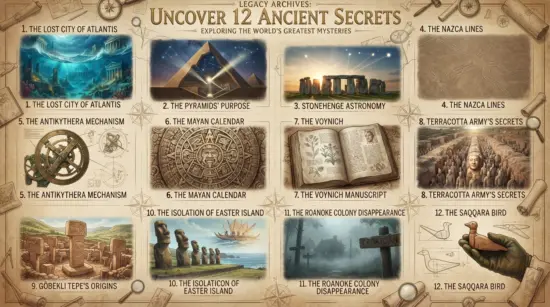
- The Maya Civilization, which thrived in Mesoamerica from 2000 BCE to 1500 CE, and is famous for its advanced knowledge of astronomy and mathematics.
- The Easter Island Civilization, which developed on a remote island in the Pacific Ocean between 1200 and 1500 CE, and is known for its massive stone statues and mysterious writing system.
- The Nubian Kingdoms, which existed in northeastern Africa from 2000 BCE to 300 CE, and are notable for their rich cultural heritage and impressive architectural achievements.
These civilizations, among many others, demonstrate the diversity and complexity of human societies throughout history, and highlight the importance of preserving and learning from the past.
The Factors that Contributed to the Decline of Forgotten Civilizations
So, what factors contributed to the decline and disappearance of these forgotten civilizations? While each case is unique, there are several common themes that emerge. Some of the most significant factors include:
- Environmental degradation, such as deforestation, soil erosion, and climate change, which could undermine the economic and social foundations of a civilization.
- War and conflict, which could lead to the destruction of cities, the loss of life, and the disruption of trade and cultural exchange.
- Disease, which could spread quickly through densely populated urban areas, decimating populations and weakening the social fabric of a civilization.
- Cultural assimilation, which could occur when a dominant culture absorbs or suppresses a weaker one, leading to the loss of cultural identity and heritage.
These factors, often in combination, could ultimately contribute to the decline and disappearance of a forgotten civilization, leaving behind only remnants and artifacts as a testament to their existence.
The Legacy of Forgotten Civilizations
Despite their decline and disappearance, forgotten civilizations have left a lasting legacy that continues to inspire and fascinate us today. Their achievements in fields such as architecture, art, literature, and science have had a profound impact on the development of human civilization, shaping our modern world in countless ways. From the pyramids of ancient Egypt to the temples of Angkor Wat, the artifacts and monuments of forgotten civilizations continue to awe and inspire us, reminding us of the ingenuity, creativity, and perseverance of our ancestors.
The study of forgotten civilizations also provides valuable insights into the human condition, highlighting the complexities and challenges of building and maintaining complex societies. By examining the successes and failures of these civilizations, we can gain a deeper understanding of the factors that contribute to the rise and fall of human societies, and develop a greater appreciation for the fragility and beauty of human culture.
Preserving the Heritage of Forgotten Civilizations
As we continue to learn from and appreciate the legacy of forgotten civilizations, it is also important to recognize the importance of preserving their cultural heritage. This can involve a range of activities, from archaeological excavation and conservation to cultural exchange and education. By working to preserve the artifacts, monuments, and cultural traditions of forgotten civilizations, we can help to ensure that their legacy continues to inspire and educate future generations.
Furthermore, the preservation of cultural heritage can also have significant economic and social benefits, particularly in regions where tourism and cultural exchange can provide a vital source of income and employment. By promoting cultural heritage preservation and tourism, we can help to support local communities and promote cross-cultural understanding, while also celebrating the diversity and richness of human culture.
FAQs about Forgotten Civilizations
What is the definition of a forgotten civilization?
A forgotten civilization is a complex society that has been lost to the passage of time, often due to factors such as war, environmental disaster, or cultural assimilation. These civilizations often leave behind a range of artifacts, including architecture, art, literature, and other cultural relics, which provide valuable insights into their way of life and achievements.
What are some examples of forgotten civilizations?
Some notable examples of forgotten civilizations include the Indus Valley Civilization, the Maya Civilization, the Easter Island Civilization, and the Nubian Kingdoms. These civilizations, among many others, demonstrate the diversity and complexity of human societies throughout history, and highlight the importance of preserving and learning from the past.
What factors contributed to the decline of forgotten civilizations?
The decline of forgotten civilizations was often the result of a combination of factors, including environmental degradation, war and conflict, disease, and cultural assimilation. These factors, often in combination, could ultimately contribute to the decline and disappearance of a forgotten civilization, leaving behind only remnants and artifacts as a testament to their existence.
Why is it important to preserve the cultural heritage of forgotten civilizations?
Preserving the cultural heritage of forgotten civilizations is important for a range of reasons, including promoting cross-cultural understanding, supporting local communities, and celebrating the diversity and richness of human culture. By working to preserve the artifacts, monuments, and cultural traditions of forgotten civilizations, we can help to ensure that their legacy continues to inspire and educate future generations.
Conclusion
In conclusion, the study of forgotten civilizations offers a fascinating glimpse into the diversity and complexity of human societies throughout history. From the ancient ruins of Mesopotamia to the abandoned cities of the Americas, these civilizations have left a lasting legacy that continues to inspire and fascinate us today. By exploring the history, culture, and achievements of these civilizations, we can gain a deeper understanding of the human condition, and develop a greater appreciation for the fragility and beauty of human culture. As we continue to learn from and appreciate the legacy of forgotten civilizations, it is also important to recognize the importance of preserving their cultural heritage, and promoting cross-cultural understanding and exchange.