Introduction to Empire History
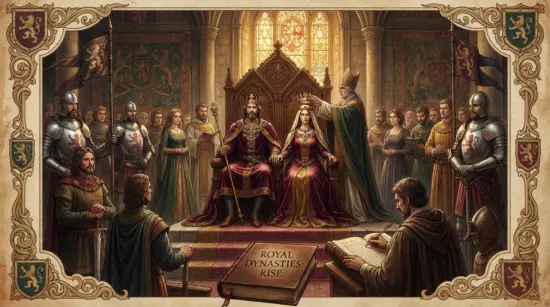
Empires have been a cornerstone of human civilization for thousands of years, shaping the course of history in profound ways. From the ancient Egyptians to the modern-day superpowers, empires have risen and fallen, leaving behind a rich legacy of cultural, economic, and political achievements. In this article, we will delve into the fascinating world of empire history, exploring the key characteristics, notable empires, and lasting impacts of these complex societies.
Defining Empires
An empire is typically defined as a large, multi-ethnic state that extends its influence through conquest, diplomacy, or economic dominance. Empires often have a strong central authority, a hierarchical system of government, and a distinct culture that is imposed upon the subjugated territories. Throughout history, empires have taken many forms, from the city-state empires of ancient Greece to the vast, continental empires of the modern era.
Empires have been driven by a variety of motivations, including the desire for resources, strategic location, and the spread of ideology. They have also been shaped by factors such as geography, technology, and the social and economic structures of the time. Understanding these complexities is essential to grasping the nature of empires and their role in shaping human history.
Ancient Empires
The ancient world was home to some of the most influential empires in human history. The Egyptian Empire, which lasted for over 3,000 years, was notable for its advanced architecture, sophisticated system of governance, and significant cultural achievements. The Persian Empire, under the rule of Cyrus the Great, was another major power that stretched from the Indus River to the Mediterranean Sea.
The Roman Empire, which emerged in the 1st century BC, was a paradigm of imperial power and administration. At its peak, it encompassed much of Europe, North Africa, and parts of Asia, leaving a lasting legacy in law, architecture, and language. Other notable ancient empires include the Chinese Qin and Han dynasties, the Indian Mauryan Empire, and the Greek Empire under Alexander the Great.
Medieval and Early Modern Empires
The medieval period saw the rise of new empires, including the Byzantine Empire, the Islamic Caliphate, and the Mongol Empire. The Byzantine Empire, also known as the Eastern Roman Empire, survived for over 1,000 years, preserving Roman law, culture, and religion in the face of numerous challenges. The Islamic Caliphate, which emerged in the 7th century, was a major center of learning, art, and architecture, and played a significant role in the transmission of knowledge from ancient Greece to medieval Europe.
The Mongol Empire, founded by Genghis Khan in the 13th century, was the largest contiguous empire in history, stretching from China to Eastern Europe. It facilitated trade, cultural exchange, and the spread of ideas across vast distances, leaving a lasting impact on the modern world. Other notable medieval and early modern empires include the Ottoman Empire, the Spanish Empire, and the Portuguese Empire.
Modern Empires
The modern era has seen the rise of new imperial powers, including the British Empire, the French Empire, and the German Empire. The British Empire, which emerged in the 18th century, was the largest empire in history, spanning across a quarter of the world’s land area and encompassing a quarter of the global population. It played a significant role in shaping modern globalization, imposing English as a global language, and spreading Western culture and values.
The French Empire, which emerged in the 19th century, was another major power that competed with Britain for colonial dominance. The German Empire, which emerged in the late 19th century, was a key player in the scramble for Africa and the lead-up to World War I. Other notable modern empires include the Russian Empire, the Japanese Empire, and the American Empire.
Characteristics of Empires
Despite their diversity, empires have shared certain characteristics throughout history. These include a strong central authority, a hierarchical system of government, and a distinct culture that is imposed upon the subjugated territories. Empires have also been driven by a variety of motivations, including the desire for resources, strategic location, and the spread of ideology.
Empires have often been associated with imperialism, a policy of extending a country’s power and influence through colonization, diplomacy, or military force. Imperialism has been a major driver of global change, shaping the modern world order and leaving a lasting legacy in politics, economics, and culture.
Legacy of Empires
The legacy of empires is complex and multifaceted, reflecting both the positive and negative aspects of imperial power. On the one hand, empires have facilitated the spread of ideas, cultures, and technologies, shaping the modern world in profound ways. They have also promoted economic growth, trade, and cultural exchange, lifting millions of people out of poverty and improving living standards.
On the other hand, empires have been associated with violence, exploitation, and oppression, leaving deep scars in the collective memory of subjugated peoples. The legacy of empires continues to shape modern politics, with many countries still grappling with the consequences of colonialism, imperialism, and foreign domination.
Conclusion
In conclusion, empire history is a rich and complex field that reflects the diversity and complexity of human civilization. From ancient Egypt to modern-day superpowers, empires have shaped the course of history in profound ways, leaving a lasting legacy in culture, politics, and economics. Understanding the characteristics, motivations, and impacts of empires is essential to grasping the nature of human society and the modern world order.
What is the definition of an empire?
An empire is typically defined as a large, multi-ethnic state that extends its influence through conquest, diplomacy, or economic dominance. Empires often have a strong central authority, a hierarchical system of government, and a distinct culture that is imposed upon the subjugated territories.
What are some notable ancient empires?
Some notable ancient empires include the Egyptian Empire, the Persian Empire, the Roman Empire, the Chinese Qin and Han dynasties, the Indian Mauryan Empire, and the Greek Empire under Alexander the Great. These empires were major centers of power, culture, and learning, and played a significant role in shaping the ancient world.
What are some characteristics of modern empires?
Modern empires have shared certain characteristics, including a strong central authority, a hierarchical system of government, and a distinct culture that is imposed upon the subjugated territories. They have also been driven by a variety of motivations, including the desire for resources, strategic location, and the spread of ideology. Additionally, modern empires have often been associated with imperialism, a policy of extending a country’s power and influence through colonization, diplomacy, or military force.
What is the legacy of empires in the modern world?
The legacy of empires is complex and multifaceted, reflecting both the positive and negative aspects of imperial power. On the one hand, empires have facilitated the spread of ideas, cultures, and technologies, shaping the modern world in profound ways. On the other hand, empires have been associated with violence, exploitation, and oppression, leaving deep scars in the collective memory of subjugated peoples. The legacy of empires continues to shape modern politics, with many countries still grappling with the consequences of colonialism, imperialism, and foreign domination.
How have empires shaped the modern world order?
Empires have played a significant role in shaping the modern world order, facilitating the spread of ideas, cultures, and technologies, and promoting economic growth, trade, and cultural exchange. They have also imposed their languages, cultures, and values on subjugated territories, shaping the modern world in profound ways. However, empires have also been associated with violence, exploitation, and oppression, leaving deep scars in the collective memory of subjugated peoples and shaping modern politics in complex and multifaceted ways.