Unveiling the Mysteries of Ancient Kingdoms
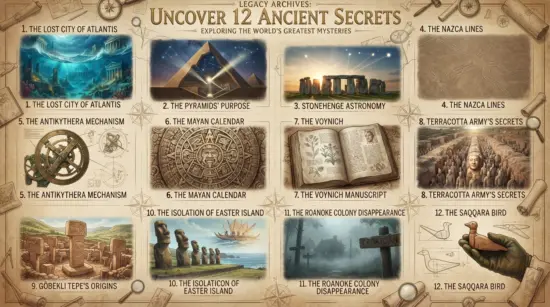
Ancient kingdoms have long been a subject of fascination for historians, archaeologists, and the general public alike. These kingdoms, which flourished in various parts of the world, left behind a rich legacy of culture, architecture, and knowledge that continues to inspire and awe us today. From the majestic pyramids of Egypt to the intricate temples of Angkor Wat, the remnants of these ancient civilizations are a testament to the ingenuity and creativity of our ancestors.
The Rise and Fall of Ancient Kingdoms
The history of ancient kingdoms is a complex and multifaceted one, spanning thousands of years and numerous continents. Some of the most notable ancient kingdoms include Egypt, Mesopotamia, China, Greece, and Rome, each with its own unique culture, politics, and contributions to human civilization. These kingdoms rose to power through a combination of military conquest, strategic alliances, and innovative technologies, only to eventually decline and fall due to internal conflicts, external pressures, and environmental factors.
One of the key factors that contributed to the success of ancient kingdoms was their ability to adapt to their environments and harness the resources available to them. For example, the ancient Egyptians developed a sophisticated system of irrigation that allowed them to cultivate the fertile Nile Valley, while the ancient Chinese developed the silk road, a network of trade routes that connected them to other civilizations in Asia and beyond.
Notable Ancient Kingdoms
Some of the most notable ancient kingdoms include:
- Egypt: Known for its pyramids, mummies, and pharaohs, ancient Egypt was a major power in the ancient Near East.
- Mesopotamia: Located in modern-day Iraq, Mesopotamia was home to the Sumerians, Babylonians, and Assyrians, and is often referred to as the “cradle of civilization”.
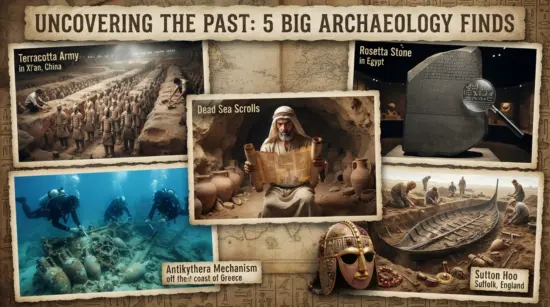
- China: The ancient Chinese kingdom of Qin was the first to unify China’s various warring states, and is famous for its terracotta army and Great Wall.
- Greece: Ancient Greece was a collection of city-states that made significant contributions to philosophy, theater, and democracy, and is often credited with laying the foundations of Western civilization.
- Rome: The Roman Empire was one of the largest and most influential empires in history, stretching from Britain to Egypt and leaving a lasting legacy in law, architecture, and governance.
Cultural and Scientific Achievements
Ancient kingdoms were not only notable for their military and political achievements, but also for their cultural and scientific contributions. Many ancient kingdoms made significant advances in fields such as mathematics, astronomy, medicine, and engineering, and developed sophisticated systems of writing, art, and architecture. For example, the ancient Babylonians developed a sexagesimal (base-60) number system that is still used today for measuring time and angles, while the ancient Greeks made major contributions to the development of philosophy, theater, and democracy.
The cultural achievements of ancient kingdoms are also evident in their art, literature, and music. The ancient Egyptians, for example, developed a distinctive style of art that emphasized simplicity, symmetry, and monumentality, while the ancient Greeks developed a rich tradition of theater and poetry that continues to influence Western literature today.
Legacy of Ancient Kingdoms
The legacy of ancient kingdoms can be seen in many aspects of modern society, from the languages we speak and the governments we have, to the technologies we use and the cultures we enjoy. Many modern cities, including Rome, Athens, and Beijing, were founded by ancient kingdoms and continue to thrive today. The study of ancient kingdoms also provides valuable insights into the human condition, revealing the commonalities and differences that exist between different cultures and societies.
Frequently Asked Questions
What were some of the most notable ancient kingdoms?
Some of the most notable ancient kingdoms include Egypt, Mesopotamia, China, Greece, and Rome, each with its own unique culture, politics, and contributions to human civilization.
What were some of the key factors that contributed to the success of ancient kingdoms?
Some of the key factors that contributed to the success of ancient kingdoms include their ability to adapt to their environments, harness the resources available to them, and develop innovative technologies and systems of governance.
What were some of the cultural and scientific achievements of ancient kingdoms?
Ancient kingdoms made significant advances in fields such as mathematics, astronomy, medicine, and engineering, and developed sophisticated systems of writing, art, and architecture. They also made major contributions to the development of philosophy, theater, and democracy.
How can the study of ancient kingdoms inform our understanding of modern society?
The study of ancient kingdoms provides valuable insights into the human condition, revealing the commonalities and differences that exist between different cultures and societies. It can also inform our understanding of modern politics, economics, and culture, and provide a broader perspective on the complexities and challenges of human civilization.
Conclusion
In conclusion, the history of ancient kingdoms is a rich and complex one, full of fascinating stories, cultural achievements, and scientific discoveries. By studying these kingdoms, we can gain a deeper understanding of the human condition and the factors that contribute to the rise and fall of civilizations. Whether you are a historian, archaeologist, or simply someone interested in learning more about our shared human heritage, the ancient kingdoms are a fascinating and rewarding topic of study.