Unveiling the Secrets of the Old World Wonders
The Old World Wonders are a testament to human ingenuity, creativity, and perseverance. These ancient structures have withstood the test of time, captivating the imagination of people around the world. From the majestic Pyramids of Giza to the mysterious Hanging Gardens of Babylon, each wonder has its own unique story to tell. In this article, we will delve into the history and significance of these incredible feats of engineering and architecture.
The Seven Old World Wonders
The Seven Old World Wonders were listed by ancient Greek historians and philosophers, who were in awe of their grandeur and beauty. The list includes:
- The Great Pyramid of Giza
- The Hanging Gardens of Babylon
- The Statue of Zeus at Olympia
- The Temple of Artemis at Ephesus
- The Mausoleum at Halicarnassus
- The Colossus of Rhodes
- The Lighthouse of Alexandria
Each of these wonders has its own distinct characteristics, reflecting the cultural, technological, and artistic advancements of its time.
The Great Pyramid of Giza: An Engineering Marvel
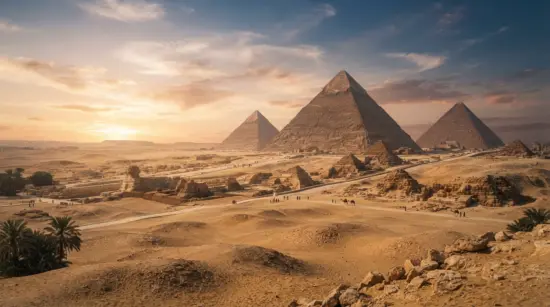
The Great Pyramid of Giza is the only one of the Seven Old World Wonders still standing today. This towering structure, built around 2580 BC, is an engineering marvel that has puzzled experts for centuries. The pyramid’s sheer scale, precision, and durability are a testament to the ingenuity of the ancient Egyptians. The pyramid’s original height was around 146 meters, making it the tallest man-made structure in the world for over 3,800 years.
The Hanging Gardens of Babylon: A Mystery Shrouded in Legend
The Hanging Gardens of Babylon are one of the most enigmatic of the Old World Wonders. According to legend, the gardens were built by the Neo-Babylonian King Nebuchadnezzar II around 600 BC, for his wife, Queen Amytis. The gardens were said to be a marvel of engineering, with a complex system of arches, aqueducts, and canals that supported a lush oasis in the middle of the desert. Despite extensive research, the exact location and existence of the Hanging Gardens remain a topic of debate among historians and archaeologists.
Cultural Significance and Legacy
The Old World Wonders have had a profound impact on human culture and history. They have inspired countless works of art, literature, and architecture, and continue to fascinate people around the world. The wonders have also played a significant role in shaping our understanding of ancient civilizations and their technological, artistic, and philosophical achievements. Today, the Old World Wonders are a reminder of the power of human creativity and ingenuity, and a source of inspiration for future generations.
Frequently Asked Questions
What were the Old World Wonders?
The Old World Wonders were a list of seven incredible feats of engineering and architecture, compiled by ancient Greek historians and philosophers. The list included structures such as the Great Pyramid of Giza, the Hanging Gardens of Babylon, and the Statue of Zeus at Olympia.
Which of the Old World Wonders still exists today?
Only one of the Seven Old World Wonders, the Great Pyramid of Giza, still exists today. The other six wonders have been destroyed or have vanished over time, due to natural disasters, wars, or other factors.
What was the purpose of the Old World Wonders?
The Old World Wonders were built for a variety of purposes, including as tombs, temples, statues, and fortifications. They were often intended to showcase the power, wealth, and cultural achievements of the civilizations that built them.
Can we still learn from the Old World Wonders today?
Yes, the Old World Wonders continue to be a source of inspiration and learning for people around the world. They provide valuable insights into the history, culture, and technological advancements of ancient civilizations, and offer a unique perspective on the human experience.
Conclusion
The Old World Wonders are a testament to the ingenuity, creativity, and perseverance of human beings. These incredible structures have captivated our imagination for centuries, and continue to inspire us today. By exploring the history and significance of the Old World Wonders, we can gain a deeper appreciation for the cultural, technological, and artistic achievements of ancient civilizations, and learn valuable lessons about the power of human creativity and innovation.