Unveiling the Mysteries of Early Civilizations
Human history is a rich and complex tapestry, woven from the threads of countless cultures and societies that have risen and fallen over the centuries. Among the most fascinating and influential of these are the early civilizations, which laid the foundations for modern society and continue to captivate our imagination to this day. From the mighty pyramids of ancient Egypt to the sophisticated cities of Mesopotamia, these early civilizations have left an indelible mark on the world. In this article, we will delve into the history and achievements of some of the most significant early civilizations, exploring their cultures, contributions, and lasting impact on human history.
The Cradle of Civilization: Mesopotamia
Mesopotamia, which corresponds to modern-day Iraq, Kuwait, and parts of Syria, Turkey, and Iran, is often referred to as the “cradle of civilization.” It was here that some of the earliest urban societies emerged, around 4500-4000 BCE. The Sumerians, Akkadians, Babylonians, and Assyrians all flourished in this region, leaving behind a legacy of impressive architectural achievements, sophisticated irrigation systems, and significant cultural advancements. The invention of writing, in the form of cuneiform, is one of the most notable contributions of the Mesopotamians, allowing for the recording of laws, business transactions, and literary works.
The Mesopotamians also made significant strides in astronomy, mathematics, and medicine. Their calendar, which divided the year into 12 months, is still the basis for many modern calendars. The famous Code of Hammurabi, created by the Babylonian king Hammurabi, is one of the earliest surviving examples of written laws, and its principles of justice and morality continue to influence legal systems around the world.
Ancient Egypt: A Civilization of Grandeur
Ancient Egypt, which emerged around 3100 BCE, is one of the most iconic and enduring civilizations in human history. The Egyptians are renowned for their stunning architectural achievements, including the pyramids of Giza, the Great Sphinx, and the temples of Luxor. Their advanced understanding of engineering and architecture allowed them to construct monumental structures that have withstood the test of time, inspiring awe and wonder in people from around the world.
Egyptian culture was also characterized by a strong emphasis on spirituality and the afterlife. The Egyptians developed a complex pantheon of gods and goddesses, and their elaborate burial practices, including mummification and the construction of elaborate tombs, reflect their deep-seated belief in an afterlife. The discovery of King Tutankhamun’s tomb, with its vast treasures and well-preserved mummy, has captivated the imagination of people around the world and provided a unique glimpse into the lives and beliefs of the ancient Egyptians.
The Indus Valley Civilization: A Sophisticated Urban Culture
The Indus Valley Civilization, which flourished in modern-day Pakistan and northwestern India between 3300 and 1300 BCE, is one of the most fascinating and enigmatic of the early civilizations. The Indus Valley people are notable for their sophisticated urban planning, with cities such as Mohenjo-Daro and Harappa featuring advanced drainage systems, public baths, and well-organized grids of streets and buildings. Their unique writing system, which has not yet been fully deciphered, provides a glimpse into a complex and highly organized society.
The Indus Valley Civilization is also remarkable for its high level of craftsmanship and artistic achievement. The discovery of intricate jewelry, pottery, and sculptures has revealed a culture that valued beauty and creativity, and their use of advanced metallurgical techniques, such as copper and bronze working, demonstrates a high level of technological sophistication.
The Legacy of Early Civilizations
The early civilizations of Mesopotamia, Egypt, and the Indus Valley have left an enduring legacy that continues to shape modern society. Their contributions to writing, architecture, astronomy, mathematics, and medicine have had a profound impact on the development of human knowledge and culture. The principles of justice and morality enshrined in the Code of Hammurabi, the sophisticated urban planning of the Indus Valley Civilization, and the stunning architectural achievements of the Egyptians all demonstrate the ingenuity, creativity, and perseverance of these early societies.
Furthermore, the cultural and artistic achievements of these civilizations continue to inspire and influence contemporary art, literature, and architecture. The discovery of ancient texts, such as the Epic of Gilgamesh, has provided a unique glimpse into the literary and cultural traditions of these early societies, while the iconic imagery of the pyramids, the Great Sphinx, and the temples of Luxor has become an integral part of our shared cultural heritage.
Frequently Asked Questions
What were some of the key factors that contributed to the rise of early civilizations?
The rise of early civilizations was often facilitated by a combination of factors, including the availability of fertile land, access to water sources, and the development of new technologies, such as the wheel and irrigation systems. The emergence of social hierarchies and specialized labor also played a crucial role in the growth and development of these early societies.
How did the early civilizations of Mesopotamia, Egypt, and the Indus Valley interact and influence one another?
While the early civilizations of Mesopotamia, Egypt, and the Indus Valley developed distinct cultural and artistic traditions, they also interacted and influenced one another through trade, migration, and the exchange of ideas. The spread of writing systems, architectural styles, and technological innovations all demonstrate the significant cultural and economic exchange that occurred between these early societies.
What were some of the most significant achievements of the ancient Egyptians?
The ancient Egyptians are renowned for their stunning architectural achievements, including the pyramids of Giza, the Great Sphinx, and the temples of Luxor. They also developed a sophisticated system of medicine, made significant advances in astronomy, and created a complex pantheon of gods and goddesses that continues to fascinate people around the world.
How have the discoveries of archaeologists and historians shed new light on our understanding of early civilizations?
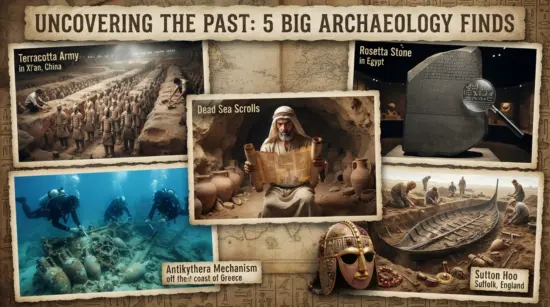
The discoveries of archaeologists and historians have significantly expanded our understanding of early civilizations, providing a unique glimpse into the lives and cultures of these ancient societies. The excavation of sites such as Pompeii, the discovery of the Dead Sea Scrolls, and the deciphering of ancient writing systems have all contributed to a deeper understanding of the history and achievements of these early civilizations.
Conclusion
The early civilizations of Mesopotamia, Egypt, and the Indus Valley have left an indelible mark on human history, shaping the course of modern society and continuing to inspire and captivate us to this day. Their achievements in writing, architecture, astronomy, mathematics, and medicine demonstrate the ingenuity, creativity, and perseverance of these early societies, and their cultural and artistic traditions continue to influence contemporary art, literature, and architecture. As we continue to explore and learn from these ancient civilizations, we are reminded of the profound impact that they have had on the development of human knowledge and culture, and we are inspired to build on their legacy as we forge our own path into the future.