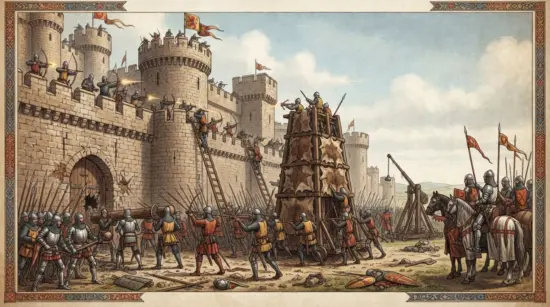
Introduction to Modern History
Modern history is a broad and complex topic that encompasses a wide range of events, cultures, and societies from around the world. It is generally defined as the period from the late 15th century to the present day, and is characterized by significant advancements in technology, politics, and economics. In this article, we will explore the key events, themes, and trends that have shaped modern history, and examine the ways in which they continue to influence our world today.
The Rise of Nation-States
The modern nation-state as we know it today began to take shape in the 16th and 17th centuries, with the emergence of powerful centralized governments in Europe. This marked a significant shift away from the feudal systems that had dominated the Middle Ages, and towards a more modern system of governance based on sovereignty, territoriality, and citizenship. The rise of nation-states was driven by a combination of factors, including the growth of trade and commerce, the development of new technologies, and the expansion of education and literacy.
One of the key features of the modern nation-state is its ability to exert control over a defined territory and population. This is achieved through a range of mechanisms, including laws, institutions, and bureaucracies, which work together to maintain order, provide public services, and promote economic development. The nation-state has also become a key player in international relations, with countries interacting with each other through diplomacy, trade, and conflict.
Key Characteristics of Modern Nation-States
- Sovereignty: The idea that a nation-state has supreme authority over its territory and population, and is recognized as such by other countries.
- Territoriality: The notion that a nation-state has a defined territory, which is marked by borders and within which it exercises control.
- Citizenship</
- Bureaucracy: A system of administration that is based on a hierarchy of officials, who are responsible for implementing policies and providing public services.
Colonialism and Imperialism
From the 16th to the 20th centuries, European powers engaged in a process of colonization and imperialism, which had a profound impact on modern history. This involved the establishment of colonies and the exploitation of resources in other parts of the world, often through violent means. The legacy of colonialism and imperialism continues to be felt today, with many countries still struggling to come to terms with the social, economic, and cultural impacts of these processes.
Colonialism and imperialism were driven by a range of factors, including the desire for wealth, power, and prestige. European powers saw the colonization of other parts of the world as a way to expand their empires, gain access to new resources and markets, and spread their influence and culture. However, the impact of colonialism and imperialism on indigenous populations was often devastating, with many people being displaced, marginalized, or killed.
Examples of Colonialism and Imperialism
- The Spanish conquest of the Aztec and Inca empires in Central and South America.
- The British colonization of India and the establishment of the Raj.
- The Scramble for Africa, in which European powers competed for control of the continent.
- The exploitation of African slaves in the Americas.
The World Wars
The 20th century was marked by two devastating world wars, which had a profound impact on modern history. The First World War (1914-1918) was fought between the Allied Powers (which included France, Britain, and the United States) and the Central Powers (which included Germany, Austria-Hungary, and the Ottoman Empire). The war was sparked by a complex system of alliances and rivalries between European powers, and was characterized by the introduction of new technologies and tactics, such as trench warfare and aerial bombing.
The Second World War (1939-1945) was fought between the Axis Powers (which included Germany, Italy, and Japan) and the Allied Powers (which included the United States, Britain, and the Soviet Union). The war was sparked by the aggressive expansion of the Axis Powers, and was characterized by the use of new technologies, such as radar and jet engines, as well as the systematic persecution and murder of six million Jews and millions of other people deemed undesirable by the Nazi regime.
Key Events of the World Wars
- The assassination of Archduke Franz Ferdinand, which sparked the First World War.
- The Battle of the Somme, which was one of the bloodiest battles of the First World War.
- The invasion of Poland, which marked the beginning of the Second World War.
- The D-Day landings, which marked a turning point in the Second World War.
The Cold War
The Cold War was a period of tension and competition between the United States and the Soviet Union, which lasted from the end of the Second World War until the collapse of communism in the late 1980s. The Cold War was characterized by a range of proxy wars, espionage, and propaganda, as well as a massive buildup of nuclear weapons and conventional military forces. The Cold War had a profound impact on modern history, shaping international relations, global politics, and popular culture.
The Cold War was driven by a range of factors, including ideological differences between the United States and the Soviet Union, as well as competition for influence and resources around the world. The Cold War was marked by a number of key events, including the Berlin Blockade, the Cuban Missile Crisis, and the Soviet invasion of Afghanistan.
Key Events of the Cold War
- The Berlin Blockade, which marked the beginning of the Cold War.
- The Cuban Missile Crisis, which brought the world to the brink of nuclear war.
- The Soviet invasion of Afghanistan, which marked a significant escalation of the Cold War.
- The collapse of communism in Eastern Europe, which marked the end of the Cold War.
Globalization and the Modern World
In recent decades, the world has become increasingly interconnected, with the growth of global trade, communication, and travel. This process of globalization has had a profound impact on modern history, shaping economies, cultures, and societies around the world. Globalization has created new opportunities for economic growth and development, but it has also raised concerns about inequality, environmental degradation, and cultural homogenization.
Globalization has been driven by a range of factors, including advances in technology, the growth of international trade, and the increasing mobility of people and goods. The impact of globalization can be seen in a range of areas, from the growth of multinational corporations to the spread of popular culture and the increasing awareness of global issues such as climate change and human rights.
Key Features of Globalization
- International trade: The exchange of goods and services between countries, which has grown significantly in recent decades.
- Foreign investment: The investment of capital in other countries, which has become a key driver of economic growth.
- Cultural exchange: The sharing of ideas, values, and practices between different cultures, which has become increasingly common in the modern world.
- Environmental concerns: The growing awareness of the impact of human activity on the environment, which has become a major issue in the modern world.
Conclusion
Modern history is a complex and multifaceted topic, which encompasses a wide range of events, themes, and trends. From the rise of nation-states to the impact of globalization, modern history has been shaped by a range of factors, including technological advancements, economic developments, and cultural exchanges. As we look to the future, it is clear that modern history will continue to shape our world, influencing international relations, global politics, and popular culture.
Frequently Asked Questions
What is modern history?
Modern history refers to the period from the late 15th century to the present day, and is characterized by significant advancements in technology, politics, and economics. It encompasses a wide range of events, themes, and trends, including the rise of nation-states, colonialism and imperialism, the world wars, and globalization.
What were the main causes of the First World War?
The main causes of the First World War were a complex system of alliances and rivalries between European powers, as well as the rise of nationalism and imperialism. The war was sparked by the assassination of Archduke Franz Ferdinand, which led to a chain reaction of events that eventually drew in all of the major powers of Europe.
What was the impact of colonialism and imperialism on indigenous populations?
The impact of colonialism and imperialism on indigenous populations was often devastating, with many people being displaced, marginalized, or killed. The legacy of colonialism and imperialism continues to be felt today, with many countries still struggling to come to terms with the social, economic, and cultural impacts of these processes.
What are the main features of globalization?
The main features of globalization include international trade, foreign investment, cultural exchange, and environmental concerns. Globalization has created new opportunities for economic growth and development, but it has also raised concerns about inequality, environmental degradation, and cultural homogenization.