Unveiling the Mysteries of Ancient Monuments
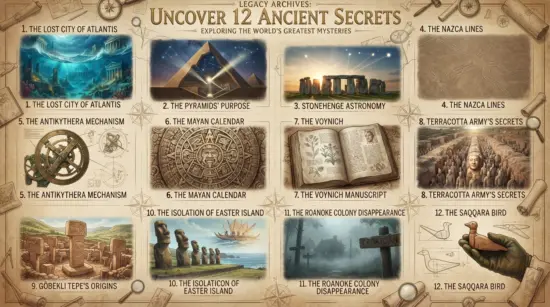
Ancient monuments have long been a source of fascination for people around the world. These structures, built by our ancestors, are a testament to their ingenuity, creativity, and perseverance. From the majestic pyramids of Egypt to the intricate temples of Angkor Wat, ancient monuments are a window into the past, offering a glimpse of the cultures, traditions, and ways of life of bygone eras. In this article, we will delve into the world of ancient monuments, exploring their history, significance, and the secrets they hold.
The Purpose and Significance of Ancient Monuments
Ancient monuments were built for a variety of purposes, including religious, political, and social reasons. Many of these structures were designed to honor gods and goddesses, while others were built to demonstrate the power and wealth of rulers. Some monuments, such as tombs and mausoleums, were constructed to commemorate the dead, while others, like temples and palaces, served as centers of worship, governance, and community. Regardless of their purpose, ancient monuments are significant not only for their historical value but also for their cultural and artistic importance.
These structures often reflect the technological, artistic, and philosophical advancements of their time, providing valuable insights into the development of human civilization. Moreover, ancient monuments have played a crucial role in shaping the identity and heritage of nations, influencing the course of history and inspiring future generations.
Types of Ancient Monuments
Ancient monuments can be broadly categorized into several types, including:
- Tombs and mausoleums, such as the Pyramids of Giza and the Mausoleum of Halicarnassus
- Temples and places of worship, like the Temple of Artemis at Ephesus and the Angkor Wat temple complex
- Palaces and fortifications, including the Palace of Persepolis and the Great Wall of China
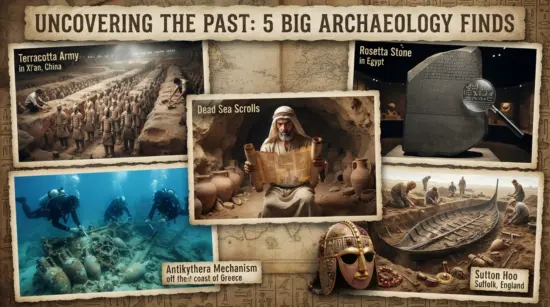
- Statues and sculptures, such as the Statue of Zeus at Olympia and the Terracotta Army
- Theaters and amphitheaters, like the Theater of Dionysus in Athens and the Colosseum in Rome
Each of these types of monuments offers a unique perspective on the culture, values, and achievements of ancient civilizations.
The Construction and Architecture of Ancient Monuments
The construction of ancient monuments is a testament to the ingenuity and skill of our ancestors. Many of these structures were built using simple tools and techniques, yet they have withstood the test of time, enduring for centuries. The architecture of ancient monuments is often characterized by grandeur, symmetry, and attention to detail, reflecting the artistic and aesthetic values of the cultures that built them.
The use of local materials, such as stone, brick, and wood, was common in the construction of ancient monuments. The choice of material often depended on the availability of resources, as well as the desired appearance and durability of the structure. In some cases, ancient builders developed innovative techniques, such as the use of arches and vaults, to create complex and imposing structures.
Preservation and Restoration of Ancient Monuments
Many ancient monuments are facing threats to their preservation, including natural disasters, human activities, and environmental degradation. The restoration and conservation of these structures are essential to ensuring their survival for future generations. This often involves a delicate balance between preserving the original character of the monument and making necessary repairs and modifications to ensure its stability and safety.
Efforts to preserve and restore ancient monuments are underway around the world, involving governments, international organizations, and local communities. These initiatives not only help to protect the cultural heritage of nations but also promote tourism, economic development, and cultural exchange.
The Cultural and Spiritual Significance of Ancient Monuments
Ancient monuments hold significant cultural and spiritual value, often serving as symbols of national identity and pride. They are also important centers of spiritual and religious practice, attracting millions of pilgrims and visitors each year. The cultural and spiritual significance of ancient monuments is deeply rooted in the history and traditions of the communities that built them.
Many ancient monuments are believed to possess spiritual or mystical powers, and are considered sacred by local populations. The preservation and respect of these sites are essential to maintaining the cultural and spiritual heritage of communities, and to promoting cross-cultural understanding and appreciation.
Challenges and Threats to Ancient Monuments
Ancient monuments face numerous challenges and threats, including:
- Natural disasters, such as earthquakes, floods, and landslides
- Human activities, such as looting, vandalism, and urbanization
- Environmental degradation, including pollution, climate change, and erosion
- Lack of funding and resources for preservation and restoration
- Conflicts and wars, which can result in the destruction or damage of monuments
Addressing these challenges and threats requires a concerted effort from governments, international organizations, and local communities to protect and preserve ancient monuments for future generations.
Conclusion
Ancient monuments are a testament to the ingenuity, creativity, and perseverance of our ancestors. These structures, built over thousands of years, offer a window into the past, providing valuable insights into the cultures, traditions, and ways of life of bygone eras. As we continue to learn from and appreciate these ancient wonders, it is essential that we also work to preserve and protect them for future generations.
Frequently Asked Questions
What is the oldest ancient monument in the world?
The oldest ancient monument in the world is the Megalithic Temples of Ggantija, located on the island of Malta. These temples date back to around 3600 BC, making them over 5,600 years old. The Megalithic Temples of Ggantija are not only the oldest ancient monument in the world but also a UNESCO World Heritage Site.
Which ancient monument is the most visited in the world?
The most visited ancient monument in the world is the Great Wall of China. The Great Wall of China attracts millions of visitors each year, making it one of the most popular tourist destinations in the world. The wall stretches over 13,000 miles, making it one of the longest structures ever built.
How are ancient monuments preserved and restored?
Ancient monuments are preserved and restored through a variety of techniques, including conservation, reconstruction, and rehabilitation. Conservation involves protecting the monument from further damage or deterioration, while reconstruction involves rebuilding or reassembling the structure using original materials and techniques. Rehabilitation involves restoring the monument to its original condition, while also ensuring its stability and safety.
What can we learn from ancient monuments?
Ancient monuments offer a wealth of knowledge and insights into the cultures, traditions, and ways of life of bygone eras. By studying these structures, we can learn about the history, architecture, art, and spirituality of ancient civilizations. We can also gain a deeper understanding of the technological, philosophical, and artistic advancements of the past, and how they have shaped the world we live in today.