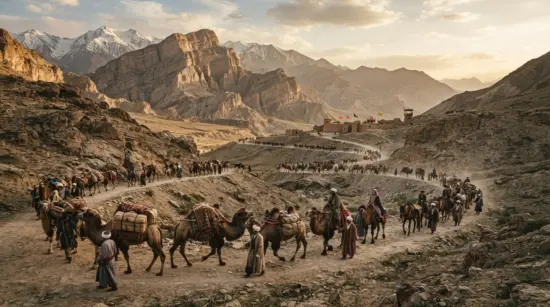
Introduction to Historical Monuments
Historical monuments have been a part of human civilization for centuries, serving as a testament to the achievements, struggles, and cultural heritage of our ancestors. These structures, whether grand or humble, have played a significant role in shaping the course of history and continue to inspire wonder and awe in people from all over the world. From ancient temples and tombs to modern memorials and museums, historical monuments are a window into the past, offering a glimpse of the lives, traditions, and values of bygone eras.
Throughout history, monuments have been constructed to commemorate important events, honor notable figures, and showcase artistic and architectural innovations. They have also been used to convey social, political, and religious messages, often reflecting the values and aspirations of the societies that built them. As such, historical monuments are not only remarkable examples of human ingenuity and creativity but also valuable resources for understanding the complexities and nuances of the past.
The Significance of Historical Monuments
Historical monuments hold immense cultural, historical, and educational significance, making them an integral part of our shared heritage. They provide a tangible connection to the past, allowing us to learn from the experiences, achievements, and mistakes of previous generations. By studying and preserving these monuments, we can gain a deeper understanding of the social, economic, and political contexts in which they were built, as well as the cultural and artistic traditions that shaped their design and construction.
Moreover, historical monuments have the power to inspire and educate, fostering a sense of national pride, community identity, and cultural awareness. They can also serve as a catalyst for tourism, economic development, and urban renewal, as people from around the world travel to visit and experience these iconic structures. The preservation and protection of historical monuments are, therefore, essential for maintaining our cultural heritage and promoting cross-cultural understanding and exchange.
Types of Historical Monuments
Historical monuments can be broadly categorized into several types, each reflecting a distinct aspect of human history and culture. Some of the most common types of historical monuments include:
- Archaeological sites, such as ancient cities, temples, and tombs, which provide valuable insights into the lives and traditions of ancient civilizations.
- Memorials and mausoleums, which honor notable figures, events, and tragedies, serving as a reminder of the past and its significance.
- Historic buildings and landmarks, such as palaces, castles, and bridges, which showcase architectural innovations and artistic expression.
- Museums and cultural centers, which collect, preserve, and exhibit artifacts, artworks, and historical objects, offering a window into the cultural and social contexts of the past.
- Monumental sculptures and statues, which commemorate important events, figures, and ideals, often reflecting the values and aspirations of the societies that created them.
Preservation and Conservation of Historical Monuments
The preservation and conservation of historical monuments are crucial for maintaining their integrity, authenticity, and cultural significance. This involves a range of activities, from routine maintenance and repair to extensive restoration and rehabilitation projects. The goal of preservation and conservation efforts is to protect historical monuments from the ravages of time, human neglect, and environmental degradation, ensuring their survival for future generations.
Preservation and conservation strategies may include measures such as:
- Protecting monuments from natural disasters, pollution, and climate change.
- Preventing vandalism, looting, and other forms of human damage.
- Implementing sustainable tourism practices to minimize the impact of visitor traffic.
- Developing and enforcing laws, regulations, and international agreements to safeguard cultural heritage.
- Supporting community engagement, education, and outreach programs to promote cultural awareness and appreciation.
By adopting a comprehensive and multidisciplinary approach to preservation and conservation, we can ensure the long-term survival of historical monuments and the cultural heritage they represent.
Challenges and Threats to Historical Monuments
Despite their cultural and historical significance, historical monuments face numerous challenges and threats, including:
- Natural disasters, such as earthquakes, floods, and hurricanes, which can cause irreparable damage to monuments and their surroundings.
- Human activities, such as urbanization, industrialization, and tourism, which can lead to pollution, degradation, and destruction of historical sites.
- Climate change, which can cause erosion, deterioration, and loss of cultural heritage.
- Conflict and war, which can result in the deliberate destruction of historical monuments and cultural artifacts.
- Lack of funding, resources, and expertise, which can hinder preservation and conservation efforts.
Addressing these challenges and threats requires a concerted effort from governments, international organizations, local communities, and individuals to protect and preserve historical monuments for future generations.
Conclusion
In conclusion, historical monuments are a vital part of our shared cultural heritage, offering a unique window into the past and its significance. By understanding, preserving, and protecting these monuments, we can promote cross-cultural awareness, education, and exchange, while also fostering a sense of national pride, community identity, and cultural appreciation. As we move forward in an increasingly complex and interconnected world, it is essential that we prioritize the preservation and conservation of historical monuments, ensuring their survival for generations to come.
Frequently Asked Questions
What is the importance of historical monuments?
Historical monuments are important because they provide a tangible connection to the past, allowing us to learn from the experiences, achievements, and mistakes of previous generations. They also serve as a catalyst for tourism, economic development, and urban renewal, while fostering a sense of national pride, community identity, and cultural awareness.
How can we preserve and conserve historical monuments?
Preservation and conservation of historical monuments involve a range of activities, from routine maintenance and repair to extensive restoration and rehabilitation projects. This may include protecting monuments from natural disasters, pollution, and climate change, as well as preventing vandalism, looting, and other forms of human damage.
What are some common threats to historical monuments?
Historical monuments face numerous challenges and threats, including natural disasters, human activities, climate change, conflict and war, and lack of funding, resources, and expertise. These threats can cause irreparable damage to monuments and their surroundings, highlighting the need for concerted efforts to protect and preserve cultural heritage.
Why is it essential to protect historical monuments?
Protecting historical monuments is essential because they are a vital part of our shared cultural heritage, offering a unique window into the past and its significance. By preserving and conserving these monuments, we can promote cross-cultural awareness, education, and exchange, while also fostering a sense of national pride, community identity, and cultural appreciation.