Unveiling the Mysteries of Ancient Cities
Ancient cities have long been a subject of fascination for historians, archaeologists, and the general public alike. These cities, often hidden deep within the sands of time, hold the secrets of bygone eras, revealing the triumphs and tribulations of our ancestors. From the majestic ruins of Petra to the mysterious temples of Angkor Wat, each ancient city has its own unique story to tell. In this article, we will delve into the world of 17 ancient cities, exploring their histories, cultures, and the factors that led to their rise and fall.
The Cradle of Civilization
The ancient cities of Mesopotamia, such as Ur and Babylon, are often regarded as the cradle of civilization. These cities, situated in present-day Iraq, were the birthplace of writing, governance, and urban planning. The Sumerians, Akkadians, and Babylonians all made significant contributions to the development of human society, leaving behind a legacy of laws, literature, and architecture. The Hanging Gardens of Babylon, one of the Seven Wonders of the Ancient World, is a testament to the ingenuity and craftsmanship of these ancient civilizations.
Cities of the Indus Valley
The Indus Valley Civilization, which flourished in present-day Pakistan and northwestern India, is known for its sophisticated urban planning and architecture. Cities like Mohenjo-Daro and Harappa were built with advanced drainage systems, public baths, and granaries, demonstrating a high level of civic organization and engineering expertise. The discovery of these cities has provided valuable insights into the lives of the people who lived there, including their social hierarchies, trade networks, and cultural practices.
The Glory of Ancient Egypt
Ancient Egypt, with its majestic pyramids, temples, and tombs, is one of the most fascinating civilizations in human history. Cities like Thebes, Alexandria, and Memphis were centers of learning, art, and culture, attracting scholars, merchants, and travelers from all over the ancient world. The Egyptians made significant contributions to mathematics, medicine, and astronomy, and their architectural achievements continue to inspire wonder and awe. The Great Pyramid of Giza, the only surviving structure of the Seven Wonders of the Ancient World, is a testament to the engineering prowess and artistic vision of the ancient Egyptians.
The Rise and Fall of Ancient Greece
Ancient Greece, with its city-states like Athens, Sparta, and Corinth, was the birthplace of democracy, philosophy, and theater. The Greeks made significant contributions to the arts, sciences, and politics, leaving behind a legacy of iconic buildings, sculptures, and literary works. The Parthenon, the Acropolis, and the Theater of Dionysus are just a few examples of the many architectural wonders that dot the Greek landscape. However, the city-states of Greece were also plagued by wars, political instability, and economic decline, ultimately leading to their downfall.
The Mysteries of Ancient China
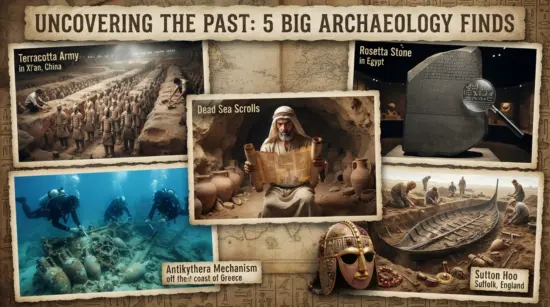
Ancient China, with its vast territories, diverse cultures, and complex histories, is a treasure trove of archaeological and historical discoveries. Cities like Xi’an, Luoyang, and Nanjing were centers of power, learning, and culture, with the Silk Road connecting them to the rest of the ancient world. The Terracotta Army, the Great Wall, and the Forbidden City are just a few examples of the many iconic landmarks that showcase the ingenuity, craftsmanship, and grandeur of ancient Chinese civilization.
The Lost Cities of the Americas
The ancient cities of the Americas, such as Machu Picchu, Chichen Itza, and Tikal, are a testament to the sophistication and diversity of pre-Columbian cultures. These cities, built by the Incas, Mayans, and Aztecs, were centers of trade, learning, and spirituality, with advanced knowledge of astronomy, mathematics, and engineering. The discovery of these cities has provided valuable insights into the lives of the people who lived there, including their social hierarchies, mythologies, and cultural practices.
The Legacy of Ancient Cities
The ancient cities of the world have left behind a rich legacy of cultural, scientific, and architectural achievements. From the pyramids of Egypt to the temples of Angkor Wat, these cities have inspired wonder, awe, and curiosity in people for centuries. They have also provided valuable lessons in urban planning, governance, and sustainability, as we strive to build better cities for the future. As we continue to explore and learn from these ancient cities, we are reminded of the importance of preserving our cultural heritage and protecting our historical sites for future generations.
FAQs
What are some of the most famous ancient cities in the world?
Some of the most famous ancient cities in the world include Petra, Angkor Wat, Machu Picchu, Pompeii, and Babylon. These cities are known for their stunning architecture, rich cultural heritage, and historical significance.
What were some of the key factors that led to the rise and fall of ancient cities?
Some of the key factors that led to the rise and fall of ancient cities include geographical location, trade networks, political stability, economic prosperity, and environmental factors. Cities that were strategically located, had strong trade networks, and stable governments were more likely to thrive, while those that were vulnerable to natural disasters, wars, and economic decline were more likely to decline.
How have ancient cities contributed to our understanding of human history and culture?
Ancient cities have contributed significantly to our understanding of human history and culture, providing valuable insights into the lives of our ancestors, their social hierarchies, cultural practices, and technological achievements. The study of ancient cities has also helped us to appreciate the diversity and complexity of human societies, and to learn from their successes and failures.
What can we learn from the architecture and urban planning of ancient cities?
We can learn a great deal from the architecture and urban planning of ancient cities, including the importance of sustainability, community engagement, and cultural sensitivity. Many ancient cities were built with advanced drainage systems, public spaces, and green areas, demonstrating a high level of civic organization and engineering expertise. These examples can inspire us to build better cities for the future, with a focus on environmental sustainability, social equity, and cultural heritage.
Conclusion
In conclusion, the ancient cities of the world are a testament to the ingenuity, creativity, and perseverance of our ancestors. From the majestic ruins of Petra to the mysterious temples of Angkor Wat, each city has its own unique story to tell, revealing the triumphs and tribulations of human societies throughout history. As we continue to explore and learn from these ancient cities, we are reminded of the importance of preserving our cultural heritage, protecting our historical sites, and building better cities for the future. By studying the rise and fall of ancient cities, we can gain valuable insights into the complexities of human history and culture, and appreciate the diversity and richness of our global heritage.