Introduction to Great Civilizations
Throughout history, numerous civilizations have risen to greatness, leaving behind a legacy that continues to inspire and influence modern society. From the ancient Egyptians to the modern-day Americans, each civilization has made significant contributions to the world, shaping the course of human history. In this article, we will delve into the world of great civilizations, exploring their achievements, cultural practices, and the factors that contributed to their rise and fall.
Characteristics of Great Civilizations
So, what makes a civilization great? While there is no definitive answer, there are certain characteristics that are common among the most successful civilizations. These include a strong system of government, a vibrant culture, and a high level of technological advancement. Great civilizations are also often marked by a sense of curiosity and a desire to explore and discover new things.
A strong system of government is essential for a civilization to thrive. This can take many forms, from a monarchical system to a democratic one. The key is to have a system that is fair, just, and able to provide for the needs of its citizens. A vibrant culture is also crucial, as it provides a sense of identity and community for the people. This can include things like art, music, literature, and architecture.
Technological Advancements
Technological advancements have played a significant role in the development of great civilizations. The ability to harness and utilize new technologies has allowed civilizations to grow and expand, often at a rapid pace. For example, the ancient Egyptians were able to build massive pyramids and temples using advanced engineering techniques. Similarly, the ancient Greeks made significant contributions to the field of mathematics and science, laying the foundations for many modern technological advancements.
Some of the most significant technological advancements in history include the development of the wheel, the invention of the printing press, and the discovery of electricity. These innovations have had a profound impact on human society, allowing for greater mobility, communication, and access to information.
Examples of Great Civilizations
There have been many great civilizations throughout history, each with its own unique characteristics and achievements. Some examples include:
- Ancient Egypt: Known for its pyramids, mummies, and pharaohs, ancient Egypt was a major power in the ancient world.
- Ancient Greece: This civilization made significant contributions to the fields of philosophy, theater, and democracy, and is often credited with laying the foundations for Western culture.
- Ancient Rome: The Roman Empire was a vast and powerful civilization that stretched from Britain to Egypt, and is known for its engineering feats, military prowess, and system of law.
- China: With a history dating back over 3,000 years, China is one of the oldest civilizations on earth, and has made significant contributions to the fields of science, technology, and philosophy.
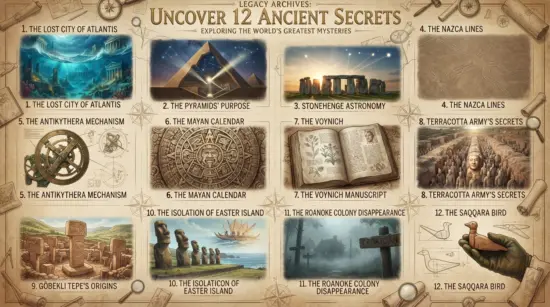
- Maya: The Maya civilization was a complex and sophisticated society that flourished in Mesoamerica, and is known for its advanced knowledge of astronomy and mathematics.
Cultural Practices and Traditions
Each of these civilizations has its own unique cultural practices and traditions. For example, the ancient Egyptians believed in an afterlife, and developed a complex system of mummification and burial rituals. The ancient Greeks, on the other hand, placed a strong emphasis on theater and the arts, and developed a system of democracy that is still studied today.
The Chinese civilization has a rich cultural heritage, with a strong emphasis on family, respect for authority, and a deep appreciation for nature. The Maya civilization was known for its advanced knowledge of astronomy, and developed a complex system of calendars and astronomical observations.
The Rise and Fall of Great Civilizations
So, what causes a great civilization to rise to power, and what leads to its eventual decline? There are many factors that can contribute to the rise and fall of a civilization, including environmental factors, economic conditions, and political stability.
A civilization that is able to adapt to its environment and harness its resources is more likely to thrive. For example, the ancient Egyptians were able to build a powerful civilization along the Nile River, which provided a reliable source of food and water. The ancient Greeks, on the other hand, were able to develop a strong maritime trade, which allowed them to accumulate wealth and expand their influence.
Factors that Contribute to Decline
There are many factors that can contribute to the decline of a great civilization. These include environmental degradation, economic instability, and political instability. For example, the ancient Maya civilization is believed to have declined due to a combination of environmental factors, including deforestation and drought. The Roman Empire, on the other hand, declined due to a combination of economic and political factors, including corruption, mismanagement, and external pressures.
Other factors that can contribute to the decline of a civilization include war, disease, and social unrest. For example, the Black Death, which swept through Europe in the 14th century, had a devastating impact on the population and economy of the continent. Similarly, the conquests of Genghis Khan and the Mongol Empire had a profound impact on the civilizations of Asia and Europe.
Conclusion
In conclusion, great civilizations have played a significant role in shaping the course of human history. From the ancient Egyptians to the modern-day Americans, each civilization has made significant contributions to the world, and has left behind a legacy that continues to inspire and influence modern society. By studying the characteristics, achievements, and cultural practices of these civilizations, we can gain a deeper understanding of the factors that contribute to their rise and fall, and can learn valuable lessons about how to build a strong and sustainable society.
Frequently Asked Questions
What is a great civilization?
A great civilization is a society that has made significant contributions to the world, and has had a profound impact on human history. This can include things like technological advancements, cultural achievements, and political or economic innovations.
What are some examples of great civilizations?
Some examples of great civilizations include ancient Egypt, ancient Greece, ancient Rome, China, and the Maya. Each of these civilizations has its own unique characteristics and achievements, and has made significant contributions to the world.
What causes a great civilization to rise to power?
A great civilization is often able to rise to power due to a combination of factors, including environmental advantages, economic stability, and political leadership. For example, the ancient Egyptians were able to build a powerful civilization along the Nile River, which provided a reliable source of food and water.
What leads to the decline of a great civilization?
There are many factors that can contribute to the decline of a great civilization, including environmental degradation, economic instability, and political instability. Other factors that can contribute to decline include war, disease, and social unrest.