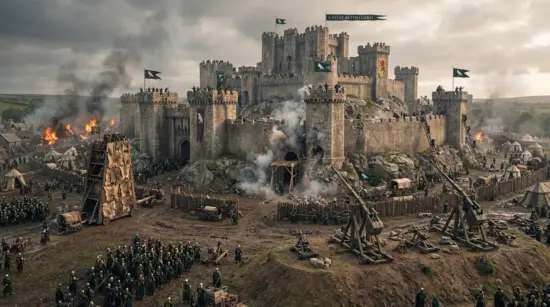
Ancient Warriors: The Brave Fighters of the Past
Ancient warriors have always fascinated people with their bravery, strength, and combat skills. From the fearless Viking raiders to the disciplined Roman legionnaires, these warriors played a crucial role in shaping the course of history. Their stories, tactics, and legends have been passed down through the ages, inspiring generations of soldiers, historians, and enthusiasts alike. In this article, we will delve into the world of ancient warriors, exploring their history, culture, and significance.
The Early Warriors
The earliest recorded evidence of warfare dates back to the Mesolithic era, around 10,000 years ago. During this period, small tribes and clans clashed over resources, territory, and survival. As civilizations developed, so did the art of warfare. The ancient Sumerians, Egyptians, and Babylonians all had well-organized armies, with infantry, archers, and cavalry. These early warriors were often motivated by a desire to protect their families, communities, and gods.
One of the most notable ancient warriors was the Greek hoplite. Armed with a long spear and shield, these heavily armored infantrymen formed the backbone of the Greek city-state armies. Their phalanx formation, where soldiers stood shoulder-to-shoulder, proved nearly impenetrable on the battlefield. The Greeks also developed the concept of the “hero,” a legendary warrior who embodied the values of courage, honor, and martial prowess.
The Roman Legionnaires
The Roman legionnaires were perhaps the most disciplined and organized ancient warriors. With their distinctive helmets, shields, and swords, they conquered much of the known world, leaving a lasting legacy in law, architecture, and governance. Roman soldiers were trained to follow orders without question, to work together as a cohesive unit, and to adapt to different combat situations. Their engineering skills, which enabled them to build roads, bridges, and fortifications, were also crucial to their military success.
Roman legionnaires were divided into different ranks, with the centurions serving as senior officers. These experienced soldiers were responsible for leading their troops into battle, making tactical decisions, and maintaining discipline within the ranks. The Roman legionnaires’ most famous tactic was the testudo, or “tortoise,” formation, where soldiers formed a tight shield wall to protect themselves from enemy projectiles.
The Warrior Cultures of Asia
Ancient Asia was home to a diverse array of warrior cultures, each with its unique traditions, values, and martial arts. The Japanese samurai, with their elegant swords and honor-bound code of conduct, are perhaps the most famous. These warriors were trained in the art of bushido, which emphasized loyalty, discipline, and self-sacrifice. Samurai were also expected to be well-versed in literature, poetry, and philosophy, reflecting the cultural sophistication of Japanese society.
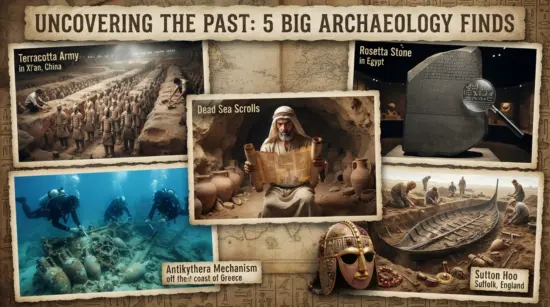
In India, the ancient Vedic warriors were known for their skill in archery and hand-to-hand combat. The Indian epic, the Mahabharata, tells the story of a great war between rival clans, with heroes like Arjuna and Bhima showcasing their martial prowess. The Indian warrior caste, the Kshatriyas, were responsible for protecting their communities and upholding the social order. Chinese warriors, such as the Terracotta Army, were famous for their discipline, organization, and advanced weaponry.
The Viking Raiders
The Viking warriors of Northern Europe were feared for their lightning-fast raids, brutal combat tactics, and seafaring skills. These Norsemen were motivated by a desire for plunder, glory, and adventure, often targeting monasteries, towns, and trade routes. Viking warriors were organized into small, flexible units, with a chieftain or leader guiding their actions. They were skilled in hand-to-hand combat, using swords, axes, and shields to devastating effect.
Viking culture placed a strong emphasis on honor, loyalty, and courage. Their legendary heroes, such as Ragnar Lothbrok and Leif Erikson, embodied these values, inspiring generations of Viking warriors to follow in their footsteps. The Vikings also developed a sophisticated system of laws, governance, and social hierarchy, which helped to maintain order and stability within their communities.
The Legacy of Ancient Warriors
The ancient warriors have left an enduring legacy in modern society. Their tactics, strategies, and values continue to influence military training, tactics, and culture. The concept of the “warrior code,” with its emphasis on honor, loyalty, and discipline, remains a powerful ideal, inspiring soldiers and civilians alike. The study of ancient warfare also provides valuable insights into the nature of human conflict, the importance of leadership, and the impact of technology on society.
Ancient warriors have also had a profound impact on popular culture, with films, literature, and art often drawing inspiration from their stories and legends. From the epic poems of Homer to the blockbuster movies of Hollywood, the ancient warriors continue to captivate audiences around the world. Their bravery, skill, and sacrifice serve as a reminder of the importance of courage, perseverance, and selflessness in the face of adversity.
Frequently Asked Questions
Who were the most famous ancient warriors?
Some of the most famous ancient warriors include the Greek hero Achilles, the Roman general Julius Caesar, the Japanese samurai Miyamoto Musashi, and the Viking warrior Ragnar Lothbrok. These legendary figures have been immortalized in literature, art, and popular culture, inspiring generations of people with their bravery, skill, and leadership.
What were the most important ancient warrior cultures?
The most important ancient warrior cultures include the Greek city-states, the Roman Empire, the Japanese samurai, the Indian Vedic warriors, and the Viking raiders. Each of these cultures developed unique traditions, values, and martial arts, reflecting their distinct historical, social, and geographical contexts.
What were the key tactics and strategies used by ancient warriors?
Ancient warriors employed a wide range of tactics and strategies, including the phalanx formation, the testudo formation, archery, hand-to-hand combat, and siege warfare. They also developed sophisticated systems of logistics, communication, and intelligence, which enabled them to adapt to different combat situations and outmaneuver their enemies.
How did ancient warriors impact modern society?
Ancient warriors have had a profound impact on modern society, influencing military training, tactics, and culture. Their values, such as honor, loyalty, and discipline, continue to inspire soldiers and civilians alike. The study of ancient warfare also provides valuable insights into the nature of human conflict, the importance of leadership, and the impact of technology on society.
Conclusion
In conclusion, ancient warriors were the brave fighters of the past, who shaped the course of history with their bravery, strength, and combat skills. From the fearless Viking raiders to the disciplined Roman legionnaires, these warriors developed unique traditions, values, and martial arts, reflecting their distinct historical, social, and geographical contexts. Their legacy continues to inspire and influence modern society, reminding us of the importance of courage, perseverance, and selflessness in the face of adversity. By studying the ancient warriors, we can gain a deeper understanding of human conflict, leadership, and the impact of technology on society, as well as appreciate the enduring power of their stories and legends.