The Ultimate Guide to Collectible Vintage Room Setups: Timeless Aesthetics for the Modern Home
In an age of mass production and flat-pack furniture, the quest for individuality has driven a powerful resurgence of collectible vintage room setups. Far from feeling outdated, a home curated with vintage finds exudes a soulfulness, character, and history that sterile, modern showrooms often lack . Whether you are a seasoned antiques hunter or a novice decorator, creating a vintage-inspired space is not about replicating a museum; it is about weaving a narrative that blends the old with the new to achieve a cozy, inviting, and stylish sanctuary.
This guide will walk you through the philosophy of vintage decor, practical steps to source authentic pieces, common pitfalls to avoid, and specific design strategies to help you achieve that elusive “collected over time” look.
Understanding Vintage vs. Retro: The Foundation of Authenticity
Before diving into decor, it is crucial to distinguish between “vintage” and “retro,” as this defines the authenticity of your setup. A true vintage room utilizes authentic, original pieces from a specific era (typically 20 to 100 years old) . These items carry natural patina, wear, and tear that cannot be faked. In contrast, a retro room is often modern-made, designed specifically to mimic the style of past decades (like the 1950s or 1970s) .
For a genuine “collectible” setup, the goal is authenticity. You are looking for the actual 1920s Art Deco mirror, the mid-century credenza, or the 19th-century trunk, not just a reproduction.
The Core Elements of a Vintage Room Setup
To achieve a harmonious look, you must balance texture, color, and furniture. Here are the essential components that define a successful vintage aesthetic.
1. The Power of “The Hunt”: Sourcing Key Furniture Pieces
The cornerstone of any vintage room is the furniture. The goal is to find statement pieces that act as anchors for the room.
- The Anchor Piece: Look for heavy, quality woods or distinct silhouettes. An antique wooden coffee table with visible grain or a beautifully worn leather trunk repurposed as a centerpiece can transform a living room . In the bedroom, a wrought iron bed frame or a heavy wooden armoire serves as the focal point .
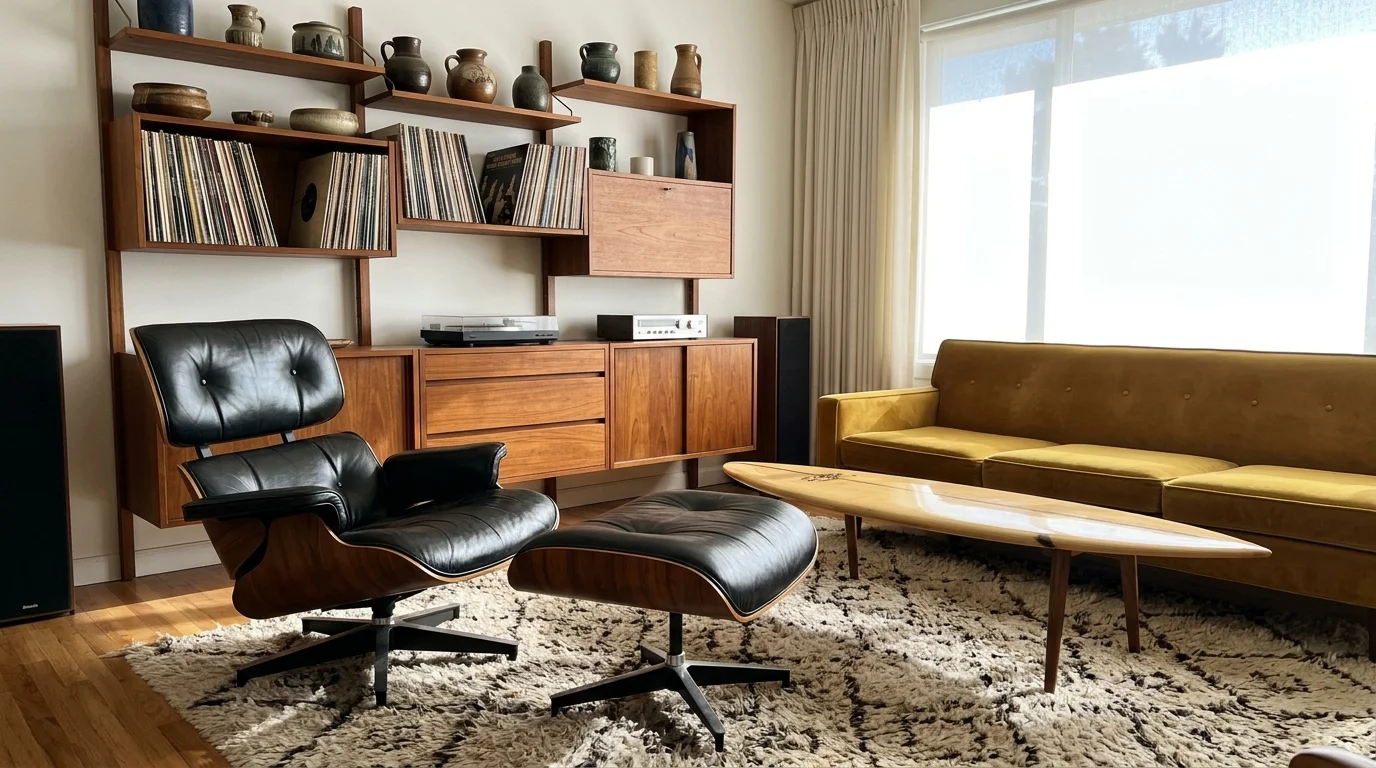
- Mixing Eras: Do not feel confined to one decade. A mid-century teak sideboard pairs beautifully with a Victorian gilded mirror. The key to cohesion is ensuring the wood tones or metal finishes complement rather than clash .
- Avoid “Sets”: One of the fastest ways to make a vintage room look “dated” (rather than intentionally styled) is to buy matching furniture sets. A curated look requires mixing different woods, stains, and styles to create visual interest .
2. Layering Textiles: Rugs, Cushions, and Throws
Textiles are the soft layer that brings warmth to hard vintage surfaces. They should look lived-in and slightly faded, as if they have existed in the space for decades.
- Layering Rugs: A quintessential vintage trick is layering rugs. Start with a large, neutral base like a sisal or jute rug for texture. Then, layer a smaller, vibrant Persian or Kilim rug on top to inject pattern and color .
- Fabrics and Patterns: Embrace florals, plaids, and stripes. For a romantic vibe, mix large floral prints with smaller “ditsy” prints or stripes on cushions and curtains . Fabrics like lace, velvet, and chunky knits add tactile depth. However, be cautious of specific fabrics like crushed velvet, which can sometimes lean dated rather than vintage-chic .
3. Creating Ambiance with Lighting
Vintage setups rely heavily on mood. Harsh, single-source overhead lighting is the enemy of a cozy vintage room .
- Layered Lighting: You need multiple light sources. Use vintage table lamps with fabric shades, floor lamps that arc over sofas, and wall sconces to create pools of soft light .
- The Glow: Look for lamps that emit a warm, amber glow (2700K-3000K). This warmth flatters wood grain and makes the room feel like a retreat .
- Functionality: Repurpose vintage industrial lamps for office spaces or add a crystal chandelier to the bedroom for a touch of glamour .
4. Walls That Tell a Story
Empty walls are a missed opportunity in vintage design.
- Gallery Walls: Avoid buying new, matching frames. Instead, curate a mix of thrifted frames, old botanical prints, faded black-and-white photographs, and vintage mirrors. Do not be afraid to spray paint mismatched frames a single color for cohesion, or leave them in their original worn finishes for an eclectic feel .
- Depth with Mirrors: Hanging a large, ornate vintage mirror is a practical trick. It reflects light, adds depth to small rooms, and acts as an art piece itself .
Color Psychology and Palette Selection
Color dictates the era and mood of your vintage room.
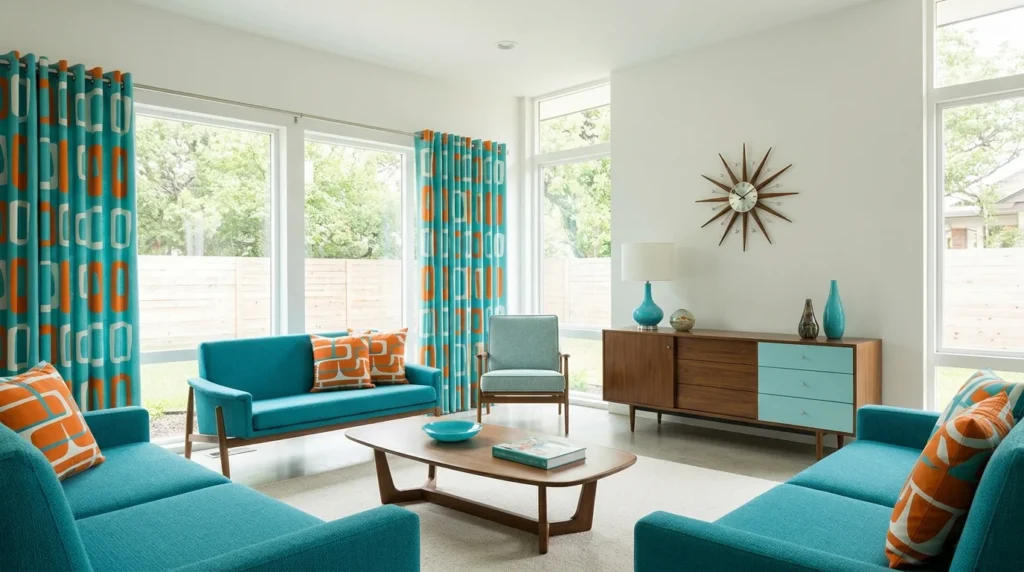
- The Palette: Historically accurate vintage palettes often rely on faded pastels (dusty pink, ice blue, mint green) or rich, moody tones (olive green, mustard yellow, burnt orange) .
- Modern Application: To keep the room from feeling like a cave, balance dark antique woods with lighter wall colors. For a dramatic, “cocooning” effect, paint the walls a deep green or navy and let the brass and wood accents pop .
- The “Coquette” Trend: For a softer, feminine take, modern vintage enthusiasts often utilize the “Coquette” or “LoveShackFancy” aesthetic, which relies heavily on pastels, lace, and ribbon details, mixing sweet vintage accessories with modern comfort .
Avoiding Common Vintage Design Mistakes
Creating a collected look is a skill. Here is how to avoid making your home feel like a dusty thrift store rather than a stylish haven.
- Mistake 1: Over-Cluttering. Just because it is vintage doesn’t mean it all needs to be on display. Use the “Rule of Three” for materials (e.g., wood, metal, and glass only) to keep the visual field clean . Let your statement pieces breathe.
- Mistake 2: Ignoring Ergonomics. Old furniture can be uncomfortable. Pair a hard vintage settee with plush, modern cushions. Ensure desks are at the right height for working, or use adjustable chairs to preserve your posture .
- Mistake 3: Forced Theming. Avoid “period rooms” (e.g., a room that looks exactly like 1952). Your home should reflect today. Mix in modern art or a contemporary sofa to ground the vintage pieces in the present .
Room-by-Room Breakdown
The Living Room
Focus on the focal point. If you have a modern TV, balance it with a vintage media console. Use old suitcases stacked as side tables and plenty of textured cushions on the sofa. Brass accessories like candlesticks add a warm gleam .
The Bedroom
Create a romantic retreat. Up-cycle old furniture with new knobs or a lick of chalk paint (distressed finish). Use patchwork quilts and lace-trimmed linens. A dressing table displaying vintage perfume bottles adds daily glamour .
The Dining Room
If floors are dated, a large vintage rug covers all sins. Mix and match dining chairs (two vintage ladderbacks on the ends, modern upholstered on the sides). A vintage credenza is essential for storage and display .
Maintenance and Sustainability
One of the greatest benefits of collectible vintage setups is sustainability. By reusing existing furniture, you reduce waste . However, maintenance is key. Clean antique textiles professionally, lightly sand wood to preserve the patina (rather than stripping it entirely), and ensure humidity levels are stable to prevent cracking .
Conclusion
A collectible vintage room setup is an antidote to fast furniture. It is a slow, intentional process of layering history, texture, and color. By mixing authentic antique furniture with soft textiles, layered lighting, and personal keepsakes, you create a space that is not just designed but deeply lived-in. Whether you prefer the “coquette” pastels or the “mid-century” minimalist lines, the goal remains the same: to build a home that tells your unique story, one treasure at a time.
Frequently Asked Questions (FAQs)
Q1: How do I mix vintage pieces with a modern sofa without it looking weird?
A: Balance is key. Use the vintage piece as the accent (like a side table or coffee table) rather than the main seating. Ensure the wood tone of the vintage piece is echoed in another small accessory in the room (like a picture frame) to create a visual bridge .
Q2: Is it okay to paint old wood furniture?
A: Yes, but proceed with caution. If the wood is high-quality or a rare species, painting it can destroy its value. However, if the piece is damaged or common (like 1980s oak), a high-quality chalk or mineral paint can give it new life in a vintage color palette .
Q3: How do I make my rental apartment look vintage without renovations?
A: Focus on removable items. Use peel-and-stick wallpaper for accent walls, layer rugs over ugly carpet, swap out light fixtures (keep the old ones to reinstall), and use furniture (like a vintage armoire) to hide ugly built-ins .
Q4: How do I stop my vintage room from looking too dark or gloomy?
A: Lighting is your solution. Aim for ambient light levels of 300-500 lux. Use mirrors strategically to reflect light from windows. Introduce white or cream textiles (curtains, throws) to brighten dark corners without losing the vintage feel .
Q5: Can I mix different historical periods in one room?
A: Absolutely. The trick is to find a common thread, usually material or color. For example, keep the metal finishes consistent (all brass or all iron) or keep the color palette unified so the eras blend seamlessly .