Antique Object Market Trends 2026: A Complete Guide to Rising Values and Collector Preferences
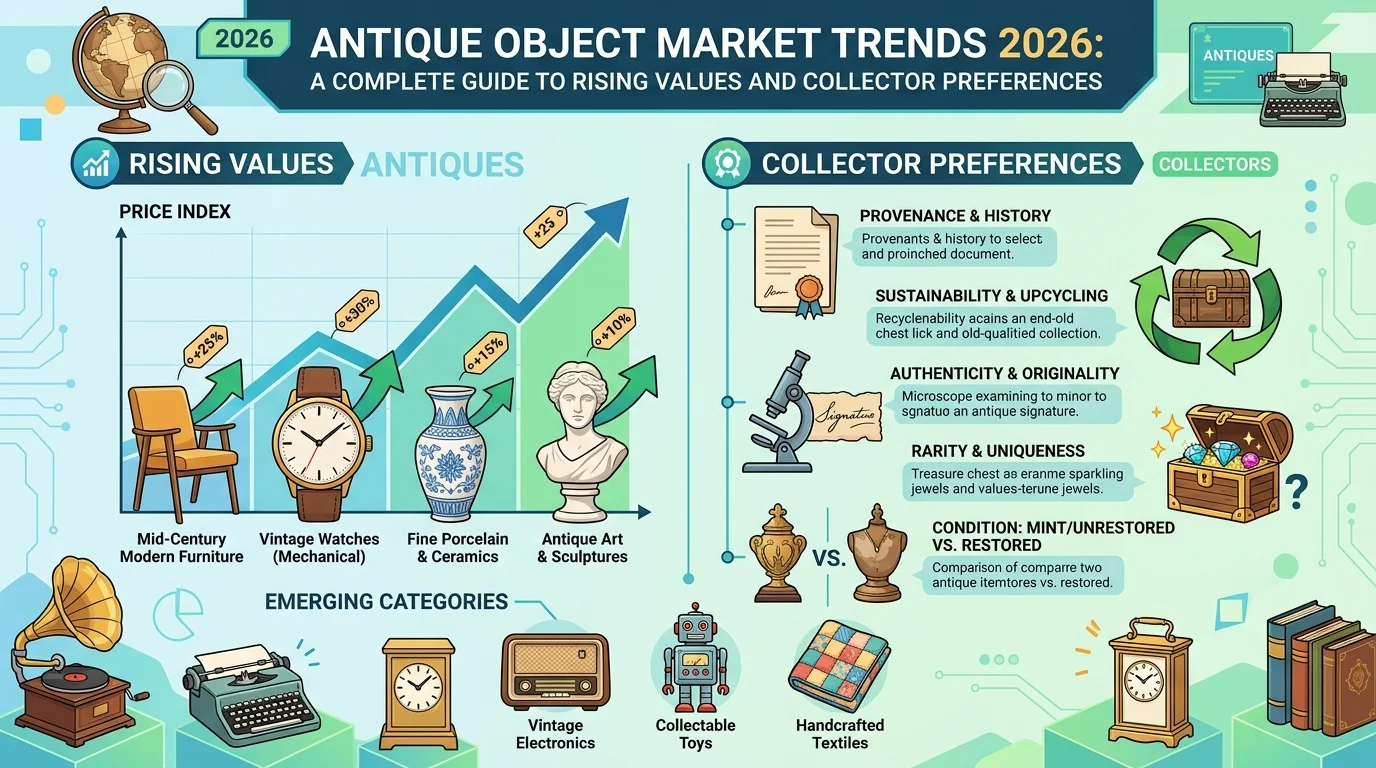
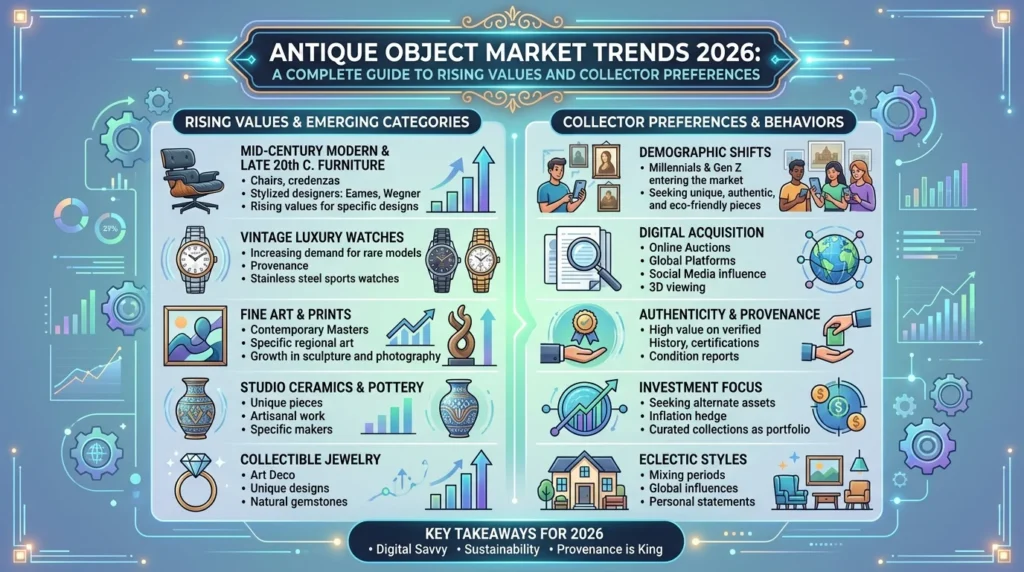
The antique object market is undergoing a remarkable transformation in 2026, shaped by shifting collector demographics, evolving interior design preferences, and a renewed appreciation for craftsmanship and provenance. After two years of correction following the pandemic-era speculative buying surge, the market has entered what experts describe as a “more rational and more discerning phase” . Collectors are increasingly prioritizing rarity, cultural value, and ownership history over speculative investments. This comprehensive guide examines the most significant antique object market trends for 2026, identifies which categories are gaining value, and provides actionable insights for both sellers and buyers navigating this dynamic landscape.
Global Market Overview and Size
The global antiques and collectibles market demonstrated robust health in 2025, reaching a valuation of 150.2billion[citation:4].Marketanalystsprojectcontinuedgrowth,withexpectationsofreaching156.3 billion in 2026 and $229.7 billion by 2035, representing a compound annual growth rate of 4.4% . North America remains the largest market, while the Asia-Pacific region is emerging as the fastest-growing area, driven by increasing wealth and expanding collector bases in countries such as India, Japan, and China . The Knight Frank Luxury Investment Index fell by a marginal 0.4% in 2025, signaling stabilization after significant corrections across several luxury asset classes . This stabilization indicates that the market is moving away from pandemic-era speculative buying toward more sustainable, value-driven collecting.
Key Market Drivers in 2026
Several interconnected factors are driving current antique object market trends. The shift of physical assets toward “blue chip” alternative investments is a primary driver, with high-net-worth individuals increasingly viewing rare assets as hedges against stock market volatility and inflationary pressures . The “passion investment” phenomenon provides additional support, as the emotional and historical significance attached to collectibles pushes prices beyond standard valuation methods . Collectors are increasingly focused on building collections that reflect personal legacy and social status within global elite circles.
Younger collectors are reshaping the market landscape. Millennials and Generation Z are entering collecting categories that resonate with their digital-native sensibilities, including high-end sneakers, vintage watches, and pop culture memorabilia . These younger buyers track market sentiment online and approach collectibles as speculative investments. Fractional ownership platforms are also gaining traction, driven primarily by investors under 40 who seek access to rare assets across watches, art, and cars without bearing the full cost of ownership .
Sustainability concerns are influencing purchasing behavior as well. Antique furniture and decorative arts are being repositioned as high-quality, environmentally friendly luxury alternatives that emerge from the circular economy . This resonates with ethically conscious consumers who want to reduce their carbon footprint while acquiring distinctive, high-quality possessions.
Top Performing Antique Categories in 2026
Fine Art and Old Masters
Fine art and oil paintings continue to dominate the antique object market, generating approximately 59.9billioninrevenuein2025,withprojectionsreaching88.4 billion by 2035 . The Old Masters segment has experienced a remarkable resurgence, rising 28% in value during 2025 . Early 2026 sales in New York demonstrated this momentum dramatically. A Michelangelo drawing measuring just a few centimeters sold for 27.2million,morethantentimesitshighestimate[citation:6].ARembrandtdrawingachieved17.8 million, setting an absolute record for a drawing by the master . Christie’s New York Old Masters sale generated $54.1 million, the best sales total in this category in New York for over a decade .
The shift toward Old Masters represents a broader market movement away from ultra-contemporary art, which has dropped nearly 40% from its 2019-2022 peak . Collectors are returning to works whose value has never been tied to economic cycles. Even in Hong Kong, Christie’s included an Old Master painting in its evening sale for the first time, achieving $1.3 million for a 17th-century Dutch still life .
Impressionist art was the strongest-performing category in 2025, rising 13.6% during the year, driven by major single-owner sales and standout auction results including Gustav Klimt’s Portrait of Elisabeth Lederer, which achieved $236.4 million . Modern art rose 7.1%, postwar art gained 5.2%, and European Old Masters posted a 1.7% gain .
Vintage Watches
The vintage watch market remains robust, rising 5.1% in 2025 . Strong demand continues for Patek Philippe’s Aquanaut and Nautilus models, with Rolex demonstrating continued resilience . The category has become one of the most closely watched areas in luxury investing, with buyers focusing on recognizable models, condition, and long-term collectability . Auction houses report particularly strong demand for vintage wristwatches from the 1940s to the 1970s, as well as Victorian pocket watches . Rare vintage watches from brands such as Rolex, Omega, and Patek Philippe are becoming increasingly prized, with models featuring unique complications or storied provenance offering both investment potential and artistic heritage .
Nostalgia-Driven Collectibles from 1960s-1990s
A significant trend reshaping the antique object market is the growing demand for vintage toys and pop culture memorabilia from the 1960s through the 1990s . This demand is driven by nostalgia, with collectors seeking items they remember from their youth. Where collectors once focused primarily on pre-war toys, interest has shifted into the plastic era, with vintage Lego sets, Star Wars figures, and 1990s Game Boys routinely outperforming estimated sale prices .
The single most important factor determining resale value for these items is original packaging. “The boxed toy market is still rising, so be sure to check your attics for any old toys that are still in their packaging,” notes antiques dealer James Gooch. “Even things such as He-Man toys are making huge sums” . First-edition Pokemon cards and original Star Wars action figures are commanding particularly strong prices .
Early technology gadgets are also gaining traction. First-generation Apple computers, early mobile phones, and analog cameras from the mid to late twentieth century are increasingly recognized as valuable antiques . Their rarity and historical significance, coupled with the rapid evolution of technology, make them highly desirable to collectors seeking artifacts of past innovation.
Antique and Vintage Jewelry
The jewelry market is experiencing what industry observers call a “vintage moment” in 2026 . Retailers, dealers, and shows are investing heavily in estate and antique jewelry, driven by several converging factors. The “Taylor Swift effect” has drawn attention to vintage-style old-mine brilliant cut diamond engagement rings . The thrifting trend among Gen Z, who prioritize quality over quantity, has led younger buyers to purchase secondhand and vintage jewelry .
Global tariff shifts in 2025 raised primary market prices across handbags, watches, and fine jewelry, reinforcing the resale market’s position . Rebag predicts consumers will increasingly seek Van Cleef & Arpels, Rolex, and Cartier pieces through secondhand marketplaces . Vintage brooches are enjoying particular success, with Pinterest predicting the “brooch aesthetic” will continue to dominate in 2026 .
Strong base metal values have pushed prices up in the jewelry and silver markets, while individual buyers increasingly turn to auctions to source pieces due to soaring mark-ups in traditional retail . Late 19th-century jewelry and Scandinavian enamel pieces are both sought after .
Furniture: Brown Furniture Returns
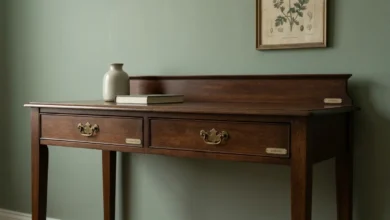
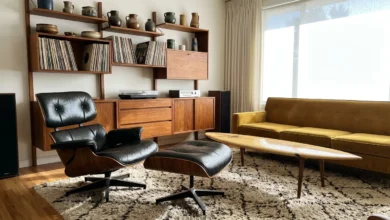
After years in the shadows, brown furniture made from mahogany, walnut, and oak is making a notable return . The painted “shabby chic” style is finally moving on as collectors and interior designers rediscover the warmth and character of well-made antique furniture. Georgian furniture, which tends to feature more delicate design and modest scale, is enjoying a boom in demand as buyers seek pieces that fit into 21st-century homes where space is often at a premium . Mid-20th century pieces, especially from Scandinavian designers, are also highly sought after .
Storage pieces for unfitted kitchens are particularly strong performers. Last year’s market report identified a clear shift in kitchen design away from glossy, fitted cabinetry toward more relaxed, unfitted styles . This trend has driven higher valuations for hefty armoires, sideboards, Welsh dressers, and refectory tables that can serve as kitchen cupboards and islands. Oak, pine, and walnut are leading this charge, with particularly strong demand for pieces featuring rough, farmhouse-style patina .
Wicker and rattan furniture is also trending upward, with 27% of interior designers surveyed by 1stDibs citing it as a leading trend for 2026 . This reflects both the broader move toward natural materials and the continued influence of 1970s revival aesthetics. Curvy, sculptural seating from designers such as Franco Albini is gaining the most value.
Ceramics, Glass, and Studio Pottery
The ceramics and glass market in 2026 emphasizes aesthetics and decorative impact. Signed pre-1945 pieces by René Lalique remain at the pinnacle of collectable glassware, with demand high for original early pieces in good condition . Murano glass from Venice is also trending, with large, colorful vases, bowls, and chandeliers injecting vibrancy into eclectic interiors .
British studio pottery is experiencing a significant revival. While celebrated figures such as Hans Coper, Lucie Rie, and Bernard Leach have entered the fine art world and fetch record-breaking figures at auction, many other studio potters remain undervalued, their works still found in kitchen dressers or overlooked at local markets . Genuine studio pottery almost always includes marks, monograms, or signatures from the potter, usually incised, painted, or stamped onto the base .
The closure of the Moorcroft factory in May 2025 led to a spike in prices, though the brand is now being resurrected . Major European manufacturers such as Meissen continue to attract strong demand, with rarity and aesthetics equally important to today’s collectors .
Regional Market Dynamics
The antique object market varies significantly by region. North America remains the largest market, with New York auction houses generating record-setting Old Masters sales in early 2026 . The Asia-Pacific region is the fastest-growing market, driven by increasing wealth and cultural heritage appreciation . Hong Kong is showing signs of recovery, and Christie’s inclusion of an Old Master painting in its Hong Kong evening sale for the first time signals expanding tastes among Asian collectors .
The United Kingdom remains a significant market, with provincial auction houses reporting expanded buyer bases and international client lists . Keys Auctioneers reports that its quarterly book and ephemera sales now feature over 1,000 lots per sale, making it one of the largest provincial book auctioneers in the country .
Sales Channels: Online vs. Offline
Online channels dominate the antiques and collectibles market by volume, accounting for 67.1% of global market share in 2025 . Digital platforms have expanded market access, improved price transparency, and attracted global buyer participation. However, physical retail distribution remains dominant in the high-end segment because serious collectors rely on in-person inspection to verify condition and authenticity before committing to significant purchases .
Brick-and-mortar auction houses remain the primary price discovery venues for collectibles. The auction format creates a sense of ceremony, exclusivity, and drama that is essential to the prestige of high-end collectibles . Physical auction houses also serve as ultimate arbiters of value and provenance, representing the focal point for the world’s most valuable and culturally significant items.
What Buyers Are Looking For in 2026
Several key characteristics define desirable antiques in the current market. Quality and condition remain constants regardless of fluctuating fashions . However, experts have added an important additional word to the value equation: relevance. Collectors increasingly seek items that fit their lifestyles and homes . Furniture must be of manageable scale for modern spaces, and decorative items must blend with existing interiors.
Authenticity, craftsmanship, and story are commanding the most attention . Buyers are moving away from uniform, mass-produced items toward unique, high-quality character pieces. Provenance has become a premium factor, with collectors showing greater interest in pieces with visible history, patina, and cultural relevance . The record-breaking $10.1 million sale of Jane Birkin’s personal Hermès Birkin bag exemplifies how provenance influences buyer behavior .
Categories Losing Value
Not all antiques are appreciating. Mass-produced collectibles including figurines, collector plates, and Beanie Babies have fallen out of favor . VHS tapes and CDs have little resale value, as do traditional china and crystal sets that lack distinctive characteristics. Common coins, modern sports cards, generic or oversaturated art such as widely reproduced prints, bulky mass-produced furniture, and vintage magazines, newspapers, and encyclopedias are also struggling to find buyers .
Classic cars lost ground in 2025, falling 3.7%, though “halo” models such as the Ferrari F50 remained in strong demand with notable results at major US and European auctions . The handbag category was broadly stable, with Birkin values slipping only 0.2% overall .
Future Outlook Through 2035
The antique object market is projected to reach $229.7 billion by 2035, growing at a CAGR of 4.4% . Several trends will shape this growth. Digital platforms and online auctions will continue expanding global reach and liquidity for antiques and collectibles. Growing interest from younger collectors and diversification-minded buyers, coupled with cultural tourism initiatives, will support long-term market growth .
The structural imbalance between supply and demand for authentic, high-provenance items will persist. As masterpieces in permanent museum collections increase, remaining private collections will naturally appreciate due to increased competition for these rare and precious artifacts . The shift of physical assets toward alternative investments appears durable, with high-net-worth individuals increasingly viewing rare assets as hedges against market volatility.
Frequently Asked Questions (FAQs)
Q1: What antique categories are gaining the most value in 2026?
Fine art, particularly Old Masters and Impressionist works, vintage watches from Rolex and Patek Philippe, nostalgia-driven toys and collectibles from the 1980s and 1990s, antique and vintage jewelry, Georgian and mid-century modern furniture, Murano glass, and British studio pottery are all gaining significant value in 2026 .
Q2: What makes an antique valuable in the current market?
Rarity, condition, provenance (ownership history), cultural significance, and aesthetic appeal that fits contemporary interiors are the primary factors driving value. Relevance to modern lifestyles is increasingly important, particularly for furniture that must fit into 21st-century homes .
Q3: Are mass-produced collectibles still worth anything?
Mass-produced collectibles such as figurines, collector plates, Beanie Babies, and modern sports cards have largely fallen out of favor. These items generally have minimal resale value unless they are extremely rare or have exceptional provenance .
Q4: Is antique furniture making a comeback?
Yes, brown furniture made from mahogany, walnut, and oak is making a notable return. Georgian furniture and mid-century modern pieces from Scandinavian designers are particularly strong performers. Buyers prioritize manageable scale and pieces that fit seamlessly into unfitted kitchen designs .
Q5: How are younger collectors changing the antique market?
Millennials and Gen Z collectors are driving demand for nostalgic items from the 1980s and 1990s, including vintage toys, video game consoles, and early technology gadgets. They are also embracing fractional ownership platforms and showing strong interest in vintage jewelry and watches .
Q6: Where is the best place to sell antiques in 2026?
The best sales channel depends on the item’s value. High-value items typically perform best at established auction houses such as Sotheby’s, Christie’s, or reputable regional auctioneers. Lower-value items may sell successfully on online platforms, though physical auction houses remain the primary price discovery venues for serious collectors .
Q7: What should I not sell from my grandmother’s house?
Do not sell vintage furniture, particularly mid-century modern and Art Deco pieces; gold and silver items; vintage toys with original packaging; authenticated sports memorabilia; original art; designer vintage jewelry; and rare watches. These categories are currently appreciating in value .
Q8: Is the art market recovering in 2026?
Yes, the art market is stabilizing after post-pandemic corrections. Old Masters rose 28% in 2025, Impressionist art gained 13.6%, and modern art rose 7.1%. The shift is toward works with clear history, rarity, and traceability rather than speculative contemporary pieces .