Antique Object Cleaning Methods: Complete Guide to Safe Restoration and Preservation
Introduction
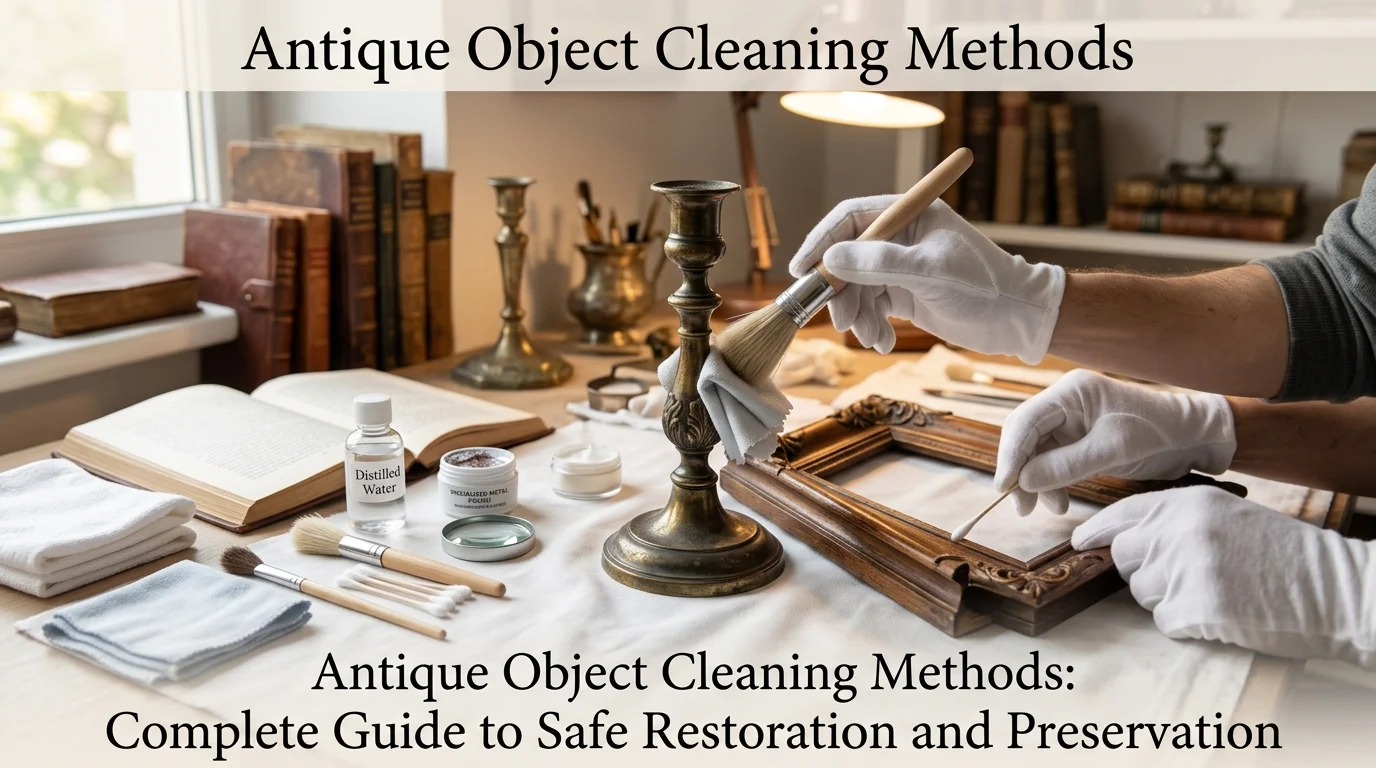
Antique object cleaning methods are essential for preserving the beauty, value, and historical importance of collectible items. Whether you own vintage furniture, ancient coins, old paintings, rare jewelry, historical weapons, ceramic artifacts, or family heirlooms, proper cleaning techniques help maintain their condition without causing irreversible damage.
Many collectors and antique enthusiasts unknowingly reduce the value of their items by using harsh chemicals, abrasive tools, or incorrect restoration procedures. Antique cleaning requires patience, knowledge, and material-specific methods to ensure safe preservation.
This detailed guide explains the best antique object cleaning methods, recommended tools, safe materials, common mistakes, preservation tips, and professional restoration techniques used by museums and experienced collectors.
What Are Antique Object Cleaning Methods?
Antique object cleaning methods refer to specialized techniques used to safely remove dirt, dust, oxidation, stains, mold, and debris from old or historical objects while preserving their original materials and authenticity.
Cleaning methods vary depending on:
- Material type
- Age of the object
- Surface condition
- Historical significance
- Fragility level
Proper cleaning improves appearance while preventing long-term deterioration.
Why Proper Antique Cleaning Matters
Cleaning antiques incorrectly can permanently damage surfaces, reduce collector value, and remove historical patina.
Benefits of Safe Antique Cleaning
| Benefit | Description |
|---|---|
| Preservation | Protects original material |
| Value Protection | Maintains market worth |
| Appearance Improvement | Enhances visual appeal |
| Damage Prevention | Stops corrosion and decay |
| Historical Integrity | Preserves authenticity |
Collectors should always prioritize preservation over making antiques appear brand new.
Essential Antique Cleaning Tools
Using proper tools reduces the risk of scratches and chemical damage.
Recommended Cleaning Tools
| Tool | Purpose |
| Microfiber Cloth | Gentle dust removal |
| Soft Bristle Brush | Cleaning delicate surfaces |
| Cotton Gloves | Preventing oil transfer |
| Distilled Water | Safe moisture cleaning |
| Cotton Swabs | Detail cleaning |
| Museum Wax | Protective finishing |
| Vacuum with Low Suction | Dust removal |
| pH-Neutral Soap | Gentle surface cleaning |
Avoid steel wool, rough sponges, and industrial cleaners.
General Antique Cleaning Rules
Before cleaning any antique object, follow these basic rules.
Important Guidelines
1. Test Small Areas First
Always test cleaning products on hidden sections.
2. Avoid Harsh Chemicals
Bleach and ammonia can permanently damage antiques.
3. Do Not Overclean
Excessive cleaning removes valuable patina and aging.
4. Use Minimal Moisture
Water damage is common in antique restoration.
5. Wear Gloves
Human skin oils can stain fragile materials.
Antique Wood Cleaning Methods
Wooden antiques are among the most delicate collectible items.
Safe Wood Cleaning Process
Step 1: Dust Carefully
Use a dry microfiber cloth or soft brush.
Step 2: Apply Mild Soap Solution
Mix pH-neutral soap with distilled water.
Step 3: Wipe Gently
Use slightly damp cloths only.
Step 4: Dry Immediately
Avoid leaving moisture on wood.
Step 5: Apply Protective Wax
Museum-grade wax adds protection and shine.
Wood Cleaning Mistakes to Avoid
| Mistake | Risk |
| Using excess water | Warping |
| Sanding surfaces | Loss of value |
| Using furniture polish heavily | Residue buildup |
| Strong chemicals | Surface damage |
Antique Metal Cleaning Methods
Metal antiques often develop oxidation and corrosion over time.
Common Antique Metals
- Brass
- Bronze
- Copper
- Silver
- Iron
Each metal requires different care methods.
Brass and Bronze Cleaning
Safe Method
- Remove dust with soft cloth
- Use mild soap solution
- Dry completely
- Apply protective wax coating
Avoid aggressive polishing because antique patina increases value.
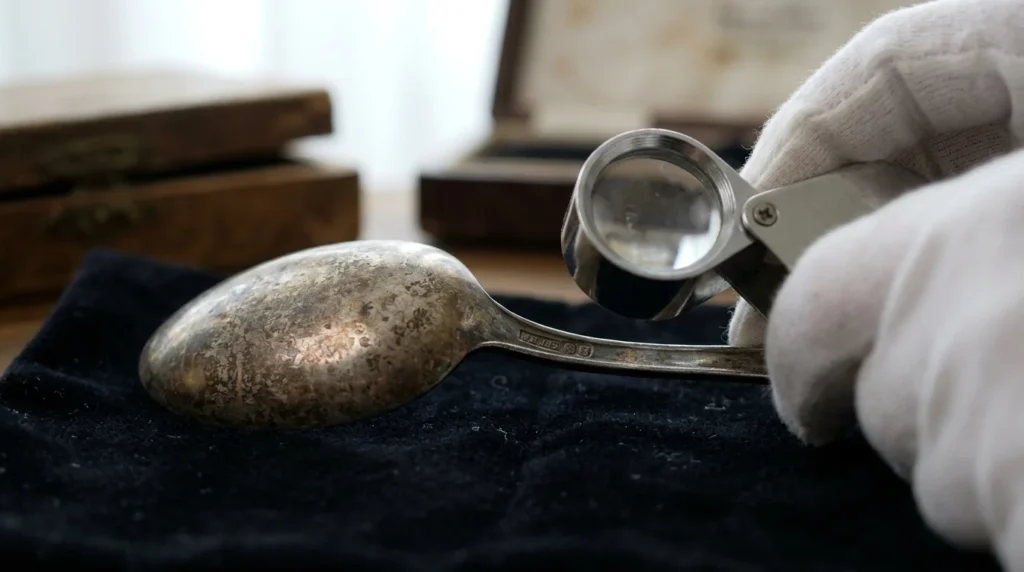
Silver Antique Cleaning
| Cleaning Method | Safety Level |
| Silver polishing cloth | Safe |
| Baking soda paste | Limited use |
| Commercial silver dip | Risky |
Silver antiques should never be polished excessively.
Iron Artifact Cleaning
Iron relics are highly vulnerable to rust.
Safe Iron Cleaning Tips
- Use dry brushing only
- Avoid soaking in water
- Apply rust stabilizer carefully
- Store in low humidity
Professional restoration is recommended for severe rust damage.
Antique Ceramic and Porcelain Cleaning
Ceramic antiques crack easily if cleaned improperly.
Safe Cleaning Steps
- Dust gently
- Wash with lukewarm distilled water
- Use soft cotton cloth
- Avoid temperature shocks
- Air dry completely
Porcelain Cleaning Tips
| Method | Recommended |
| Soft sponge cleaning | Yes |
| Dishwasher cleaning | No |
| Hot water soaking | No |
| Mild soap use | Yes |
Never scrub painted or glazed surfaces aggressively.
Antique Glass Cleaning Methods
Old glass objects can become fragile with age.
Best Glass Cleaning Techniques
- Use lint-free cloths
- Apply distilled water lightly
- Avoid ammonia cleaners
- Dry immediately after cleaning
Antique Jewelry Cleaning Methods
Vintage jewelry often includes delicate gemstones and aged metals.
Safe Jewelry Cleaning Process
Gold Jewelry
- Use warm distilled water
- Mild soap only
- Soft brush for crevices
Silver Jewelry
- Polish gently
- Avoid chemical dips
Gemstone Jewelry
- Avoid ultrasonic cleaners
- Clean manually with soft cloth
Cleaning Antique Coins Safely
Coin collectors strongly discourage harsh cleaning because it reduces value.
Recommended Coin Cleaning Rules
| Action | Recommended |
| Gentle rinsing | Yes |
| Chemical polishing | No |
| Abrasive brushing | No |
| Professional grading consultation | Yes |
Rare coins should usually remain untouched unless necessary.
Antique Paper and Document Cleaning
Historical papers and manuscripts require extreme care.
Safe Cleaning Methods
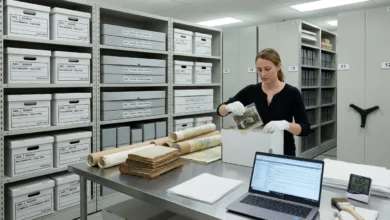
- Use soft archival brushes
- Remove dust carefully
- Store in acid-free folders
- Avoid direct light exposure
Important Paper Preservation Tips
| Factor | Recommendation |
| Humidity | 35–50% |
| Temperature | 65–70°F |
| Light Exposure | Minimal |
| Storage | Acid-free containers |
Antique Textile Cleaning Methods
Vintage fabrics are extremely sensitive to moisture and chemicals.
Textile Cleaning Tips
- Vacuum with low suction
- Use mesh protective screens
- Avoid machine washing
- Keep away from sunlight
Professional textile conservators are recommended for valuable fabrics.
Mold Removal from Antique Objects
Mold is dangerous for antiques and collectors alike.
Safe Mold Cleaning Process
- Isolate the item
- Wear gloves and mask
- Use dry brushing outdoors
- Apply minimal alcohol solution if safe
- Dry completely
Never store damp antiques.
Museum-Level Antique Cleaning Techniques
Professional museums use highly controlled cleaning methods.
Museum Preservation Standards
| Technique | Purpose |
| Climate control | Prevent deterioration |
| UV filtering | Reduce fading |
| Archival storage | Long-term protection |
| Non-invasive cleaning | Preserve originality |
Collectors can apply similar principles at home.
Best Products for Antique Cleaning
Recommended Safe Products
| Product Type | Best Use |
| Microcrystalline Wax | Metal and wood protection |
| Distilled Water | Safe moisture cleaning |
| pH-Neutral Soap | Gentle cleaning |
| Archival Cloths | Dust removal |
| Acid-Free Storage Materials | Preservation |
Avoid modern industrial cleaning chemicals whenever possible.
Common Antique Cleaning Mistakes
1. Over-Restoration
Making antiques look new can destroy value.
2. Using Household Cleaners
Many contain harmful chemicals.
3. Excessive Moisture
Water damage is one of the biggest risks.
4. Removing Patina
Patina often increases historical value.
5. Improper Storage After Cleaning
Poor storage reverses preservation efforts.
How to Store Antiques After Cleaning
Proper storage is just as important as cleaning.
Storage Recommendations
| Storage Method | Benefits |
| Climate-controlled rooms | Stable preservation |
| Acid-free boxes | Safe paper storage |
| Glass display cabinets | Dust protection |
| UV-protected displays | Fade prevention |
Antique Restoration vs Cleaning
Cleaning and restoration are different processes.
| Cleaning | Restoration |
| Removes dirt | Repairs damage |
| Minimal intervention | Structural work |
| Lower risk | Higher risk |
| Maintains originality | Alters condition |
Collectors should avoid unnecessary restoration.
Future Trends in Antique Preservation
Modern preservation technologies are improving antique care.
Emerging Trends
- Digital condition tracking
- Smart humidity monitors
- UV-sensitive display systems
- AI-assisted restoration analysis
- Museum-grade home preservation kits
These innovations help collectors protect valuable antiques more effectively.
Conclusion
Antique object cleaning methods play a vital role in preserving historical artifacts, collectibles, and heirlooms. Proper cleaning requires patience, safe materials, and careful handling to avoid damaging delicate surfaces or reducing collector value.
Whether cleaning wood, metal, coins, ceramics, jewelry, or paper artifacts, collectors should always use gentle techniques and preservation-focused methods. In many cases, minimal cleaning is better than aggressive restoration.
By following museum-inspired cleaning practices, collectors can safely maintain the beauty, authenticity, and historical significance of antique objects for future generations.
FAQs
What is the safest way to clean antique objects?
Using microfiber cloths, distilled water, and pH-neutral soap is generally safest.
Can cleaning reduce antique value?
Yes, aggressive or improper cleaning can significantly reduce collector value.
Should antique coins be cleaned?
Rare coins should usually not be cleaned because cleaning may damage surfaces and reduce worth.
Is vinegar safe for antiques?
Vinegar may damage some materials and should only be used cautiously.
How do museums clean antiques?
Museums use non-invasive techniques with strict environmental control.
What is antique patina?
Patina is the natural aging layer that forms on antique surfaces over time.
Can water damage antiques?
Yes, excess moisture can cause rust, warping, mold, and cracking.
Should antique restoration be done professionally?
High-value or fragile antiques should always be handled by professionals.