Historical Collectible Explanation Guide: From Identification to Valuation
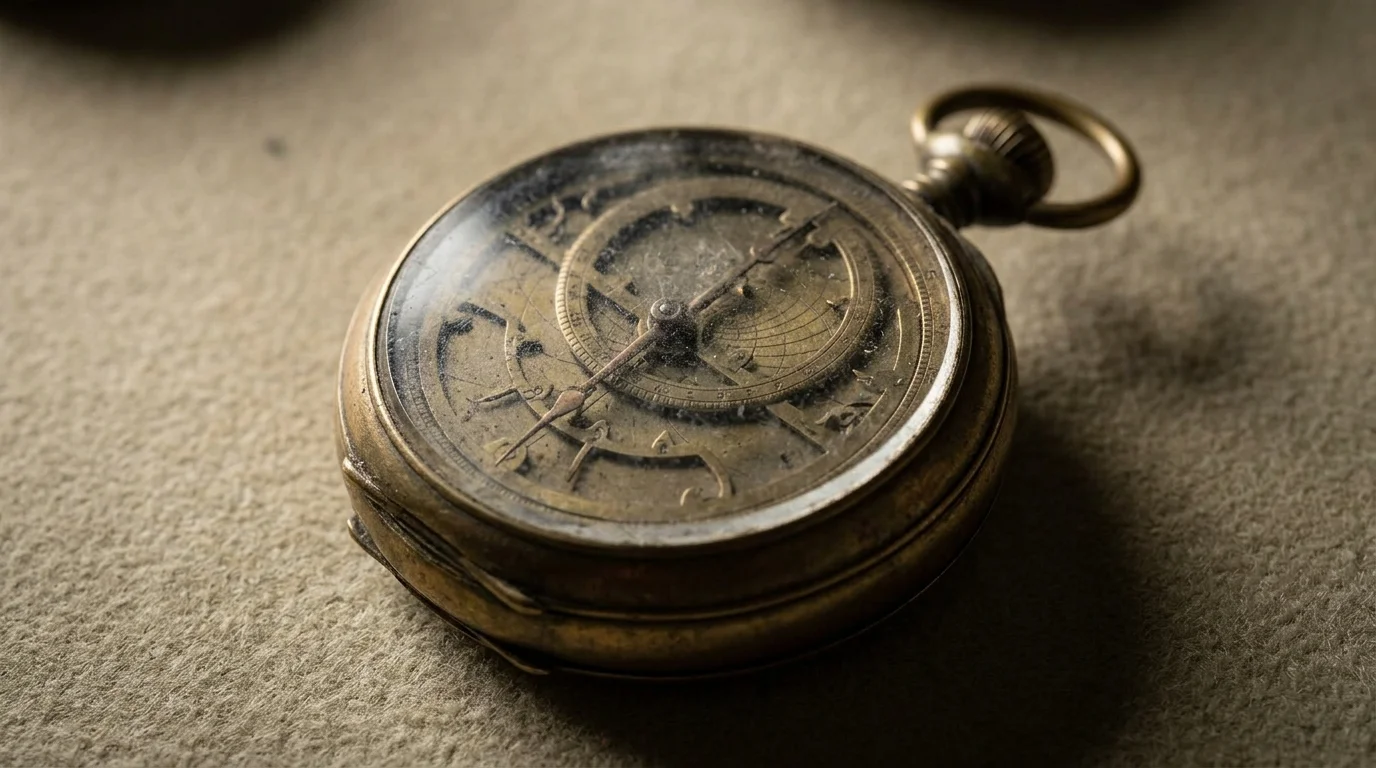
A historical collectible is any object that has survived from the past and now holds value because of its age, rarity, condition, provenance, or cultural significance. Unlike ordinary antiques, which may be valued primarily for aesthetics or function, historical collectibles derive their worth from documented connections to specific events, periods, places, or people. This guide explains the complete ecosystem of historical collectibles, providing collectors, investors, and enthusiasts with the foundational knowledge needed to identify, authenticate, evaluate, and preserve these tangible links to our shared past.
Table of Contents
| Section | Topic |
|---|---|
| 1 | What Defines a Historical Collectible |
| 2 | Major Categories of Historical Collectibles |
| 3 | The Five Pillars of Value |
| 4 | Authentication and Provenance Explained |
| 5 | Condition Grading Systems by Category |
| 6 | Preservation and Storage Fundamentals |
| 7 | Frequently Asked Questions |
1. What Defines a Historical Collectible
A historical collectible is distinguished from ordinary old objects by its ability to tell a specific story. A 19th-century ceramic plate may be an antique. The same plate bearing a commemorative design for Queen Victoria’s coronation becomes a historical collectible. A Civil War bullet is a relic. The same bullet documented as having been removed from a soldier’s wound becomes a historical collectible of significantly greater value.
Historical collectibles serve as primary sources. They provide direct, tangible evidence of past human activity that cannot be replicated by photographs or written descriptions alone. Holding a piece of fabric from a 18th-century dress offers sensory information about texture, weight, and color that no museum label can fully convey.
Age Requirements and Definitions
Different markets use different age thresholds. The United States customs definition generally considers items over 100 years old as antiques. The antique trade often uses 100 years as the minimum for furniture and decorative arts. Historical collectibles, however, can be significantly younger. Objects from World War II, the Space Race, or even the 1980s personal computing revolution are widely collected as historical artifacts despite being less than a century old.
The critical distinction is historical significance rather than absolute age. A 2,000-year-old common pottery sherd may be less valuable as a collectible than a 1969 Apollo 11 mission checklist used on the lunar surface.
Tangible vs. Intangible Value
Historical collectibles carry both tangible value (materials, craftsmanship) and intangible value (associations, stories). The intangible component often exceeds the tangible. An autographed letter from Abraham Lincoln written on common paper may sell for tens of thousands of dollars while an identical unsigned letter from the same period has minimal value. The signature adds no physical material but carries immense historical association.
2. Major Categories of Historical Collectibles
Understanding category distinctions helps collectors build coherent collections and recognize value drivers specific to each type.
| Category | Examples | Primary Value Drivers |
|---|---|---|
| Autographs and Manuscripts | Signed letters, original documents, musical scores | Signature authenticity, content significance, recipient |
| Militaria | Uniforms, medals, weapons, field gear | Provenance to specific soldier or battle, condition, rarity |
| Numismatics | Coins, currency, tokens | Strike quality, metal content, mint errors, historical period |
| Philately | Postage stamps, postal history | Printing errors, cancellation marks, first-day covers |
| Ephemera | Posters, tickets, brochures, advertisements | Artistic merit, historical event connection, survival rarity |
| Historical Memorabilia | Campaign items, commemoratives, souvenirs | Event significance, association with famous person |
| Scientific Instruments | Telescopes, microscopes, medical tools | Maker reputation, functionality, scientific importance |
| Textiles and Costume | Military uniforms, royal garments, pioneer clothing | Fiber preservation, dye analysis, wearer identification |
Autographs and Manuscripts
Autograph collecting, also called philography, focuses on handwritten documents. A letter written entirely in the subject’s hand commands higher prices than a signed typed letter. Content matters enormously: a routine thank-you note from a famous person may sell for hundreds, while a letter discussing a major historical event may sell for tens of thousands.
Militaria
Military collectibles require particular attention to authenticity due to widespread reproduction and forgery. Original period photographs showing the exact item in use provide the strongest provenance. Unit markings, issue stamps, and period repair work all contribute to authentication.
Numismatics
Coin collecting is the most established historical collectible category with the most sophisticated grading systems. Professional grading services use numeric scales from 1 to 70, with 70 representing perfect mint condition. Historical coins derive additional value from their context: a Roman denarius minted during the reign of a specific emperor carries historical value beyond its precious metal content.
Ephemera
Ephemera refers to printed or written items originally intended for short-term use. Posters, tickets, brochures, and advertising materials fall into this category. Their collectibility comes from survival rarity. Millions of Titanic voyage tickets were printed, but only a handful survive because most were discarded after use. This scarcity drives value.
3. The Five Pillars of Value
Professional appraisers evaluate historical collectibles using five interconnected criteria. Understanding these pillars helps collectors make informed purchasing and selling decisions.
Rarity
Rarity measures how many examples of the item survive today, not how many were originally produced. A common item from a small production run may be rare but not valuable if no one wants it. A relatively common item from a popular collecting field may be valuable despite larger survival numbers.
True rarity requires research. Auction records, dealer inventories, and collector census projects help establish survival estimates. For militaria, unit records may document exactly how many of a particular item were issued. For manuscripts, archival research may reveal how many copies of a document were originally created.
Condition
Condition directly correlates with value in most collecting categories. A near-mint historical collectible may sell for ten times the price of a fair-condition example of the same item. However, condition expectations vary by category. Ancient coins are judged differently than 20th-century proofs. Civil War field equipment with honest wear is often preferred over unused preserved examples.
The key condition distinction is between use wear and damage. Period use wear appropriate to the item’s function adds character and authenticity. Rust, rot, tears, and missing components subtract value regardless of age.
Provenance
Provenance is the documented chain of ownership. A historical collectible with unbroken provenance from its creation to present commands higher prices than an identical item without history. The strongest provenance includes names, dates, and transaction records. Family descent from the original owner is excellent provenance. Discovery in an undocumented estate sale is minimal provenance.
Provenance forgery is common. Adding a famous name to a common item’s history is easier than forging the item itself. Written provenance documentation should be evaluated for consistency with the item’s physical characteristics.
Historical Significance
Historical significance measures the item’s connection to important events, places, or people. An object associated with a major historical figure or event will generally exceed the value of a similar object without such association. However, significance must be demonstrable, not speculative. Vague claims of possible association add no value.
Aesthetic and Craftsmanship
Even among historical collectibles, beauty and skill matter. A beautifully crafted 18th-century firearm will outsell a crudely made contemporary piece regardless of comparable historical associations. Fine materials, expert workmanship, and artistic merit all contribute to value independently of historical context.
4. Authentication and Provenance Explained
Authentication verifies that an item is what it claims to be. Provenance documents where it has been. Both are essential for serious collecting.
Scientific Authentication Methods
Modern authentication employs multiple scientific techniques:
X-ray fluorescence spectrometry determines elemental composition without sampling. A bronze artifact claiming Roman origin but containing zinc, which Romans did not use, would be flagged as suspicious.
Carbon-14 dating measures radioactive decay to determine organic material age within a range of decades. This method can confirm or reject claimed age for wood, textile, bone, and paper artifacts.
Thermoluminescence dating measures light released when heating ceramic materials, establishing when clay was last fired. This distinguishes ancient pottery from modern reproductions.
Microscopic analysis examines tool marks, wear patterns, and manufacturing traces. Handmade items show irregularities absent in machine-made reproductions.
Documentary Provenance
Documentary provenance includes invoices, auction records, exhibition catalogs, photographs showing the item in known collections, and correspondence mentioning the item. Each document should be evaluated for authenticity. Forged provenance documents are increasingly sophisticated.
The strongest provenance chains include gaps that can be explained but not fabricated. A perfect unbroken chain of ownership for a very old item is suspicious because complete records rarely survive.
Expert Opinion Authentication
When scientific methods cannot provide definitive answers, expert opinion based on comparative examination carries weight. Qualified experts have published credentials in the specific category. General antique dealers are not authentication experts for specialized historical collectibles.
5. Condition Grading Systems by Category
Different collecting categories use different grading terminology. Understanding these systems prevents miscommunication.
Coin Grading
Professional Coin Grading Service and Numismatic Guaranty Corporation use numeric grades from 1 to 70:
| Grade | Description |
|---|---|
| Poor-1 | Barely identifiable, heavily worn |
| Fair-2 | Very worn but complete |
| Good-4 | Heavily worn with major design visible |
| Very Good-8 | Well worn with all lettering readable |
| Fine-12 | Moderate even wear |
| Very Fine-20 | Light even wear on high points |
| Extremely Fine-40 | Light wear only on highest points |
| About Uncirculated-50 | Traces of wear on highest points |
| Mint State-60 to 70 | No wear, strike and luster determine exact grade |
Book and Manuscript Grading
| Grade | Description |
|---|---|
| As New | Appears unread, no defects |
| Fine | No defects, may have been read carefully |
| Very Good | Minor defects, generally attractive |
| Good | Average used book with all pages and binding intact |
| Fair | Complete but with significant damage |
| Poor | Incomplete or severely damaged, for reference only |
Militaria Grading
| Grade | Description |
|---|---|
| Mint | As issued, never used, no wear |
| Excellent | Light use, all original parts, no damage |
| Very Good | Moderate honest wear, fully functional |
| Good | Heavy wear, possible period repairs, functional |
| Fair | Major wear, non-functional, parts missing |
6. Preservation and Storage Fundamentals
Historical collectibles require specific preservation approaches based on material composition.
Environmental Parameters
Temperature between 18 and 21 degrees Celsius
Relative humidity between 45 and 55 percent for most materials
No direct sunlight exposure
UV-filtered lighting for display
Acid-free storage materials only
Handling Protocols
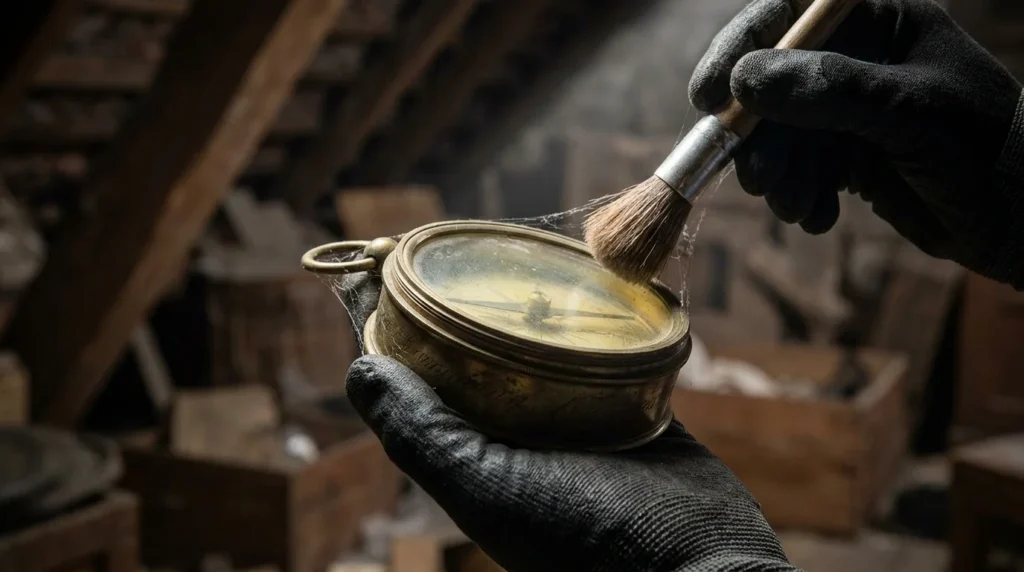
Clean, dry hands or cotton gloves
Support the entire object, never lift by handles or appendages
No eating, drinking, or smoking near collectibles
Pencil only for labeling (ink bleeds and stains)
Work on padded surfaces
Display Considerations
Rotate displayed items to limit light exposure
Use UV-filtered glazing for framed items
Secure objects against movement
Monitor display areas for pests and mold
Document condition before and after display periods
7. Frequently Asked Questions
Q1: What is the difference between an antique and a historical collectible?
An antique is generally defined as an item over 100 years old. A historical collectible may be younger but carries documented significance related to specific events, people, or periods. All antiques can be collected, but not all antiques are historical collectibles in the specialized sense.
Q2: How old must an item be to be collectible?
There is no minimum age. Items from the 1980s and 1990s are actively collected as historical artifacts of recent technological and cultural change. The critical factor is historical significance, not absolute age.
Q3: Is a reproduction ever collectible?
Official reproductions made for museums or historic sites can be collectible if properly marked and documented. Unmarked reproductions that could deceive buyers are not legitimate collectibles. Period copies made close to the original date may themselves become historical artifacts.
Q4: How do I find the value of a historical collectible?
Published auction records show actual sale prices. Price guides provide estimates but may be outdated. Professional appraisals offer documented valuations for insurance or estate purposes. Online completed auction searches show current market activity.
Q5: What makes provenance valuable?
Provenance provides evidence of authenticity and historical association. An item with documented ownership history is more difficult to forge than an item without history. Association with a notable previous owner adds independent value.
Q6: Can I clean a historical collectible myself?
Professional cleaning is strongly recommended for valuable items. Improper cleaning can destroy patina, remove original finishes, and permanently reduce value. If cleaning is necessary, research category-specific methods and test on inconspicuous areas first.
Q7: How do I spot a forgery?
Forgery detection requires knowledge and often scientific testing. Red flags include incorrect materials for the period, tool marks inconsistent with period manufacturing, uniform artificial wear, and missing provenance. Professional authentication is recommended for significant purchases.
Q8: Are historical collectibles good investments?
Some categories have performed well over time, but collectibles are illiquid, carry transaction costs, and require storage and insurance. Collecting should be driven by genuine interest. Investment should be a secondary consideration.
Q9: What is the most collected historical category?
Coins are the most widely collected historical category globally, followed by stamps, militaria, and autographs. However, every category has active collector communities.
Q10: How do I start collecting on a budget?
Focus on a narrow category where you can build expertise. Attend auctions and shows to examine items without buying. Purchase reference books before purchasing collectibles. Buy the best condition you can afford within your category. Condition almost always outperforms rarity in long-term value.
historicalcollectibleexplanationguide collectiblevaluationtips antiqueidentification howtovaluehistoricalitems collectibleauthenticationguide provenanceexplained conditiongradingcollectibles historicalmemorabiliaguide numismaticsforbeginners philatelyexplained ephemeracollecting militarycollectibles scientificinstrumentcollecting