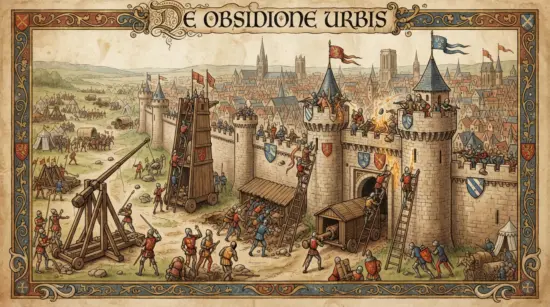
Unveiling the Mysteries of Forgotten Empires
Throughout history, numerous empires have risen to power, only to eventually decline and fade into obscurity. These forgotten empires, though often overlooked, have left behind a rich legacy of cultural, architectural, and historical significance. From the ancient civilizations of Mesopotamia to the medieval kingdoms of Europe, the stories of these empires are a testament to the transience of human power and the enduring impact of their achievements.
The Rise and Fall of Ancient Empires
Ancient empires such as the Sumerians, Babylonians, and Assyrians once flourished in the fertile plains of Mesopotamia, leaving behind a wealth of knowledge, innovation, and artistic expression. The Sumerians, for example, are credited with the invention of the wheel, the development of a sexagesimal (base-60) number system, and the creation of sophisticated irrigation systems. The Babylonians, on the other hand, built the famous Hanging Gardens, one of the Seven Wonders of the Ancient World, and developed a complex system of laws and governance.
Similarly, in the Indus Valley, the Harappan civilization thrived, leaving behind a legacy of advanced urban planning, architecture, and water management. The Harappans built sophisticated cities, complete with drainage systems, public baths, and granaries, and developed a unique system of weights and measures.
Medieval Empires of Europe and Asia
In Europe, the medieval period saw the rise of powerful empires such as the Carolingian Empire, the Holy Roman Empire, and the Byzantine Empire. The Carolingian Empire, under the leadership of Charlemagne, expanded its territories through military conquest and established a strong centralized government, promoting education, art, and literature. The Holy Roman Empire, which lasted for over a thousand years, played a significant role in shaping European politics, culture, and society.
In Asia, the Mongol Empire, founded by Genghis Khan, stretched from China to Eastern Europe, leaving a lasting impact on the regions it conquered. The Mongols facilitated trade, cultural exchange, and the spread of ideas, while also establishing a system of governance and administration that would influence the development of subsequent empires.
Legacy of Forgotten Empires
Despite their decline and eventual disappearance, forgotten empires have left behind a lasting legacy that continues to shape our world today. Their contributions to art, architecture, literature, and science have inspired generations of scholars, artists, and innovators. The study of these empires provides valuable insights into the complexities of human history, the dynamics of power and culture, and the enduring impact of human achievement.
Furthermore, the remnants of these empires, such as ancient ruins, artifacts, and texts, serve as a tangible connection to the past, allowing us to learn from the successes and failures of our ancestors. By exploring the history of forgotten empires, we can gain a deeper understanding of the complexities of human society and the factors that contribute to the rise and fall of civilizations.
Frequently Asked Questions
What is the significance of studying forgotten empires?
Studying forgotten empires provides valuable insights into the complexities of human history, the dynamics of power and culture, and the enduring impact of human achievement. By examining the rise and fall of these empires, we can gain a deeper understanding of the factors that contribute to the success and decline of civilizations.
How have forgotten empires contributed to modern society?
Forgotten empires have made significant contributions to modern society, including advances in science, technology, art, and literature. The innovations and discoveries of these empires, such as the wheel, the printing press, and the development of sophisticated irrigation systems, have had a lasting impact on human progress and continue to influence our world today.
What can we learn from the decline of forgotten empires?
The decline of forgotten empires offers valuable lessons about the importance of adaptability, resilience, and responsible governance. By examining the factors that contributed to the downfall of these empires, such as environmental degradation, internal conflict, and external pressures, we can gain a deeper understanding of the complexities of human society and the challenges of sustaining long-term prosperity and stability.
How can we preserve the legacy of forgotten empires?
Preserving the legacy of forgotten empires requires a concerted effort to protect and conserve their cultural and historical heritage. This can involve the restoration of ancient ruins, the preservation of artifacts and texts, and the promotion of educational programs and cultural events that celebrate the achievements of these empires. By working together to preserve the legacy of forgotten empires, we can ensure that their stories and contributions continue to inspire and educate future generations.
Conclusion
In conclusion, the stories of forgotten empires offer a fascinating glimpse into the complexities of human history and the enduring impact of human achievement. By exploring the rise and fall of these empires, we can gain a deeper understanding of the factors that contribute to the success and decline of civilizations, and appreciate the significant contributions they have made to modern society. As we continue to learn from the past, we can work towards building a more informed, empathetic, and sustainable future, inspired by the legacy of forgotten empires.