Advanced Vintage Maintenance Methods: Modern Science Meets Heritage Preservation
The preservation of vintage items—whether aircraft, furniture, documents, or timepieces—has transcended traditional dusting and oiling. Today, advanced vintage maintenance methods combine laser technology, non-thermal plasma, artificial intelligence, and precision chemistry to extend the life of heirlooms and historical artifacts. This guide explores cutting-edge techniques that professional conservators use to clean, stabilize, and restore vintage items while respecting the core principles of minimal intervention and reversibility.
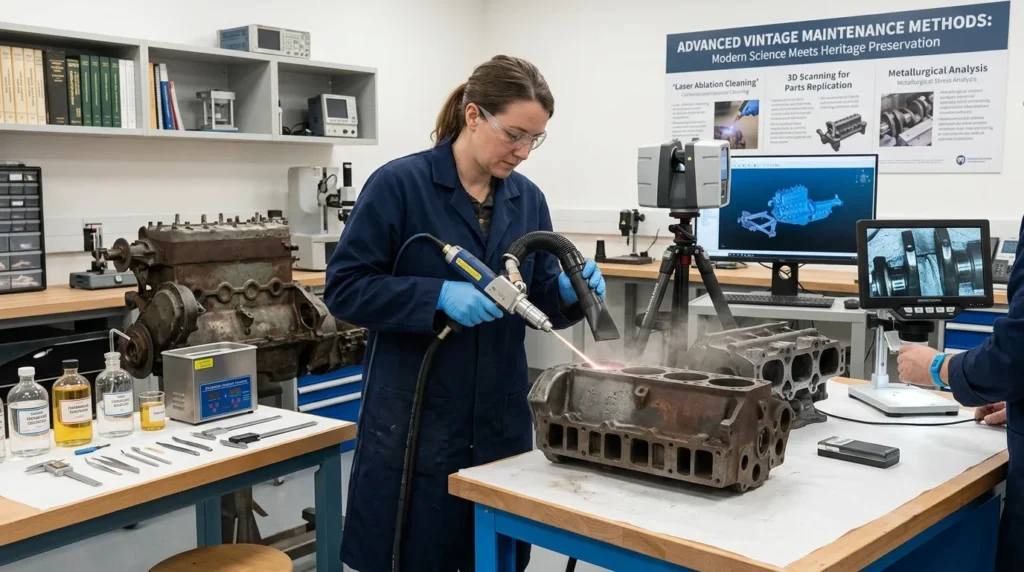
Table of Contents
| Section | Topic |
|---|---|
| 1 | The Evolution of Vintage Maintenance |
| 2 | Laser Cleaning: Precision Surface Restoration |
| 3 | Advanced Chemical and Plasma Methods |
| 4 | AI and Digital Restoration Technologies |
| 5 | Multi-Material Conservation Strategies |
| 6 | Preventative Maintenance for Long-Term Preservation |
| 7 | Frequently Asked Questions |
1. The Evolution of Vintage Maintenance
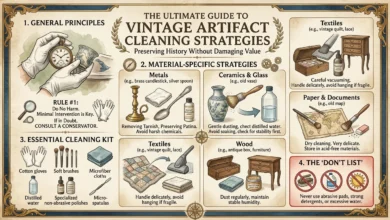
Traditional vintage maintenance relied heavily on mechanical abrasion, chemical stripping, and manual polishing. While these methods remain useful for certain applications, they often carry risks of surface damage, material loss, and health hazards for conservators. Advanced methods prioritize three core principles established by professional conservation standards: minimal intervention, discernibility, and reversibility.
Modern conservators now approach vintage items as complex systems requiring scientific diagnosis before any physical intervention occurs. X-ray fluorescence spectrometry, Fourier-transform infrared spectroscopy, and gas chromatography-mass spectrometry allow thorough material analysis without damaging the artifact. This diagnostic-first approach ensures that maintenance methods target specific problems rather than applying blanket treatments.
2. Laser Cleaning: Precision Surface Restoration
Laser cleaning represents one of the most significant advances in vintage maintenance technology. This method uses focused light energy to vaporize contaminants, paint, and corrosion layers without damaging the underlying material.
Aviation Applications
The Royal Australian Air Force has demonstrated laser cleaning’s effectiveness on vintage aircraft. Using a commercial laser system, maintenance crews removed paint, grime, and corrosion from a 74-year-old Winjeel training aircraft in days instead of months. Traditional methods required a crew of 10 people spending months sanding and grinding around rivets. The laser completed the work in days while leaving the underlying metal undamaged and in factory condition, revealing long-obscured original manufacturer serial numbers and part numbers.
Beyond time savings, laser cleaning significantly reduces health hazards. Traditional paint removal involves exposure to carcinogenic chemical strippers and generates hazardous dust. The laser system incorporates HEPA filtration to capture dangerous particulates, creating a safer work environment for maintenance personnel.
Daguerreotype Restoration
Early photographs called daguerreotypes present unique conservation challenges due to their tendency to tarnish. Researchers have optimized UV laser and atmospheric non-thermal plasma cleaning techniques specifically for these delicate surfaces.
Systematic testing using four different laser wavelengths—Nd:YAG at 532nm and 355nm, KrF excimer at 248nm, and ArF excimer at 193nm—has established safe parameters for tarnish removal. The femtosecond KrF excimer laser at 248nm provides particularly controlled cleaning action, removing degradation layers without affecting the underlying image.
Carbon Dioxide Snow Cleaning
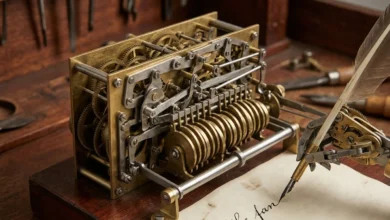
The Cleveland Museum of Art employed CO2 snow cleaning on an 18th-century French clock’s brass mounts. Unlike commercial dry-ice blasting that uses millimeter-sized pellets, this method passes micron-sized solid carbon dioxide particles over the surface. The technique removes green corrosion product from finely textured recesses without altering patina and surface color, allowing the metal to appear as originally intended.
3. Advanced Chemical and Plasma Methods
While laser technology dominates recent headlines, advanced chemical and plasma methods offer targeted solutions for specific vintage maintenance challenges.
Atmospheric Non-Thermal Plasma Cleaning
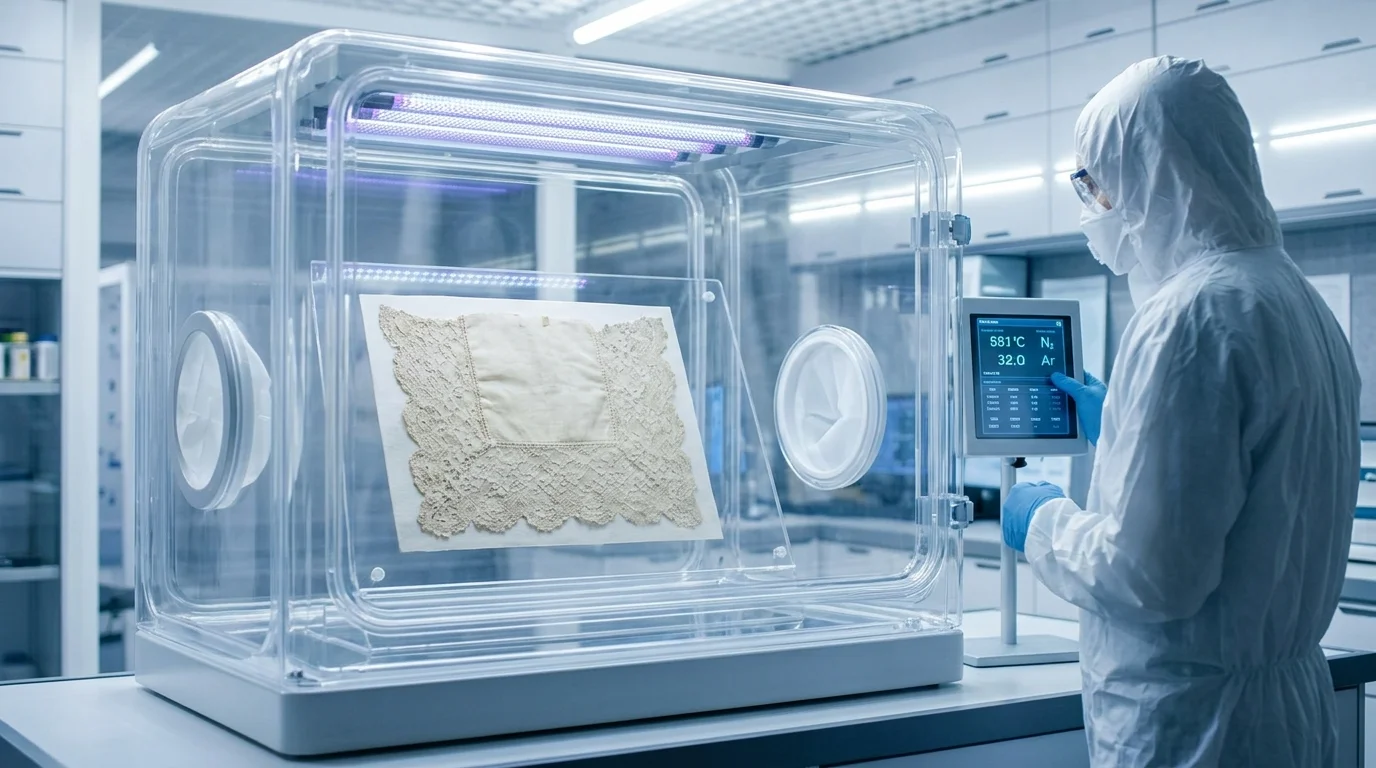
Plasma cleaning uses ionized gas to remove organic contaminants from surfaces. For daguerreotypes, atmospheric non-thermal plasma provides fast, selective cleaning action. However, research indicates plasma is less effective for complex degradation layers involving cyanides, calcium carbonate, and organic compounds from previous cleaning attempts. A combined approach—laser followed by plasma or laser followed by wet cleaning—may optimize results for severely degraded items.
Modified Traditional Techniques
The Getty Museum conservators adapted a gel based on the chemical composition and physical properties of Silly Putty to remove tenacious varnish residues from the French clock case. This innovative gel formulation targets specific degradation products without affecting stable underlying surfaces.
For corrosion reduction on unvarnished brass, conservators used an animal glue peel—an established practice with new modifications. The glue, combined with additives, causes a chemical reduction that minimizes corrosion blemishes on metal surfaces, working like a spa treatment for the artifact.
Controlled Humidification for Organic Materials
When restoring a thousand-year-old embroidered leather bag from China’s Liao Dynasty, conservators faced a significant challenge: removing a bronze buckle without damaging the surrounding leather and textiles. Because bronze and organic materials have vastly different moisture tolerances, forceful separation would cause irreversible damage. The team devised a bespoke rehydration regimen, slowly reawakening leather fibers under strictly controlled temperature and humidity to safely detach the buckle.
4. AI and Digital Restoration Technologies
Artificial intelligence has opened new frontiers in vintage maintenance, particularly for items with extensive damage where traditional restoration would require years of manual work.
Digitally Constructed Restoration Masks
Researchers at MIT have developed a method to physically apply digital restorations directly onto original paintings using thin polymer films. The process works as follows:
- The painting is cleaned and scanned to identify all damaged areas
- AI algorithms analyze the scan and generate a virtual restored version
- Software creates a map of regions requiring infill and exact color matches
- A two-layer mask is printed onto thin polymer film
- The mask is aligned and adhered to the original painting with conventional varnish
For a highly damaged 15th-century oil painting with 5,612 separate regions requiring repair using 57,314 different colors, the entire process took 3.5 hours—approximately 66 times faster than traditional hand-painting methods. The mask is removable using conservation-grade solutions, and the digital file provides unprecedented documentation for future conservators.
Digital Documentation and Replication
The Conservation Center restored a family heirloom consisting of a parchment document, frayed ribbon, and sealed metal cannister. After physical treatment—surface cleaning, humidification, tear repair with Japanese tissue and wheat starch paste, and corrosion stabilization—the piece was digitally captured in high resolution. Areas of damage were digitally retouched to create a reproduction mirroring the original’s intended appearance, printed on matte archival paper at original scale for reference.
5. Multi-Material Conservation Strategies
Vintage items rarely consist of single materials. A clock may combine brass, tortoiseshell, gilt bronze, and silver. A saddle ornament may use gilded silver with leather backing. Effective advanced maintenance requires strategies that address each material’s unique needs.
The Three-Laboratory Approach
The Cleveland Museum of Art’s French clock restoration exemplifies multi-material coordination. The clock was disassembled and worked on in three different laboratories across the country:
| Component | Location | Specialization |
|---|---|---|
| Boulle marquetry case | Getty Museum, Los Angeles | French furniture |
| Clock movement | Boston | Horological conservation |
| Clock face | Cleveland Museum of Art | Silver and coating treatment |
After individual treatments, all components returned to Cleveland for final reassembly. This distributed approach ensures each material receives specialized attention from experts in that specific domain.
Diagnostic Testing Before Treatment
The Inner Mongolia Museum’s artifact hospital demonstrates comprehensive diagnostic protocols. Before any treatment begins, each artifact undergoes:
- X-ray diffraction analysis to identify harmful corrosion
- Fourier-transform infrared spectroscopy for fiber identification
- Gas chromatography-mass spectrometry for dye component analysis
- Handheld X-ray fluorescence spectrometry for surface composition
This diagnostic foundation ensures that cleaning and stabilization methods target specific degradation products without affecting original materials.
Controlled Environment Integration
The final stage of any advanced maintenance protocol involves ensuring the artifact returns to a suitable environment. Monitoring temperature, relative humidity, light levels, and pest activity is essential for long-term preservation. When objects sensitive to fading are displayed, reduced light levels protect dyes and pigments. Acid-free storage materials and proper packaging prevent further decay.
6. Preventative Maintenance for Long-Term Preservation
Advanced vintage maintenance extends beyond active restoration to preventative strategies that reduce the need for future interventions.
Regular Use and Monitoring
For vintage automobiles, regular driving is the most effective maintenance strategy. Cars that sit unused develop problems from stagnant fluids, dried seals, and unnoticed damage. Driving provides opportunities to hear new noises, feel changes in handling, and identify issues before they become catastrophic failures.
Heat monitoring is particularly critical. Dragging brakes, worn wheel bearings, and cooling system inefficiencies often manifest as localized heat. Checking wheel hubs with the back of the hand after parking can identify problems before failure occurs.
Maintenance Logging and Documentation
Keeping detailed records of what maintenance was performed, when, and what products were used helps track the aging of modern materials and predict future needs. For vintage cars, tracking fluid changes, tire ages, and component replacements prevents corrosion from acidic coolant and other age-related failures.
Sustainable Conservation Practices
As museum collections expand, emphasis has shifted toward preventative conservation where small environmental changes benefit large numbers of objects simultaneously. By revisiting display and storage methods, institutions work toward sustainable conservation that reduces the need for individual active treatments.
The Decision Not to Restore
Advanced maintenance does not always mean active restoration. For the Cleveland Museum’s French clock movement, conservators chose to leave the mechanism non-functional rather than replace original parts. Instead, the clock’s functions were recorded with audio and video, and the tunes are being made available through a museum app. This approach preserves original components while still allowing visitors to experience the artifact’s aural dimensions.
7. Frequently Asked Questions
Q1: Is laser cleaning safe for all vintage materials?
No. Laser cleaning parameters must be carefully calibrated for each material type. Different wavelengths affect materials differently. The femtosecond KrF excimer laser at 248nm works well for daguerreotypes, but the same laser at different settings could damage other surfaces. Professional assessment is essential before laser application.
Q2: How does AI restoration differ from traditional inpainting?
Traditional inpainting involves hand-mixing paints and applying them individually to each damaged area, a process taking months or years. AI restoration creates a digital map of required repairs and prints a removable polymer mask that applies thousands of color corrections simultaneously in hours.
Q3: Can I use CO2 snow cleaning at home?
No. Professional CO2 snow cleaning requires specialized equipment and training. The method described uses micron-sized particles from blocks of dry ice with controlled delivery systems. Commercial dry-ice blasting uses larger pellets that can damage delicate surfaces.
Q4: What are the three core principles of professional conservation?
Minimal intervention (only treat what needs treatment), discernibility (repairs should be visible on close examination), and reversibility (all treatments should be undoable by future conservators using better methods).
Q5: How do I know if my vintage item needs professional maintenance?
Signs include active corrosion, flaking paint, mold growth, structural weakness, or previous poor-quality repairs. If an item holds significant monetary or sentimental value, professional assessment is recommended before any DIY intervention.
Q6: What is the most important preventative maintenance step?
Controlling the storage or display environment. Temperature, humidity, light exposure, and air quality significantly affect deterioration rates. Acid-free storage materials and proper support prevent physical damage.
Q7: How long does advanced laser cleaning take?
For the RAAF’s 74-year-old Winjeel aircraft, a task requiring 10 people months of manual work was completed in days. For smaller items, treatment may take hours or minutes depending on the extent of contamination.
Q8: Can digitally restored paintings be returned to original condition?
Yes. The MIT polymer mask method is designed to be reversible. The thin film can be dissolved using conservation-grade solutions, revealing the original damaged painting underneath. This reversibility addresses ethical concerns about permanent alteration.
Q9: What maintenance is required for vintage cars beyond mechanical work?
Regular driving, fluid monitoring, heat checks on wheel bearings and brakes, cooling system evaluation, and realistic expectations about highway speeds. Modern stop-and-go traffic places different demands on vintage cooling systems than original operating conditions.
Q10: How do conservators handle items made of multiple materials?
Each material is treated separately using specialized techniques, often by different experts in different laboratories. The item is disassembled, each component receives appropriate treatment, and the item is reassembled. This distributed approach ensures optimal care for each material.
advancedvintagemaintenancerelicconservationtechniqueslasercleaningantiquesvintagepreservationmethodsheritageconservationtechnologyartifactrestorationaiartrestorationnonthermalplasmacleaningcarbonsnowcleaningmultimaterialconservationpreventativevintagecarevintageaircraftmaintenanceantiqueclockrestorationvintagecarbuildguide