Unveiling the Mysteries of Human History: A Comprehensive Civilization Timeline
Human civilization has undergone significant transformations throughout its existence, shaping the world into what we know today. From the emergence of ancient societies to the modern era, our history is a rich tapestry of cultural, scientific, and technological advancements. In this article, we will delve into the fascinating world of human history, exploring the major milestones and events that have defined our civilization timeline.
The Dawn of Civilization
The earliest civilizations date back to around 4000-3500 BCE, with the emergence of complex societies in Mesopotamia, Egypt, and the Indus Valley. These ancient cultures developed writing systems, governance structures, and sophisticated agricultural practices, laying the foundation for modern civilization. The Sumerians, in particular, made significant contributions to human progress, inventing the wheel, developing a system of writing, and creating intricate irrigation systems.
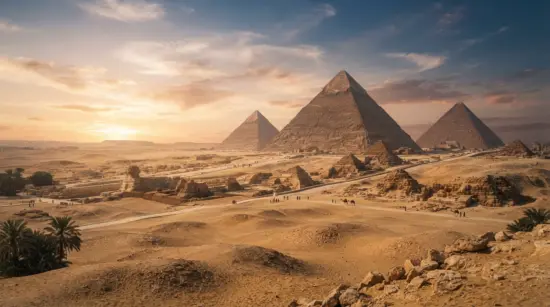
In Egypt, the pyramids stood as testaments to the ingenuity and skill of ancient builders, while the Indus Valley Civilization boasted advanced urban planning, architecture, and water management systems. These early civilizations not only demonstrated remarkable achievements but also laid the groundwork for future scientific, cultural, and philosophical developments.
Ancient Empires and the Classical Era
As civilizations continued to evolve, powerful empires rose and fell, leaving lasting legacies in their wake. The ancient Greeks, for example, made profound contributions to philosophy, theater, and democracy, with iconic figures like Socrates, Plato, and Aristotle shaping Western thought. The Romans, in turn, expanded upon Greek knowledge, developing engineering, law, and governance systems that would influence European society for centuries to come.
The classical era also saw the emergence of Eastern civilizations, including ancient China, which developed a unique philosophical and cultural heritage. The teachings of Confucius, Lao Tzu, and Buddha spread throughout Asia, shaping the spiritual and moral fabric of societies from India to Japan. This period of cultural exchange and cross-pollination had a profound impact on the development of human civilization, as ideas and innovations were shared and adapted across vast distances.
The Middle Ages and the Rise of Monotheistic Religions
The fall of the Roman Empire marked the beginning of the Middle Ages, a period characterized by the rise of monotheistic religions, including Christianity, Islam, and Judaism. These faiths played a significant role in shaping the social, cultural, and political landscape of Europe, the Middle East, and North Africa. The Catholic Church, in particular, wielded considerable influence, promoting education, art, and architecture while also perpetuating dogma and intolerance.
The Islamic Golden Age, which spanned from the 8th to the 13th century, saw a flourishing of scientific, philosophical, and cultural achievements, as scholars and thinkers like Ibn Sina and Ibn Rushd made groundbreaking contributions to mathematics, astronomy, and medicine. This period of intellectual and artistic ferment had a lasting impact on Western civilization, as Islamic knowledge and innovations were gradually absorbed into European society.
The Age of Exploration and the Emergence of Modern Nation-States
The discovery of the New World in 1492 marked the beginning of a new era in human history, as European powers like Spain, Portugal, and England established colonies and trading routes across the globe. This period of exploration and expansion had a profound impact on indigenous populations, leading to the displacement, marginalization, and often, the destruction of native cultures.
The rise of modern nation-states, including the United States, France, and Germany, was accompanied by significant scientific, technological, and philosophical advancements. The Enlightenment, with its emphasis on reason, individualism, and democracy, laid the groundwork for modern Western society, while the Industrial Revolution transformed the global economy and ushered in a new era of urbanization and technological progress.
The 20th Century and the Contemporary Era
The 20th century was marked by two devastating world wars, which resulted in unprecedented human suffering, economic devastation, and social upheaval. The aftermath of these conflicts saw the emergence of new global powers, including the United States and the Soviet Union, which engaged in a decades-long Cold War, marked by ideological rivalry, proxy conflicts, and nuclear brinksmanship.
In recent decades, the world has witnessed significant advancements in technology, globalization, and social justice. The digital revolution, with its attendant rise of the internet, social media, and mobile devices, has transformed the way we communicate, work, and interact with one another. Meanwhile, movements for civil rights, feminism, and environmentalism have pushed for greater equality, justice, and sustainability, reflecting a growing awareness of the need for collective action and global cooperation.
A Civilization Timeline: Major Milestones and Events
- 4000-3500 BCE: Emergence of ancient civilizations in Mesopotamia, Egypt, and the Indus Valley
- 2000-1500 BCE: Rise of ancient empires, including the Babylonians, Egyptians, and Mycenaeans
- 500-300 BCE: Classical era, marked by the achievements of ancient Greece and Rome
- 500-1500 CE: Middle Ages, characterized by the rise of monotheistic religions and the fall of the Roman Empire
- 1500-1800 CE: Age of Exploration and the emergence of modern nation-states
- 1800-2000 CE: Industrial Revolution, world wars, and the rise of global powers
- 2000 CE-present: Digital revolution, globalization, and contemporary social justice movements
Frequently Asked Questions
What is the significance of the ancient Sumerian civilization?
The Sumerians made significant contributions to human progress, including the invention of the wheel, the development of a system of writing, and the creation of intricate irrigation systems. Their achievements laid the foundation for modern civilization and had a lasting impact on the development of science, technology, and governance.
How did the ancient Greeks contribute to Western philosophy and culture?
The ancient Greeks made profound contributions to Western philosophy, theater, and democracy, with iconic figures like Socrates, Plato, and Aristotle shaping Western thought. Their ideas about reason, individualism, and the importance of human dignity have had a lasting impact on Western culture and continue to influence contemporary society.
What were the major achievements of the Islamic Golden Age?
The Islamic Golden Age, which spanned from the 8th to the 13th century, saw a flourishing of scientific, philosophical, and cultural achievements, as scholars and thinkers like Ibn Sina and Ibn Rushd made groundbreaking contributions to mathematics, astronomy, and medicine. This period of intellectual and artistic ferment had a lasting impact on Western civilization, as Islamic knowledge and innovations were gradually absorbed into European society.
How has the digital revolution transformed modern society?
The digital revolution, with its attendant rise of the internet, social media, and mobile devices, has transformed the way we communicate, work, and interact with one another. It has enabled global connectivity, facilitated the exchange of ideas and information, and created new opportunities for education, commerce, and social mobilization. However, it has also raised concerns about privacy, inequality, and the impact of technology on mental and physical health.
Conclusion
Human civilization has undergone a remarkable journey, marked by significant achievements, challenges, and transformations. From the emergence of ancient societies to the modern era, our history is a rich tapestry of cultural, scientific, and technological advancements. As we look to the future, it is essential that we learn from the past, acknowledging both the accomplishments and the mistakes of our predecessors. By doing so, we can build a more just, equitable, and sustainable world, one that reflects the diversity, complexity, and creativity of human experience.