Unveiling the Secrets of the Past: Exploring 18 Archaeological Sites
Archaeological sites have long been a source of fascination for people around the world. These sites offer a unique glimpse into the lives of our ancestors, providing valuable insights into their cultures, traditions, and ways of life. From the majestic pyramids of Egypt to the ancient ruins of Greece, archaeological sites are a testament to human ingenuity and creativity. In this article, we will embark on a journey to explore 18 of the most significant archaeological sites, delving into their history, significance, and what makes them so remarkable.
Ancient Wonders of the World
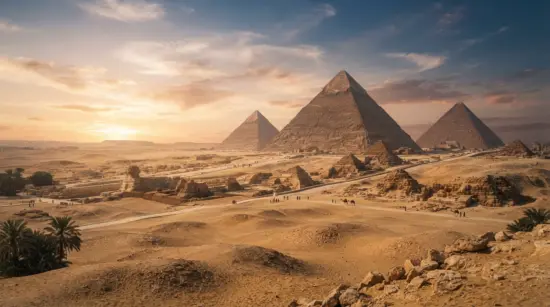
The ancient world was home to some of the most impressive architectural achievements in human history. The Great Pyramid of Giza, the Hanging Gardens of Babylon, and the Statue of Zeus at Olympia are just a few examples of the incredible structures that were built by our ancestors. These ancient wonders of the world continue to inspire awe and wonder, attracting millions of visitors each year. The pyramids of Egypt, for instance, are a testament to the advanced engineering skills of the ancient Egyptians, who were able to construct massive stone structures that have withstood the test of time.
The ancient city of Petra in Jordan is another remarkable example of archaeological significance. This ancient city was once the capital of the Nabataean Kingdom and features intricate rock-cut architecture, water conduit systems, and stunning mosaics. The site is a UNESCO World Heritage Site and is considered one of the most impressive archaeological sites in the world.
Lost Cities and Civilizations
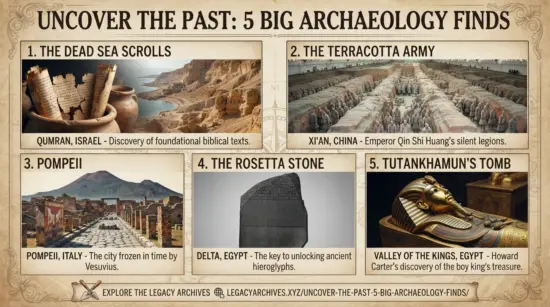
Archaeological sites also offer a glimpse into lost cities and civilizations that have been forgotten over time. The ancient city of Pompeii, which was destroyed by the eruption of Mount Vesuvius in 79 AD, is a prime example of this. The site provides a unique snapshot of life in ancient Rome, with many of the city’s buildings, artifacts, and even the bodies of its inhabitants preserved in ash. Similarly, the ancient city of Angkor Wat in Cambodia is a testament to the advanced civilization of the Khmer Empire, which flourished in the 12th century.
The Mayan city of Tikal in Guatemala is another example of a lost city that has been rediscovered through archaeological excavations. The site features numerous temples, palaces, and ball courts, and is considered one of the most important archaeological sites in the Americas. The discovery of these lost cities and civilizations has greatly expanded our knowledge of human history and has provided valuable insights into the cultures and traditions of our ancestors.
Archaeological Sites in the Americas
The Americas are home to a diverse range of archaeological sites, each with its own unique history and significance. The ancient city of Machu Picchu in Peru, for example, is a testament to the ingenuity and skill of the Inca civilization. The site is perched on a mountain ridge over 2,400 meters above sea level and features impressive stonework, terracing, and irrigation systems. The Mayan city of Chichen Itza in Mexico is another significant site, featuring numerous temples, pyramids, and ball courts.
The ancient city of Cahokia in Illinois is a lesser-known but equally significant archaeological site in the Americas. The site was once the capital of the Mississippian culture and features the largest pre-Columbian earthen pyramid north of Mexico. The discovery of these archaeological sites in the Americas has greatly expanded our knowledge of the history and cultures of the indigenous peoples of the region.
Archaeological Sites in Europe
Europe is home to a rich array of archaeological sites, each with its own unique history and significance. The ancient city of Athens in Greece, for example, is a testament to the advanced civilization of the ancient Greeks. The site features numerous iconic landmarks, including the Parthenon, the Acropolis, and the Theater of Dionysus. The Roman Colosseum in Italy is another significant site, showcasing the engineering skills and architectural achievements of the ancient Romans.
The ancient city of Stonehenge in England is a mysterious and enigmatic site that has captivated visitors for centuries. The site features a large circle of standing stones, with each stone weighing up to 50 tons. The purpose and meaning of Stonehenge remain a subject of debate among archaeologists and historians, but it is widely regarded as one of the most impressive archaeological sites in Europe.
Archaeological Sites in Asia
Asia is home to a diverse range of archaeological sites, each with its own unique history and significance. The ancient city of Angkor Wat in Cambodia, for example, is a testament to the advanced civilization of the Khmer Empire. The site features numerous temples, palaces, and bas-reliefs, and is considered one of the most important archaeological sites in Asia. The ancient city of Persepolis in Iran is another significant site, featuring numerous palaces, temples, and monuments.
The ancient city of Mohenjo-Daro in Pakistan is a lesser-known but equally significant archaeological site in Asia. The site was once the capital of the Indus Valley Civilization and features numerous ruins, including the Great Bath, the Granary, and the Citadel. The discovery of these archaeological sites in Asia has greatly expanded our knowledge of the history and cultures of the region.
Archaeological Sites in Africa
Africa is home to a rich array of archaeological sites, each with its own unique history and significance. The ancient city of Great Zimbabwe in Zimbabwe, for example, is a testament to the advanced civilization of the Shona people. The site features numerous stone structures, including the Great Enclosure, the Hill Complex, and the Valley Complex. The ancient city of Axum in Ethiopia is another significant site, featuring numerous obelisks, temples, and palaces.
The ancient city of Leptis Magna in Libya is a lesser-known but equally significant archaeological site in Africa. The site was once a major city in the Roman Empire and features numerous ruins, including the Theater, the Forum, and the Basilica. The discovery of these archaeological sites in Africa has greatly expanded our knowledge of the history and cultures of the continent.
Conclusion
In conclusion, archaeological sites offer a unique glimpse into the lives of our ancestors, providing valuable insights into their cultures, traditions, and ways of life. From the majestic pyramids of Egypt to the ancient ruins of Greece, these sites are a testament to human ingenuity and creativity. By exploring these sites, we can gain a deeper understanding of human history and appreciate the significance of these archaeological treasures.
Frequently Asked Questions
What is the significance of archaeological sites?
Archaeological sites are significant because they provide a unique glimpse into the lives of our ancestors, offering valuable insights into their cultures, traditions, and ways of life. These sites are a testament to human ingenuity and creativity, and they help us to understand the history and development of human societies.
How are archaeological sites discovered?
Archaeological sites are often discovered through a combination of research, excavation, and exploration. Archaeologists may use a variety of techniques, including aerial photography, ground-penetrating radar, and excavation, to locate and explore potential sites. They may also rely on historical records, oral traditions, and other sources of information to identify potential sites.
What is the importance of preserving archaeological sites?
Preserving archaeological sites is crucial because they are a non-renewable resource that can provide valuable insights into human history and culture. These sites are often fragile and vulnerable to damage, and they require careful management and conservation to ensure their long-term survival. By preserving archaeological sites, we can help to protect our cultural heritage and ensure that future generations can learn from and appreciate these important historical resources.
How can I visit archaeological sites?
Visiting archaeological sites can be a fascinating and rewarding experience, but it requires careful planning and preparation. Many archaeological sites are open to the public and offer guided tours, exhibits, and other educational programs. Visitors can also explore these sites on their own, but they should be sure to follow any rules or guidelines that are in place to protect the site and its artifacts. It is also important to respect the cultural and historical significance of these sites, and to behave in a responsible and respectful manner.