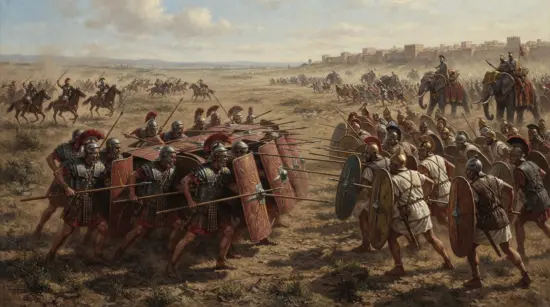
Exploring the Mysteries of Ancient Ruins
Ancient ruins have long been a source of fascination for people around the world. These remnants of bygone civilizations offer a glimpse into the lives of our ancestors, revealing their cultures, traditions, and ways of life. From the majestic pyramids of Egypt to the crumbling temples of Angkor Wat, ancient ruins are a testament to the ingenuity, creativity, and perseverance of human societies. In this article, we will delve into the world of ancient ruins, exploring their history, significance, and the secrets they hold.
The History of Ancient Ruins
Ancient ruins have been a part of human history for thousands of years. The earliest ruins date back to the Neolithic period, around 10,000 years ago, when humans first began to build permanent settlements. As civilizations rose and fell, they left behind a legacy of structures, monuments, and artifacts that have survived the test of time. From the ancient Mesopotamians to the Greeks and Romans, each civilization has contributed to the rich tapestry of ancient ruins that we see today.
One of the most famous ancient ruins is the city of Pompeii, which was destroyed by the eruption of Mount Vesuvius in 79 AD. The city was frozen in time, providing a unique snapshot of life in ancient Rome. The ruins of Pompeii have been extensively excavated, revealing a wealth of information about the daily lives of the people who lived there, including their homes, businesses, and cultural practices.
Types of Ancient Ruins
Ancient ruins come in many different forms, reflecting the diverse cultures and societies that created them. Some of the most common types of ancient ruins include:
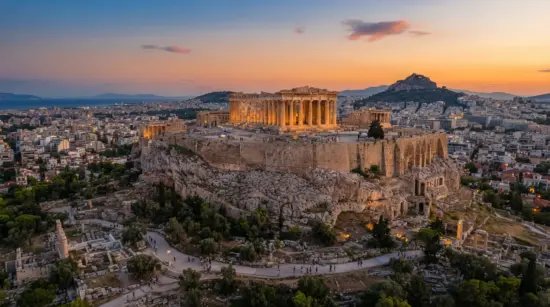
- Temples and shrines, such as the Temple of Angkor Wat in Cambodia or the Parthenon in Greece
- Palaces and castles, such as the Palace of Versailles in France or the Forbidden City in China
- Cities and towns, such as Pompeii in Italy or Machu Picchu in Peru
- Monuments and statues, such as the Sphinx in Egypt or the Moai statues on Easter Island
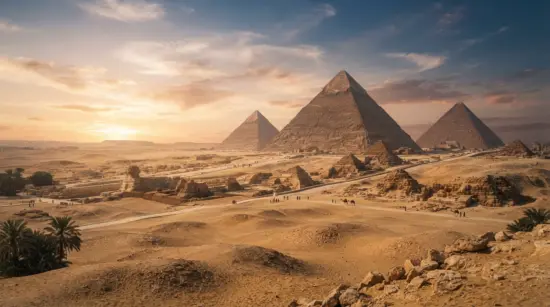
- Tombs and burial sites, such as the Pyramids of Giza in Egypt or the Terracotta Army in China
Each of these types of ancient ruins provides a unique window into the past, offering insights into the beliefs, values, and practices of the people who created them.
The Significance of Ancient Ruins
Ancient ruins are more than just relics of the past; they hold significant cultural, historical, and educational value. They provide a tangible connection to our shared human heritage, allowing us to learn from the successes and failures of previous civilizations. Ancient ruins also serve as a reminder of the transience of human societies, highlighting the importance of preserving our cultural and historical heritage for future generations.
In addition to their cultural and historical significance, ancient ruins also have economic and tourism value. Many ancient ruins have become major tourist attractions, generating revenue and creating jobs for local communities. The preservation and conservation of ancient ruins are essential to ensure their continued survival and to protect them from the threats of looting, vandalism, and environmental degradation.
Preservation and Conservation Efforts
The preservation and conservation of ancient ruins are critical to ensuring their long-term survival. Many organizations, governments, and individuals are working together to protect and preserve these valuable cultural and historical resources. Some of the key preservation and conservation efforts include:
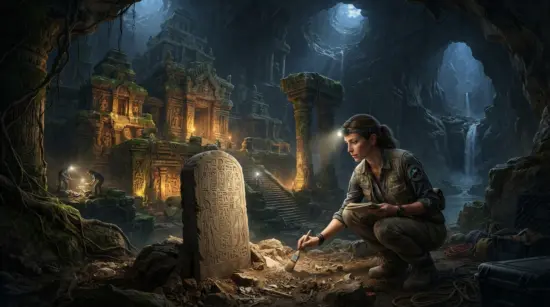
- Excavation and documentation of ancient ruins, to learn more about their history and significance
- Conservation of artifacts and structures, to prevent damage and deterioration
- Protection from looting and vandalism, through security measures and community engagement
- Environmental conservation, to mitigate the impact of climate change, pollution, and other environmental factors
- Education and outreach, to raise awareness about the importance of preserving ancient ruins and to promote cultural heritage tourism
These efforts require a collaborative approach, involving governments, NGOs, local communities, and individuals working together to protect and preserve our shared cultural heritage.
Challenges and Threats
Ancient ruins face many challenges and threats, including:
- Looting and vandalism, which can result in the loss of valuable artifacts and damage to structures
- Environmental degradation, such as climate change, pollution, and natural disasters
- Urbanization and development, which can lead to the destruction of ancient ruins and the displacement of local communities
- Lack of funding and resources, which can limit preservation and conservation efforts
- Conflict and war, which can result in the destruction of ancient ruins and the loss of cultural heritage
These challenges and threats highlight the need for urgent action to protect and preserve ancient ruins, and to ensure their continued survival for future generations.
Conclusion
Ancient ruins are a testament to the ingenuity, creativity, and perseverance of human societies. They provide a unique window into the past, offering insights into the cultures, traditions, and ways of life of our ancestors. However, ancient ruins face many challenges and threats, including looting, environmental degradation, and conflict. It is essential that we work together to protect and preserve these valuable cultural and historical resources, to ensure their continued survival and to promote cultural heritage tourism.
Frequently Asked Questions
What are ancient ruins?
Ancient ruins are the remains of structures, monuments, and artifacts from past civilizations, which have survived the test of time and provide a glimpse into the lives of our ancestors.
Why are ancient ruins important?
Ancient ruins are important because they provide a tangible connection to our shared human heritage, allowing us to learn from the successes and failures of previous civilizations. They also hold significant cultural, historical, and educational value, and can generate revenue and create jobs through tourism.
How can we protect and preserve ancient ruins?
We can protect and preserve ancient ruins by supporting preservation and conservation efforts, such as excavation and documentation, conservation of artifacts and structures, and protection from looting and vandalism. We can also promote cultural heritage tourism, and raise awareness about the importance of preserving ancient ruins.
What are some of the most famous ancient ruins?
Some of the most famous ancient ruins include the Pyramids of Giza in Egypt, the Temple of Angkor Wat in Cambodia, the city of Pompeii in Italy, and the Terracotta Army in China. These ancient ruins are a testament to the ingenuity and creativity of human societies, and provide a unique window into the past.
Can we visit ancient ruins?
Yes, many ancient ruins are open to the public and can be visited. However, it is essential to respect the site and the local community, and to follow any rules or guidelines provided by site managers or tour guides. Visiting ancient ruins can be a powerful and enriching experience, allowing us to connect with our shared human heritage and to learn from the past.