Hidden Antique Display Ideas: Creative Techniques for Showcasing Treasures Without Clutter
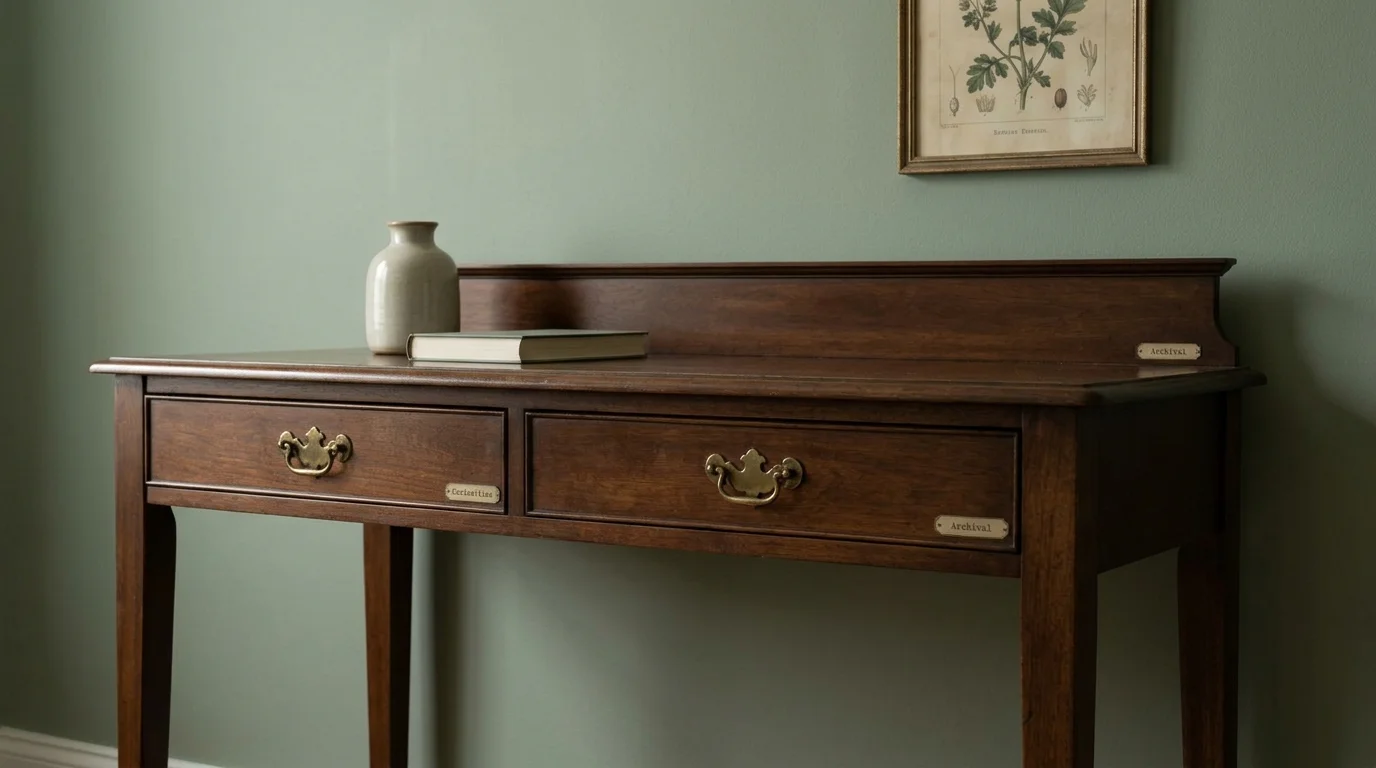
Antiques tell stories that span generations, yet many cherished heirlooms spend their lives hidden away in dark attics or crowded storage boxes. The challenge is not about having too many treasures—it is about not having the right methods to show them off. Hidden antique display ideas transform this dilemma into an opportunity, allowing collectors to protect their valuables while integrating them seamlessly into daily living spaces. This comprehensive guide explores innovative storage-display hybrids, covert presentation techniques, and strategic placement strategies that honor your antiques without overwhelming your home.
1. Understanding the Philosophy of Hidden Display
Traditional display methods often force collectors to choose between preservation and presentation. Glass cabinets protect but feel clinical. Open shelves invite admiration but accumulate dust. Hidden display techniques resolve this tension by creating intentional moments of discovery .
The principle draws from museum conservation and theater design. Objects gain power through context and surprise. A collection that materializes only when lighting conditions change, or a storage piece that serves dual functions, elevates antiques from mere decorations to meaningful components of daily life .
2. Shadow Boxes: Depth That Conceals and Reveals
Shadow boxes represent the most versatile tool for hidden antique display. Unlike standard picture frames, these deep-set frames accommodate three-dimensional objects while protecting them from dust, light, and handling .
Creative Applications for Shadow Boxes
The depth of shadow boxes allows for dimensional storytelling. Consider these approaches:
A shadow box transforms a grandmother’s coat from a storage liability into a stunning wall installation . The key lies in professional mounting techniques that do not damage delicate materials. Conservation-grade methods use gentle supports rather than adhesives or pins that puncture fabrics.
3. Functional Furniture with Secret Display Compartments
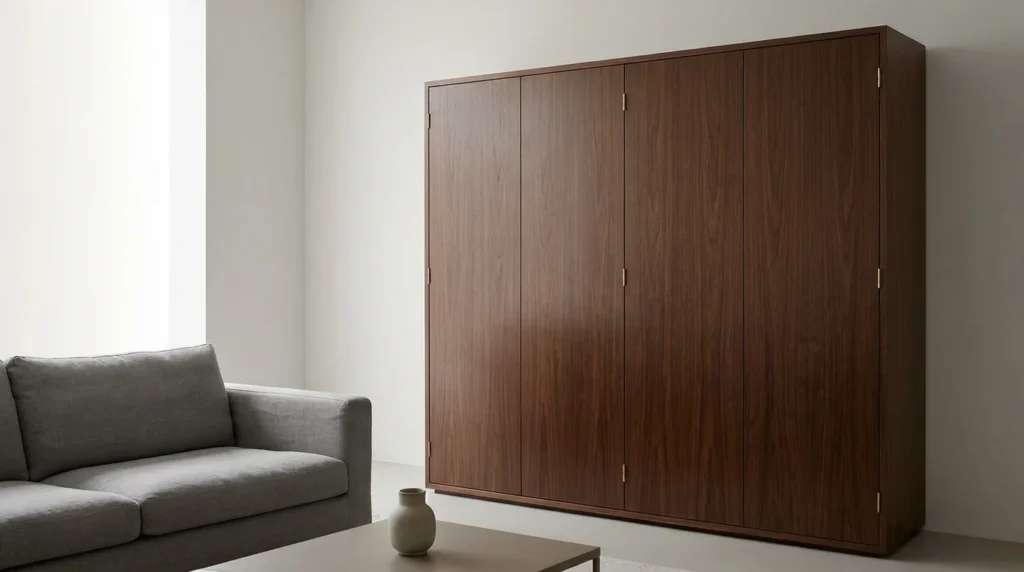
The most effective hidden displays integrate seamlessly into existing furniture. Vintage pieces originally designed for one purpose can be repurposed for concealed antique storage .
Credenzas and Sideboards
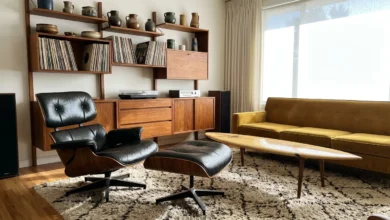
Mid-century credenzas traditionally stored dining room items like plates and tablecloths. Today, these same pieces excel at hiding collections behind closed doors while maintaining clean visual lines. A teak credenza can store vintage textiles, extra ceramic pieces, or seasonal decor items that rotate into view throughout the year .
Library Card Catalogs and Printer Drawers
These specialized vintage organizers offer compartmentalized storage that doubles as display. Original library card catalogs feature dozens of small drawers perfect for categorizing jewelry, small figurines, or stamp collections. The drawers conceal the contents but the piece itself announces that something interesting lives inside .
Letterpress printer drawers, with their grid of tiny compartments, were designed to hold metal type. Mounted on walls, they transform collections of sea glass, buttons, or thimbles into intentional gallery displays .
Trunks and Steamer Chests
A traveling trunk at the foot of a bed serves multiple hidden display functions. The exterior shows worn leather and destination labels—itself a display piece. Inside, it stores spare bedding or out-of-season clothing . Placed on top of a wardrobe, a trunk adds height and visual interest while providing concealed storage .
4. The Secret Gallery: Lighting and Mirrored Glass
For collectors seeking truly hidden displays, two-way mirrored glass technology offers theatrical presentation possibilities. This technique, borrowed from stage design, allows antiques to vanish when not being viewed .
How It Works
Dark display niches fitted with two-way mirrors remain concealed behind panels until lighting activates. When interior lights are off, the mirror reflects the room, hiding the collection completely. When narrow beam spotlights illuminate the objects inside, the glass becomes transparent, revealing treasures that materialize before viewers’ eyes .
This approach works exceptionally well for unusual curiosities, private collections, or valuable pieces that owners prefer not to display continuously. The installation requires professional execution but delivers unmatched drama and security.
5. Vertical Solutions: Walls, Ledges, and Shelves
Walls offer prime real estate for hidden display, especially when using flexible mounting systems that avoid permanent commitment.
Picture Ledges
Unlike fixed shelving, picture ledges allow constant rearrangement without new nail holes. Layer items with taller pieces in back and shorter ones in front. Overlap frames slightly for dynamic compositions . This system works perfectly for rotating collections seasonally or as new acquisitions arrive.
Floating Shelves at Varied Heights
Mount floating shelves at different levels rather than in uniform rows. Place larger items on lower shelves and smaller pieces higher up to maintain visual balance. Leave breathing room between objects so each piece stands out instead of competing for attention .
Vintage Plate Racks
Wall-mounted plate racks display ceramics while freeing cabinet space. They work best with plates of similar size but mixed patterns—a run of blue-and-white transferware, for example, above creamware pieces. Racks suit kitchens and dining rooms equally and can also hold chopping boards, trays, or large platters that never fit anywhere .
6. Trays, Baskets, and Contained Collections
Sometimes hiding antiques means containing them rather than concealing them entirely. Trays and baskets create visual boundaries that prevent collections from reading as clutter.
Decorative Trays
Vintage perfume bottles, small pottery pieces, or antique tins look intentional when grouped on silver trays, wooden boards, or ceramic dishes. The tray creates boundaries that make the collection feel curated. Change the tray contents seasonally or as you acquire new pieces. This works on coffee tables, dressers, bathroom counters, or entry tables .
Wicker Baskets
A generous wicker basket can do the work of a small cupboard, corralling shoes, towels, or laundry that might otherwise multiply across the floor. The best vintage examples have a slightly battered quality—sun-bleached or fraying at the handles. The trick is going large enough that the basket looks like part of the room rather than something waiting to be put away .
Vintage Trugs and Canteens
Sussex trugs, originally made for gathering vegetables, now gather household miscellany—dog leads, keys, garden utensils. The shallow depth keeps everything visible, which is both an advantage and a trap. There is no hiding anything at the bottom, so these work best for items used frequently .
7. Outdoor Hidden Display: Gardens and Patios
Antiques belong outside too. Architectural fragments, stone urns, and garden ornaments bring old-world romance to outdoor spaces when displayed thoughtfully .
Placing Salvaged Pieces
Something that looks like rubble—old cobblestones from a factory or a chipped 19th-century urn—becomes interesting depending on placement and surrounding context. Value is not measured monetarily. Beauty, integrity, texture, and color make pieces worth displaying .
Weather Considerations
Choose materials that withstand outdoor conditions. Teak benches and shutters can stay outside all year. Cement, limestone, and marble pieces have already survived for centuries. Avoid plaster in gardens, as it dissolves quickly .
Garden Display Ideas
8. Rotation and Seasonal Curation
One often overlooked hidden display technique is simply not showing everything at once. Large collections benefit from rotation.
The Rotation Principle
Displaying every antique simultaneously creates visual chaos and prevents individual pieces from being appreciated. Instead, cycle collections seasonally. Store winter items during summer and vice versa. This keeps displays fresh and gives collectors the joy of rediscovering pieces each time they re-emerge .
Storage for Off-Season Pieces
When pieces are not on display, store them properly. Museum putty secures items on shelves against earthquakes, bumps, or pets. The same putty used by museums holds pieces securely yet removes easily without damage .
9. Grouping Strategies for Maximum Impact
How antiques relate to each other affects whether a display reads as intentional or cluttered.
The Odd Number Rule
Psychological research confirms that groupings of three or five pieces are more visually pleasing than even numbers. Apply this to shelf arrangements, wall hangings, and tabletop vignettes .
Color and Height Coordination
Grouping by color or height creates curatorial coherence without requiring identical objects. All amber glass together, or blues ranging from pale aqua to deep cobalt, tells a visual story. Vary heights within vignettes using books as risers or small pedestals .
Breaking Up Large Collections
A vast collection becomes more manageable when divided across different rooms, different floors, or multiple surfaces within the same room. This prevents any single area from feeling overwhelmed while allowing collectors to enjoy pieces throughout their home .
10. Practical Protection: Preservation While Displayed
Hidden display techniques must balance visibility with preservation. Every display method should incorporate protective measures.
UV Protection
Sunlight damages fabrics, fades paper, and deteriorates many materials over time. UV-protective glass on shadow boxes and display cabinets blocks harmful rays while maintaining visibility .
Climate Considerations
Basements, attics, and exterior walls experience temperature and humidity fluctuations. Avoid displaying antiques in these locations unless climate-controlled. Kitchens and bathrooms introduce moisture that damages wood and metals.
Security Through Obscurity
Sometimes the best security is not a lock but obscurity. Two-way mirrored displays or closed cabinets keep valuables out of sight without requiring expensive security systems. Items simply do not attract attention because they are not visible to casual observers .
Conclusion
Hidden antique display ideas transform the collector’s challenge into an art form. Shadow boxes protect while presenting. Functional furniture conceals while organizing. Strategic grouping clarifies while beautifying. The goal is not to hide antiques away but to reveal them on your terms—creating moments of discovery and daily enjoyment without sacrificing living space to clutter. Whether you choose a mirrored gallery, a repurposed card catalog, or a carefully curated tray display, the principles remain the same: respect the objects, protect their condition, and let them tell their stories when the moment is right.
Frequently Asked Questions (FAQs)
Q1: How do I display antiques without making my home look like a museum?
Avoid clinical uniformity. Mix antiques with modern pieces. Use hidden display methods like closed cabinets and shadow boxes rather than open shelving throughout. Rotate collections seasonally so only curated pieces show at any time. The key is intentional grouping rather than scattered placement .
Q2: What is the best way to secure valuable antiques on open shelves?
Museum putty, also known as quake hold gel, secures items against bumps and vibrations. It is invisible, removable, and reusable. Apply small amounts to the bottom of figurines, vases, and other breakable pieces. This allows confident display without permanent adhesives or damage .
Q3: Can I display vintage textiles without damaging them?
Yes, but proper methods matter. Shadow boxes with UV-protective glass and conservation-grade mounting techniques protect fabrics. Never use adhesives or pins that puncture fabric. For larger pieces like quilts, frame between two sheets of UV glass for a floating effect that shows both sides .
Q4: How do I choose which antiques to display and which to store?
Display pieces with the strongest visual interest, best condition, or greatest personal meaning. Store duplicates, damaged pieces awaiting repair, and seasonal items. Rotate stored pieces into display periodically to keep arrangements fresh. No room benefits from every antique being visible simultaneously .
Q5: What vintage items work best as hidden storage solutions?
Library card catalogs, printer drawers, wooden crates, metal tins, trunks, credenzas, and tool boxes all excel at concealed storage. These pieces were designed for organization and transition seamlessly to home use. Look for items with compartments, drawers, or enclosed cabinets .
Q6: How can I display antiques in a small home without sacrificing space?
Use vertical wall space with shadow boxes and picture ledges. Choose furniture that serves dual functions—a trunk as coffee table with storage inside, a credenza as TV stand with antique display behind doors. Rotate collections rather than displaying everything at once. Small spaces benefit from hidden display methods that keep surfaces clear .