The Ultimate Guide to Hidden Value Collector Objects: How to Spot Undervalued Treasures
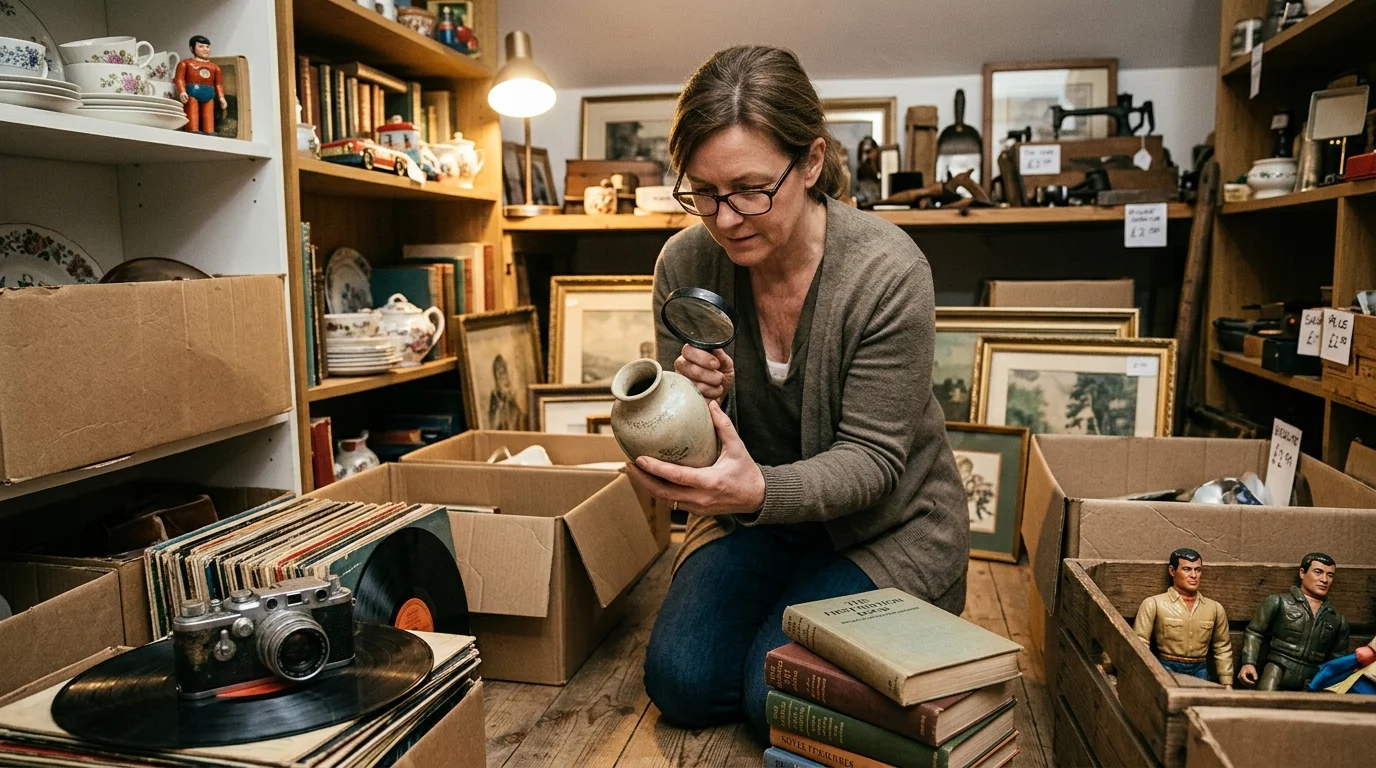
In the world of collecting, the most valuable items are often not the obvious statement pieces displayed prominently in antique shop windows. Rather, they are the overlooked, underappreciated, and sometimes downright quirky objects that hide in plain sight—tucked away in dusty boxes, buried in estate sale drawers, or dismissed as mere household clutter. Understanding these hidden value collector objects can transform casual bargain hunting into a profitable pursuit. This comprehensive guide reveals the categories, identification strategies, and valuation principles that separate treasure from trash.
Understanding the Concept of Hidden Value in Collectibles
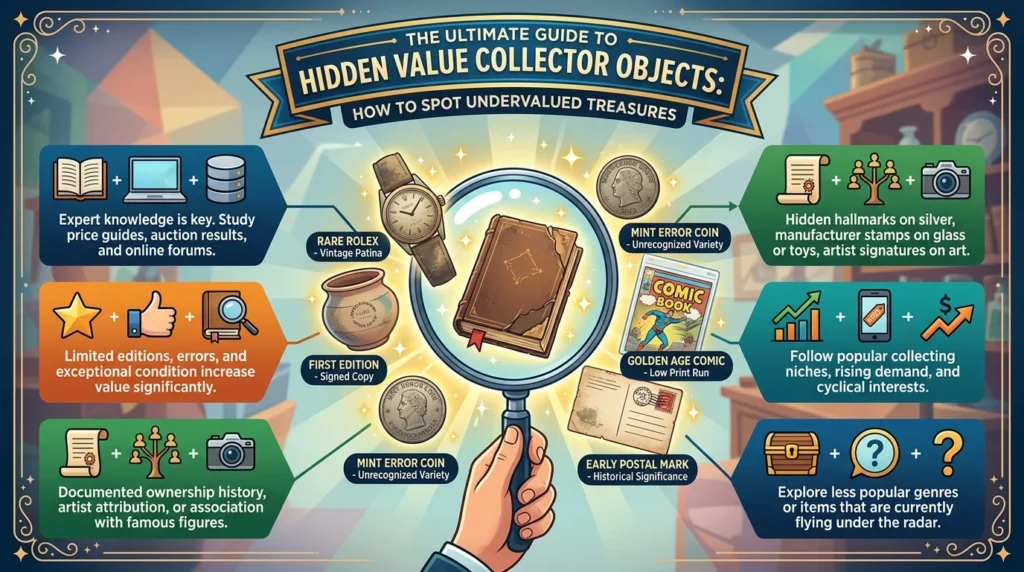
Hidden value refers to the significant gap between an object’s perceived worth and its actual market value among knowledgeable collectors. This discrepancy arises from several factors. Many sellers lack specialized knowledge about niche collecting categories, pricing items based on surface appearance rather than rarity or historical significance. Other times, valuable objects are physically hidden within mixed lots or unsorted boxes, overlooked by buyers who lack patience or curiosity. Additionally, current decorating trends can temporarily depress prices for certain categories, creating buying opportunities before styles cycle back into favor.
The key principle for uncovering hidden value is recognizing that collector demand often follows unexpected paths. An object’s value derives not from its intrinsic beauty or utility but from the intersection of scarcity, condition, provenance, and the passionate interest of a specific collector base. This means a seemingly modest silver swizzle stick shaped like a golf club may be worth more than a large, ornate silver platter because cocktail collectors actively seek the former while the latter faces abundant competition.
Major Categories of Overlooked Valuable Collectibles
Novelty Silver and Small Metal Objects
Small, unusual silver items represent one of the most consistently undervalued categories in the antiques market. Television antiques expert Jonathan Pratt of Dawsons Auctioneers emphasizes that novelty silver pieces often command prices far exceeding their raw material value because they appeal to niche collector communities. A hallmarked silver swizzle stick from the early 20th century might sell for significantly more than its silver weight suggests because it attracts both cocktail memorabilia collectors and silver enthusiasts simultaneously.
The key identifiers for valuable novelty silver include clear hallmarks indicating the maker and purity, unusual or whimsical designs that diverge from standard forms, and specialized functions that appeal to specific collecting niches. Small silver figurines, engraved serving spoons, and novelty tableware all fall into this category. When examining silver objects, always check for maker’s marks and assess condition carefully, as dents and repairs dramatically reduce value regardless of rarity.
Ephemera: Paper Items with Historical Significance
Ephemera—paper items originally intended for temporary use such as letters, postcards, documents, and posters—represents perhaps the most dramatically undervalued category in the collectibles market. These items are frequently found in bargain boxes or mixed lots because sellers lack the specialized knowledge to recognize their worth. Pratt describes purchasing an 18th-century letter for just one pound and subsequently selling it for twenty-eight pounds, demonstrating how knowledge creates opportunity.
Several types of ephemera command particular interest from collectors. Historical documents with notable signatures, unusual postal markings, or connections to significant events can be highly valuable. Vintage posters with strong graphic design, film or travel themes, or works by recognized artists appreciate significantly—Pratt transformed a 1930s Hermès ski poster purchased for 180 pounds into 2,100 pounds after professional backing. Stock certificates from defunct companies, particularly railroads and early technology firms, have become highly collectible due to their intricate engravings and historical relevance.
Vintage Textiles and Linens
Textiles often languish in estate sales, folded in corners or tucked away in closets where buyers fail to examine them thoroughly. This oversight creates opportunities for knowledgeable collectors. Hand-stitched quilts, vintage linens, and embroidered textiles feature craftsmanship that is increasingly rare and valuable. The hand embroidery, scalloped edges, and old-world cotton feel of quality vintage linens cannot be replicated by modern manufacturing processes.
The value of vintage textiles depends on several factors. Handmade pieces with intricate stitching command premium prices compared to machine-made items. Condition is paramount—stains, tears, and significant fading dramatically reduce value. Unusual shapes or whimsical designs often attract stronger collector interest; Pratt cites purchasing a 1930s plush velvet tea cosy shaped like a chicken for twenty-five pounds that later sold for two hundred fifty pounds. Needlepoint and petit point textiles displaying time-intensive work are gaining particular attention as collectors seek warmth and character in interior spaces.
Flatware, China, and Serving Pieces
Dining accessories represent a category where significant value frequently goes unrecognized. Silver flatware, particularly single pieces rather than complete sets, often sells for minimal prices at estate sales because sellers prioritize complete place settings. However, specialized pieces such as iced tea spoons, shell sugar spoons, and master butter knives can hold substantial value for collectors seeking to complete partial sets. A George I silver spoon has been priced between 2,500and3,800 at Sotheby’s, while a Paul Revere Jr. spoon once sold for over $30,000.
China and crystal similarly offer hidden value opportunities. While grand dining sets may command attention, individual serving pieces and unusual forms are often overlooked. Toast racks from the late 1800s, designed to keep buttered toast from becoming soggy, can command more than $550 each depending on age, design, and silver content. Tea sets are experiencing renewed interest as collectors embrace intentional entertaining and slow living practices. Nineteenth-century ironstone and transferware, currently viewed as “everyday” rather than “special,” remains accessible in price despite its versatility and collectibility.
Small Mechanical and Analog Devices
In an increasingly digital world, analog devices are experiencing a renaissance among collectors who value tactility, craftsmanship, and the slowing of time. Perpetual calendars, patented as automatic wristwatch mechanisms by Patek Philippe in 1889, found popularity as desktop accessories in the early 1900s and are now seeing a resurgence. Edwardian wooden turn-knob styles can cost up to 1,000,whilemidcenturybrasspiecesrangefrom50 to $200.
Sewing birds, patented in 1853, served as “third hands” for home seamstresses. These small clamps attached to tables and used spring-loaded beaks to hold fabric. Grooms-to-be often gifted ornate versions to their betrothed as she prepared her trousseau. Today, these functional antiques run 75to200 apiece. Phonographs represent another analog category with growth potential, as playing old records on antique machines offers a memorable, mindful experience that digital formats cannot replicate.
Valuation Factors That Determine Hidden Worth
The Role of Collector Niches
Understanding collector psychology is essential for recognizing hidden value. An object’s worth often derives from the existence of an “obscure but active collector base” rather than any intrinsic quality. This explains why a Bosun Bill rum jug from 1950s Australia sold for 500despitecontainingnorum—collectorsofQueenslandmemorabiliaactivelycompeteforthesepieces[citation:10].Similarly,fishinglicensebadgesfromtheearly1900s,particularlythosefromSouthernstates,canbeworthupwardof500 each due to the focused interest of regional collectors.
The practical implication is that collectors must develop specialized knowledge in specific categories. Generalists miss opportunities that specialists recognize instantly. Researching niche markets, joining collector forums, and studying completed auction results builds the expertise needed to spot undervalued items before competitors.
Condition and Completeness
Condition dramatically affects value across all categories. For most collectibles, original condition with appropriate patina is preferable to restored or over-cleaned pieces. However, certain condition issues are more acceptable in some categories than others. Vintage textiles can tolerate minor discoloration that would devastate the value of paper ephemera. Small mechanical devices should ideally be in working condition or easily repairable.
Completeness matters enormously. Original boxes, certificates, and packaging can double or triple market value for many collectibles, particularly vintage jewelry and small mechanical items. For board games and toys, having all original pieces is essential—even a single missing component can reduce value by seventy-five percent or more.
Provenance and Documentation
Documented ownership history adds significant value to almost any collectible. Items with clear provenance connecting them to notable owners, exhibitions, or historical events command premiums that identical pieces without documentation cannot achieve. For signed items, certificates of authenticity from reputable sources are valuable but should be scrutinized carefully, as documentation can be forged or transferred from authentic pieces to fakes.
Practical Hunting Strategies
Where to Search
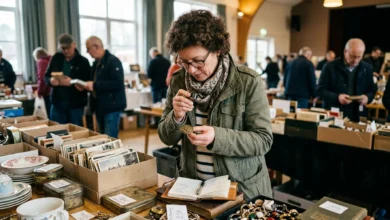
The most productive hunting grounds for hidden value objects are precisely where most buyers do not look. Estate sales offer particular opportunities because professional shoppers often focus on obvious statement pieces, leaving drawers, closets, and boxes unexplored. Bookshelves deserve special attention, as estate sale companies rarely highlight books beyond a few photographs, yet valuable first editions and out-of-print volumes frequently hide among ordinary titles.
Antique fairs and flea markets reward patient, thorough browsing. Mixed boxes from house clearances often contain valuable items hidden among everyday household effects. Storage unit auctions present another frontier, as resellers focus on visible items while missing smaller valuables tucked inside drawers or boxes.
Charity shops and thrift stores occasionally yield spectacular finds, though increasing price awareness among staff makes these discoveries less common than in previous decades. The key is frequency and consistency—regular visits increase the probability of being present when valuable donations arrive.
What to Examine
Develop systematic examination habits. Always check boxes of letters, postcards, and old documents rather than dismissing them as junk. Examine the undersides and backs of furniture for maker’s marks or labels. Open drawers to check for hidden compartments or forgotten items. Test the weight of metal objects—unexpected heaviness may indicate solid silver rather than plated construction.
Pay attention to signs of quality that sellers might overlook. Hand-stitching on textiles, dovetail joints on furniture, and crisp hallmarks on metal all indicate superior craftsmanship that correlates with collector interest. Original packaging should never be dismissed—even empty boxes for desirable products can be worth significant amounts to collectors seeking complete presentations.
Investment Potential and Market Trends
Current Undervalued Categories
Several categories currently offer attractive entry points for collectors willing to look beyond mainstream markets. Decorative brass candlesticks, trays, and wall pieces add warmth and contrast to interiors but remain reasonably priced due to market abundance. Oil paintings by unknown or lesser-known artists are undervalued because buyers focus on recognizable names, yet quality and visual impact determine true decorative and investment value.
Wood furniture with visible age and patina, particularly pine, oak, and primitive pieces, is becoming more desirable as collectors move away from overly polished interiors, yet many pieces remain accessibly priced. Miniatures, including diminutive ceramic figures and antique perfume bottles, previously considered a niche collectible genre, are gaining broader acceptance. Longaberger baskets from the 1990s, currently nostalgic rather than valuable, may appreciate as multi-generational collecting interest develops.
Price Comparison Table
| Category | Typical Price Range | Potential High Value | Key Value Drivers |
|---|---|---|---|
| Novelty Silver Items | 20−200 | $500+ | Unusual design, clear hallmarks, niche collector appeal |
| Fishing License Badges | 20−100 | $500+ | Southern states origin, pre-1940s, enamel condition |
| Perpetual Calendars | 50−1,000 | $1,000+ | Edwardian wooden examples, working mechanism |
| Sewing Birds | 75−200 | $200+ | Ornate design, clear patent marks, functional spring |
| Vintage Posters | 50−500 | $2,000+ | Strong graphic design, film/travel themes, linen backing |
| First Edition Novels | 50−500 | $6,000+ | Original dust jacket, correct issue points, Stephen King titles |
| Vintage Pyrex | 20−100 | $500+ | Complete nesting sets, rare patterns, pre-1990s manufacture |
| Antique Maps | 100−500 | $10,000+ | Pre-1800 printing, famous cartographer, hand coloring |
Market Outlook
The collectibles market is increasingly driven by generational shifts in taste. As younger collectors enter the market, they bring different preferences than previous generations. Analog devices, 1990s nostalgia items, and sustainable handmade goods are gaining traction. Items that combine historical interest with practical functionality—such as decorative brass that can serve as candlesticks or trays—may appreciate faster than purely decorative objects.
However, investors should recognize that collectibles markets are illiquid and subject to fashion shifts. Unlike stocks or bonds, collectibles cannot be sold instantly at transparent prices. Transaction costs including auction commissions, insurance, and storage erode returns. The most successful collectors typically combine passion with investment discipline, focusing on categories they genuinely enjoy rather than purely on potential appreciation.
Frequently Asked Questions
Q: What are the most overlooked categories for valuable collectibles?
A: Ephemera (letters, documents, posters), vintage textiles, novelty silver, flatware singles, small mechanical devices like perpetual calendars and sewing birds, and architectural fragments are consistently undervalued because sellers lack specialized knowledge or buyers focus on larger, more obvious pieces.
Q: How can I tell if a silver item is valuable beyond its melt value?
A: Check for clear hallmarks indicating maker and purity, examine the design for unusual or whimsical elements that might attract niche collectors, research the maker’s reputation, and assess condition carefully. Novelty silver with specialized functions often commands premiums far exceeding silver weight.
Q: Where are the best places to find hidden value antiques?
A: Estate sale drawers and closets, antique fair mixed boxes, storage unit auctions, charity shops, and bookshelves at any sale. The common thread is searching where other buyers do not—digging through unsorted lots and examining overlooked areas.
Q: Why do some small antiques sell for more than larger ones?
A: Rarity and collector demand determine value, not size. A rare fishing license badge from a specific state may have only a few surviving examples, while large furniture pieces exist in abundance. Niche collector bases compete intensely for the few available pieces, driving prices upward.
Q: What condition issues should I accept versus reject?
A: Accept appropriate patina, minor wear consistent with age, and professionally stabilized issues. Reject active corrosion, missing major components, over-cleaning that removes original surface, significant damage to decorated areas, and any condition problem that cannot be stabilized or reversed by a professional conservator.
Q: How important is original packaging for collectible value?
A: Original boxes, certificates, and packaging can double or triple market value for many categories including vintage jewelry, toys, electronics, and limited edition items. Even empty boxes for desirable products have value to collectors seeking complete presentations.
Q: What is the most important skill for spotting undervalued collectibles?
A: Specialized knowledge in specific categories. Generalists cannot compete with specialists who recognize value instantly. Choose one or two categories that genuinely interest you, research thoroughly, handle as many examples as possible, and build expertise over time.