Rare Object Collector Builds: From Storage to Showcase
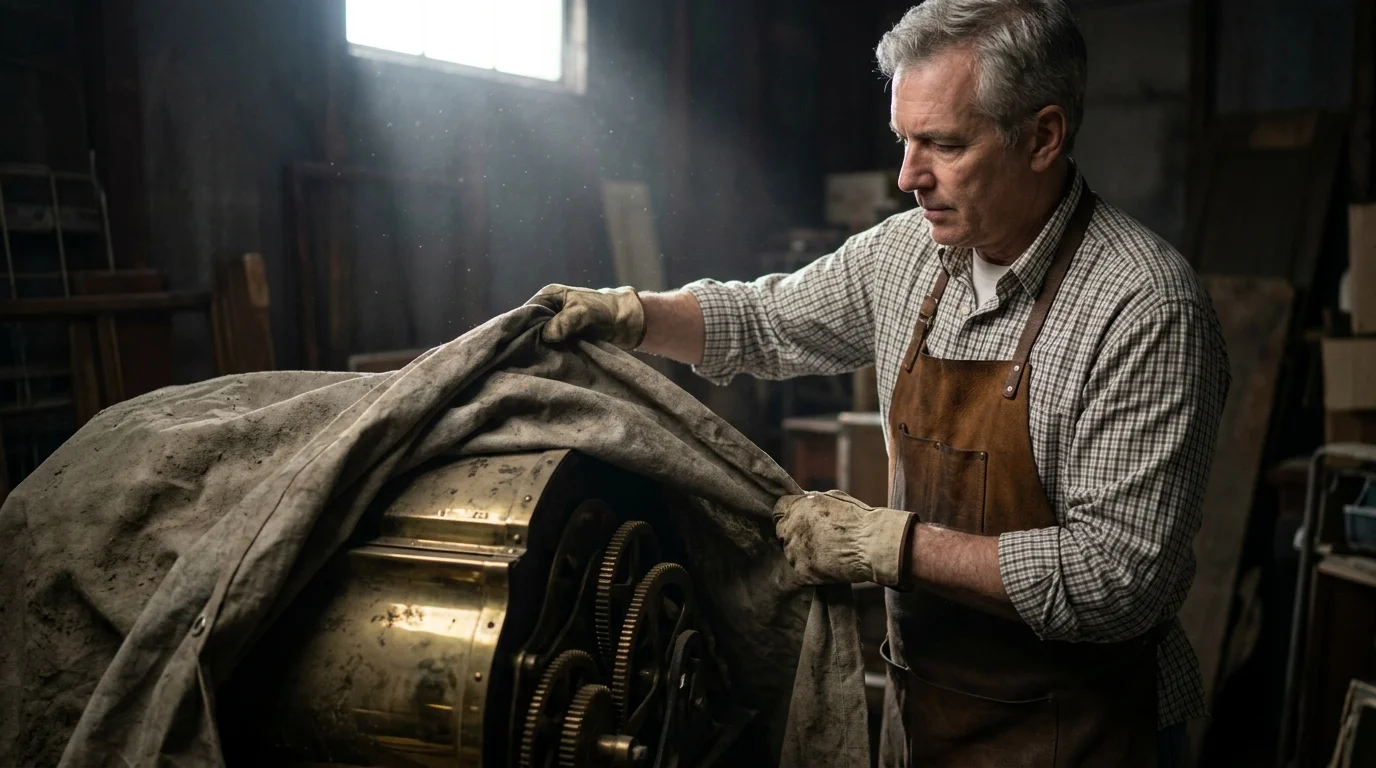
Building a rare object collection is not about accumulating objects. It is about constructing a narrative, a legacy, and a system that preserves history while potentially generating significant financial returns. A rare object collector build refers to the strategic process of acquiring, authenticating, storing, insuring, displaying, and eventually passing on a curated group of scarce artifacts. Whether you focus on ancient coins, vintage timepieces, antique furniture, or archaeological relics, the principles of a professional collector build remain consistent. This guide provides a comprehensive blueprint for constructing a collection that survives generations.
Table of Contents
| Section | Topic |
|---|---|
| 1 | Defining Your Collector Build Strategy |
| 2 | The Acquisition Framework |
| 3 | Authentication and Provenance Integration |
| 4 | Storage and Environmental Control Systems |
| 5 | Display Methodologies for Rare Objects |
| 6 | Insurance, Documentation, and Exit Planning |
| 7 | Frequently Asked Questions |
1. Defining Your Collector Build Strategy
A collector build begins with a strategic question: what story will your collection tell? The most valuable collections are not random assortments of valuable items. They are coherent narratives where each object reinforces the meaning and value of the others.
Thematic vs. Chronological Builds
Thematic collections focus on a specific subject, material, or artistic movement. A thematic build of maritime chronometers, for example, tells the story of navigation technology across two centuries. Each piece gains value from its relationship to the others.
Chronological collections trace the evolution of a particular object type. A chronological build of pocket watches from 1700 to 1950 demonstrates technological and stylistic development. The gaps between pieces can be as informative as the pieces themselves.
Depth vs. Breadth Decisions
Depth means acquiring multiple examples of a narrow category, such as coins from a single Roman emperor. Breadth means acquiring single examples across a wide category, such as one coin from each Roman emperor. Neither approach is inherently superior, but your choice determines acquisition priorities, storage needs, and research requirements.
Budget Architecture
Professional collectors build backwards from a long-term budget rather than buying opportunistically. Allocate percentages across five categories:
| Budget Category | Recommended Percentage |
|---|---|
| Acquisitions | 60-70 percent |
| Authentication and Documentation | 10-15 percent |
| Storage and Display | 10-15 percent |
| Insurance | 5 percent |
| Conservation and Maintenance | 5-10 percent |
2. The Acquisition Framework
Acquisition is the most visible phase of a collector build, but successful acquisition depends on systems established before the first purchase.
Primary vs. Secondary Markets
Primary market acquisitions come directly from discoverers, artists, or manufacturers. These objects typically have complete provenance and lower risk of forgery, but prices reflect these advantages.
Secondary market acquisitions come from auctions, dealers, or other collectors. These objects may offer better value but require more sophisticated authentication. The secondary market is where most collector builds acquire their core pieces.
Building Dealer Relationships
A single trustworthy dealer is more valuable than a hundred auction catalogues. Professional collectors cultivate relationships with three types of dealers:
Specialist dealers focus on one narrow category and possess deep knowledge. They are expensive but provide authentication and documentation as part of the purchase.
Generalist antique dealers offer access to undervalued objects in overlooked categories. They require more buyer expertise but offer better prices.
Network dealers do not hold inventory but connect buyers with private sellers. They charge finder fees but access objects never publicly listed.
Auction Strategy
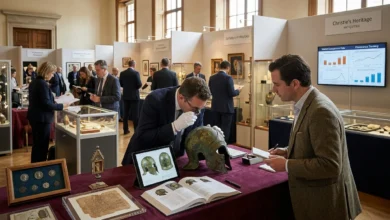
Auction houses offer transparency and competition but carry buyer premiums typically ranging from 15 to 25 percent. Successful auction acquisition requires:
Pre-sale viewing to examine objects in person
Condition report analysis to identify undisclosed damage
Bid planning with maximum limits determined before the auction
Proxy bidding arrangements when unable to attend in person
Private Sale Negotiation
Private sales offer lower prices and no buyer premiums but require stronger authentication skills. Negotiation leverage increases when buyers demonstrate knowledge, pay quickly, and return for future purchases.
3. Authentication and Provenance Integration
Every object in a serious collector build must pass authentication screening before joining the collection. This screening becomes the collection’s foundational documentation.
The Authentication Hierarchy
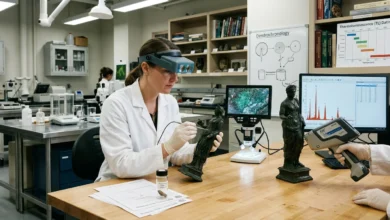
Tier One authentication comes from scientific analysis using X-ray fluorescence spectrometry, Fourier-transform infrared spectroscopy, or radiocarbon dating where appropriate. This tier is expensive but definitive.
Tier Two authentication comes from expert opinion by recognized specialists in the specific object category. Written opinions on letterhead carry weight in insurance and resale contexts.
Tier Three authentication comes from comparative analysis against reference collections and published catalogs. This tier is the minimum acceptable for any acquisition.
Provenance Documentation
Provenance is the documented chain of ownership from creation or discovery to present. A complete provenance includes:
Dates of each ownership transfer
Names or entities involved in each transfer
Sale records including auction house and lot numbers
Exhibition history showing where the object was displayed
Publication history showing where the object was illustrated or discussed
Gaps in provenance require compensating evidence. An object with missing ownership history but strong scientific authentication may still be collectible. An object with missing provenance and no scientific authentication should be avoided.
Digital Provenance Systems
Blockchain-based provenance registries are emerging for high-value collectibles. These systems create tamper-evident records of ownership transfers. While not yet standard, collectors building for the long term should consider registering significant acquisitions on established digital provenance platforms.
4. Storage and Environmental Control Systems
Proper storage distinguishes professional collector builds from amateur accumulations. Environmental damage is irreversible and often invisible until advanced.
Temperature and Humidity Specifications
Different material classes require different environmental parameters:
| Material Class | Temperature | Relative Humidity |
|---|---|---|
| Metals | 18-21 C | 35-45 percent |
| Textiles and Paper | 18-21 C | 45-55 percent |
| Wood and Furniture | 18-22 C | 45-55 percent |
| Ivory and Bone | 18-20 C | 45-55 percent |
| Photographic Materials | 10-15 C | 30-40 percent |
Fluctuations cause more damage than stable non-ideal conditions. A storage environment maintaining 22 degrees and 50 percent humidity year-round is superior to an environment cycling between 18 and 24 degrees with humidity swings.
Security Systems for Rare Objects
Insurance companies require specific security measures for high-value collections. Minimum requirements typically include:
Monitored burglar alarm with cellular backup
Security-grade locks on all access points
Hidden safe or bolted-down safe for most valuable pieces
Inventory with photographs stored off-site
Video surveillance covering access points
Collections valued above certain thresholds may require professional security audits and graded security systems equivalent to commercial premises.
Handling Protocols
Every handling event risks damage. Professional collectors establish handling protocols including:
Cotton or nitrile gloves for all object contact
Padded work surfaces
Two-hand carrying for any object weighing over two kilograms
No food, drink, or smoking in storage areas
No pens near objects (pencil only for documentation)
5. Display Methodologies for Rare Objects
Display transforms storage into collection. However, display introduces light damage, handling risks, and security vulnerabilities. Professional collectors balance access against preservation.
Rotational Display Systems
The simplest preservation strategy is limiting display time. A rotational system keeps most objects in climate-controlled storage while rotating a subset into display cases. Each object displays for three to six months then returns to storage for a comparable rest period.
This approach reduces light exposure, dust accumulation, and handling frequency. It also keeps the collection fresh for repeated viewing by the same audience.
Display Case Specifications
Professional display cases for rare objects require:
UV-filtered glass or acrylic blocking 99 percent of ultraviolet light
Sealed construction preventing dust infiltration
Locking mechanisms for security
Acid-free mounting materials
Silica gel or active humidity control for sensitive materials
The case itself should not contact the object. Mounts, cradles, and supports made from archival materials provide separation while securing objects against movement.
Lighting Parameters
Light damage is cumulative and irreversible. Maximum light levels for sensitive materials:
| Material | Maximum Lux | Maximum Annual Exposure |
|---|---|---|
| Textiles and dyes | 50 lux | 50,000 lux-hours |
| Paper and prints | 50 lux | 50,000 lux-hours |
| Paintings | 200 lux | 600,000 lux-hours |
| Metals and ceramics | 300 lux | No limit |
LED lighting with motion sensors reduces exposure by illuminating cases only when viewers approach.
6. Insurance, Documentation, and Exit Planning
A collector build is incomplete without systems for protection and eventual transition.
Insurance Valuation Approaches
Three valuation methods apply to rare object insurance:
Replacement value is the cost to find and purchase an identical or comparable object at current market prices. This is the standard for most policies.
Agreed value is a fixed amount specified in the policy, used for unique objects without comparable market data.
Market value fluctuates with market conditions and is rarely used for insurance except in very large collections.
Documentation Systems
Professional collections maintain documentation including:
Digital image archive with high-resolution photographs from multiple angles
Condition reports updated after each handling or display period
Purchase records and provenance documentation
Authentication certificates and expert opinions
Conservation records documenting all treatments
This documentation should exist in three locations: a primary copy at the collection location, a secondary copy at a different physical location, and a cloud-based backup.
Exit Planning
Every collection eventually disperses. Exit planning includes:
Tax-efficient donation strategies for charitable giving
Auction and private sale transition plans
Heir education about collection value and documentation
Conservation trust funds to support future maintenance
Collectors who build exit plans into their initial strategy leave legacies rather than burdens.
7. Frequently Asked Questions
Q1: How much money do I need to start a serious collector build?
The minimum viable budget depends on category. Coin and medal collections can start with a few hundred dollars. Antique furniture and fine art require thousands. A serious collector build focuses on strategy and knowledge, not spending level. Many significant collections began with modest single purchases.
Q2: Should I specialize in one narrow category or collect broadly?
Specialization builds deeper expertise and better dealer relationships, leading to better acquisitions. Broad collecting offers more opportunities but requires maintaining expertise across multiple fields. Most successful collectors specialize in one or two related categories.
Q3: How do I find trustworthy authentication experts?
Professional organizations maintain directories of accredited appraisers and authenticators. For most categories, the relevant organization is the International Society of Appraisers or the American Society of Appraisers. For archaeological materials, the Archaeological Institute of America provides resources.
Q4: What is the single biggest mistake new collectors make?
Buying without authentication. New collectors frequently purchase objects based on appearance and seller claims without independent verification. Professional collectors never complete a significant acquisition without authentication documentation.
Q5: How do I store a collection without a dedicated room?
Museum-quality storage containers are available for home use. Acid-free boxes, padded trays, and inert plastic enclosures protect objects in closets or under beds. The key requirements remain environmental stability, security, and handling protocols regardless of physical footprint.
Q6: Is it better to display everything or store most objects?
Storage is preservation. Display is access. Professional collectors display a rotating subset while keeping the majority in stable storage. This preserves the collection while maintaining enjoyment.
Q7: How often should a collection be reappraised for insurance?
Every three to five years, or immediately after significant acquisitions or market shifts. Insurance values should reflect current replacement costs, not original purchase prices.
Q8: Can I build a collection as an investment rather than for enjoyment?
Investment-only collecting rarely succeeds. Markets change, liquidity is poor, and transaction costs are high. The most successful collector builds combine genuine passion with financial discipline. Enjoyment sustains the effort required for professional collecting.
Q9: How do I handle inheriting an existing collection?
Do not sell or donate anything immediately. First, inventory and photograph everything. Second, seek professional appraisal of the entire collection. Third, educate yourself about the categories you have inherited. Fourth, decide which pieces fit your interests and which should be sold or donated. Professional guidance throughout this process is essential.
Q10: What is the future of rare object collecting?
Digital authentication and provenance systems will reduce forgery risk. Climate change concerns may increase storage costs as energy-intensive environmental control becomes more expensive. Younger collectors may prioritize digital collectibles, potentially reducing competition for physical objects and creating opportunities for informed buyers.